Digital health solutions must adapt to elderly needs, South Korean study shows
A recent investigative endeavour originating from South Korea sheds light on the nuanced relationship between the elderly population and their engagement with digital healthcare solutions. This intricate study, a collaborative effort spearheaded by esteemed institutions and corporations such as Seoul National University, Yonsei University, aged care specialist Silvia Health, and digital therapeutics pioneer WELT Corp., embarks on an exploration to dissect the utilisation patterns and satisfaction levels derived from healthcare applications and wearable health devices among older Koreans.
The research team embarked on a pioneering journey to delineate the disparities in digital health technology adoption between seniors who are either pre-frail, frail, or healthy. This distinctive approach has positioned them as frontrunners in analysing how frailty influences digital health technology use within this demographic.
Garnering support through a grant from the Korea Disease Control and Prevention Agency, the findings of this pivotal study have been meticulously documented in the esteemed Journal of Korean Medical Science.
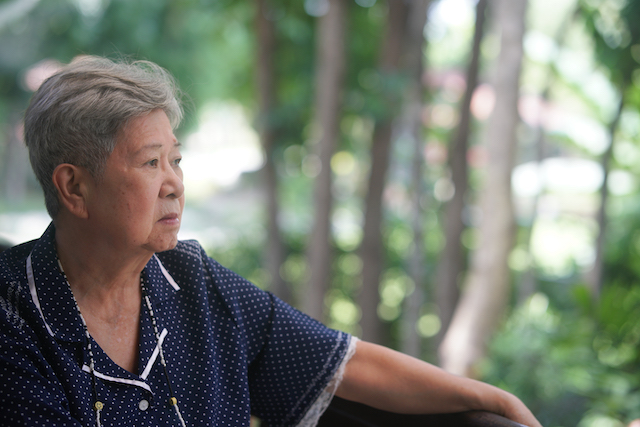
Engaging with a cohort of 505 participants, all aged 65 and above, the study reveals that 30% of these individuals are categorised as frail by Korean healthcare standards, with the remainder classified as healthy. A noteworthy revelation from this survey is the digital literacy gap among the respondents: whilst all participants are smartphone users, a significant 63% admit to facing challenges in managing mobile applications independently.
The investigation unveils that merely a quarter of the surveyed group actively utilises healthcare applications, with a higher propensity observed among the healthy elderly. For the frail segment, these digital tools serve primarily as conduits for accessing healthcare information and procuring medical advice, significantly enhancing their self-care capabilities and the management of personal health data.
Conversely, the adoption of wearable health devices remains markedly low, with just 36 out of the 500+ respondents integrating such technologies into their daily lives. These devices, ranging from smartwatches to patch-type gadgets, are predominantly utilised for monitoring physical activity. It emerges that healthy individuals appreciate the convenience offered by wearable devices more than their frail counterparts, who, however, value these devices for their potential to aid in making critical healthcare decisions, such as the timing of hospital visits.
South Korea stands at the cusp of a demographic shift, with senior citizens currently constituting nearly 20% of its population, a figure anticipated to escalate sharply in the coming decades. This evolving demographic landscape underscores the urgency for tailored digital health solutions that cater specifically to the elderly’s unique needs.
The study’s findings highlight a discernible disparity in the use of digital health tools between frail and healthy seniors, advocating for the development of technologies that are not only accessible but also specifically designed to address the distinct requirements of this age group.
The researchers articulate a compelling argument for a more nuanced approach to digital health technology, stressing the importance of understanding the elderly’s specific needs and expectations. They advocate for the integration of customised services into digital devices, particularly those that cater to the frequently used services by pre-frail and frail older adults.
In a country renowned for its high smartphone penetration rates, South Korea is uniquely positioned to leverage mobile health technologies to enhance the health outcomes of its ageing population. A previous study in 2022 highlighted the potential of these technologies to mitigate the impact of social determinants on health, emphasising, however, that they cannot supplant the traditional care settings.
This groundbreaking study not only illuminates the current landscape of digital health technology usage among the elderly in South Korea but also charts a path forward for the development of more inclusive and effective digital health solutions, ensuring that the ageing population remains connected, informed, and empowered in managing their health.