AI detects unseen diabetes risk in people with normal blood sugar levels
Key Takeaways:
- A large-scale, multimodal study found that many individuals with ‘normal’ glucose test results still experience harmful glucose spikes, revealing hidden diabetes risk.
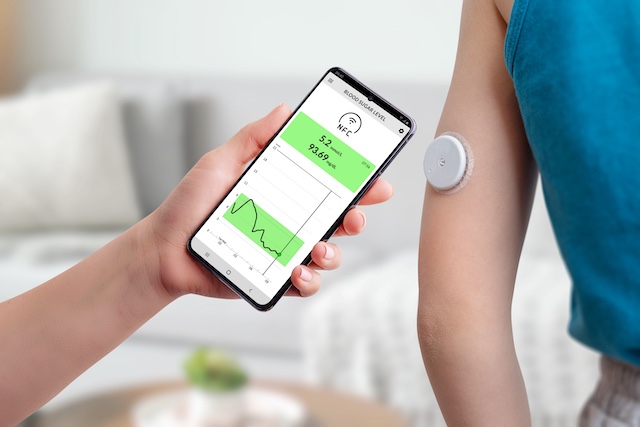
- Using continuous glucose monitoring (CGM) and machine learning, researchers developed a personalised glycaemic risk model that outperformed standard tools such as HbA1c.
- The model revealed wide risk variability among people with prediabetes and highlighted the influence of microbiome diversity, diet, and lifestyle on glucose regulation.
Rethinking Glucose Testing in Diabetes and Prediabetes
A new study published in Nature Medicine has shown that current diagnostic methods for type 2 diabetes (T2D) and prediabetes may be missing key signals. Researchers analysed detailed health data from over 2,400 individuals, identifying significant differences in glucose spike patterns between those with normoglycaemia, prediabetes, and T2D — even when standard test results appeared normal.
The study’s central innovation is a multimodal risk model that integrates diverse data sources to build personalised glycaemic risk profiles. These profiles may help identify individuals with prediabetes who are at greater risk of progressing to T2D, offering a more precise and inclusive alternative to existing tools such as fasting glucose and glycated haemoglobin (HbA1c).
A Complex Picture of Blood Sugar Regulation
Despite being widely used, HbA1c and fasting glucose do not fully capture the complexity of glucose regulation. Blood glucose fluctuations can be influenced by numerous factors — including diet, genetics, sleep, stress, gut microbiome composition, physical activity, and age. Of particular concern are postprandial glucose spikes, defined as increases of at least 30 mg/dL within 90 minutes of eating, which have been documented in people who otherwise appear healthy.
“Many people have these hidden spikes in blood sugar that are not captured by the standard diagnostics,” said Eran Segal, senior author of the study and a computational biologist at the Weizmann Institute of Science in Israel.
The PROGRESS Study: A Multimodal Approach to Glycaemic Risk
To investigate glycaemic variability more comprehensively, the researchers conducted the PROGRESS study — a fully remote, U.S.-based digital clinical trial. A total of 1,137 participants were enrolled, 48.1% of whom identified as being from groups historically underrepresented in biomedical research. Participants spanned the full glycaemic spectrum from normoglycaemia to type 2 diabetes.
In addition to wearing continuous glucose monitors (CGMs) for 10 days, participants provided blood, stool, and saliva samples from home, submitted electronic health records, and logged food intake and lifestyle habits via mobile apps. The team excluded individuals with conditions likely to skew results, such as recent antibiotic use, pregnancy, or type 1 diabetes.
CGM data were processed into one-minute intervals, and six key glycaemic metrics were calculated:
- Average glucose
- Time spent in hyperglycaemia
- Spike frequency
- Spike duration
- Nocturnal hypoglycaemia
- Spike resolution time
Complementary data included heart rate, sleep patterns, diet, physical activity, genomic profiles (including polygenic risk scores), and gut microbiome diversity.
Building and Testing a Machine Learning Model
Using this rich dataset, the researchers developed a machine learning model that combined data on demographics, anthropometrics, diet, microbiome, and CGM output. The goal was to predict glycaemic status and identify hidden risks.
To validate the model, they applied it to a second dataset — the Israeli Health and Prevention Project (HPP) — a longitudinal observational study of over 1,300 individuals. The model achieved high accuracy in distinguishing normoglycaemia from T2D and, importantly, revealed substantial variability in risk levels among people with prediabetes, even when HbA1c values were identical.
What the Data Revealed
Of the 1,137 individuals enrolled in the PROGRESS study, 347 were included in the final analysis:
- 174 with normoglycaemia
- 79 with prediabetes
- 94 with T2D
Key findings included:
- Glucose spike metrics differed significantly across groups, especially between T2D and the others.
- Prediabetic individuals more closely resembled normoglycaemic individuals than those with T2D in terms of spike frequency and intensity.
- Gut microbiome diversity was inversely associated with glucose spikes — suggesting that a more diverse microbiome supports healthier glucose control.
- Higher body mass index (BMI), resting heart rate, and HbA1c were linked to worse glycaemic outcomes.
- Physical activity was associated with more stable glucose levels, while higher carbohydrate intake led to faster spike resolution but also more frequent and intense spikes.
Implications for Diabetes Prevention
This study offers several key insights:
- Standard diagnostic tools may miss important warning signs, particularly among people with prediabetes.
- Personalised, multimodal risk profiling can detect hidden glucose dysregulation and guide early interventions.
- The model’s success in a diverse, decentralised cohort also highlights the potential of remote, real-world clinical research to advance precision medicine.
“We see people with the same HbA1c level but very different glucose dynamics,” said Segal. “By using continuous glucose monitoring and other personalised data, we can find those at greater risk earlier.”
Limitations and Future Directions
While the study design and analysis were robust, several limitations must be acknowledged:
- CGM performance can vary by device.
- Self-reported data, such as food logs, may introduce errors.
- Some participants were using antihyperglycaemic medications, which could influence results.
Further research is needed to validate findings in broader populations and assess the long-term predictive value of these glycaemic risk profiles.
Towards More Precise and Inclusive Diabetes Care
The study underscores the importance of moving beyond a one-size-fits-all approach in diabetes diagnostics. By integrating CGM data with lifestyle, genetic, and microbiome information, healthcare professionals may one day tailor prevention strategies to individuals — catching hidden risk earlier and supporting more effective interventions.
“This is not just about identifying risk,” said Segal. “It is about offering people more accurate and personalised care.”