Remote patient monitoring and mobile health powering the digital health revolution
Digital healthcare is undergoing a profound transformation, largely propelled by the adoption of remote patient monitoring and mobile health (mHealth), according to a new report. The 2024 edition of GlobalData’s Digital Health report highlights a seismic shift from traditional pen-and-paper practices to a fully digitised healthcare system—a transition accelerated by the Covid-19 pandemic.
“Digital methods of care were introduced rapidly to accommodate for the number of patients and the need to social distance,” the report notes. “Since then, digital health methods have advanced and continue to, changing how patients receive care.”
The report underscores that digital health innovations not only improve healthcare delivery but also have the potential to reduce inefficiencies, increase accessibility, lower costs, enhance quality, and personalise care. It predicts that technologies such as artificial intelligence (AI), machine learning, and big data will continue to drive advancements in digital health, particularly in areas like remote patient monitoring and mobile health.
Remote Patient Monitoring: Enhancing Care While Reducing Costs
One of the most transformational trends, remote patient monitoring, enables the continuous collection and transmission of health data through wireless, often wearable devices. This approach allows individuals to remain at home while healthcare professionals receive real-time updates on their health.
“Remote patient monitoring devices were one of the fastest-growing and most in-demand industries in 2020 and 2021,” the report states. “They have demonstrated their potential to improve patient care, reduce readmissions, and facilitate early discharge.”
This technology not only enhances efficiency by minimising the need for in-person follow-ups but also empowers individuals to better understand and manage their health conditions. For example, patients with chronic diseases can benefit from early intervention based on data trends, reducing the likelihood of hospitalisation and enabling tailored care plans.
Mobile Health (mHealth): From Wellness to Professional Healthcare Applications
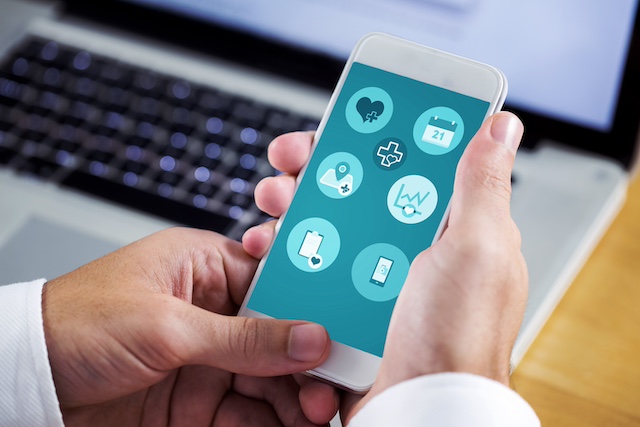
The role of mHealth has similarly expanded, encompassing everything from consumer wellness apps to tools used by healthcare professionals. The Covid-19 pandemic further accelerated the adoption of mHealth applications, which now include functionalities like health tracking, appointment scheduling, disease monitoring, and treatment facilitation.
“Similar to remote patient monitoring devices, mHealth apps and electronic medical record systems have been adopted quite quickly, in part due to the Covid-19 pandemic,” the report explains. “While the use of mHealth apps has increased quickly in recent years, they have been around for quite a while, especially health and wellness mHealth apps (calorie counters, fitness trackers, sleep trackers, etc.).”
Today, mHealth apps cater to both consumers and clinicians, with increasing adoption of apps that support disease management, symptom tracking, and even diagnostic testing. This dual utility reflects the growing role of mHealth in bridging gaps between patients and healthcare systems, enhancing both accessibility and engagement.
The Future of Digital Healthcare
Looking ahead, the report anticipates that advancements in AI and machine learning will further refine the capabilities of digital health technologies. These innovations are expected to enable predictive analytics, optimise treatment plans, and improve user experiences for both patients and healthcare professionals.
“Digital health will continue to transform healthcare by leveraging technologies like remote patient monitoring, mobile health, big data and more,” the report concludes. “Digital health will also continue to evolve through artificial intelligence and machine learning advancements that will enhance the various components of digital health devices.”