[email protected]

+44 (0)20 3773 4895

logologologo
  • About Us
    • The College
    • Advisory Board
    • Our Faculty and Team
    • Intelligence Hub
  • Topic Areas
    • Obesity Care
    • Digital Health
    • Behaviour Change
  • Courses
    • CPD Short Courses
    • PGCert in Obesity Care
    • PGCert in Digital Health
  • Apply
    • Postgraduate Qualification in Obesity Care
    • Postgraduate Qualification in Digital Health
    • FAQs
  • Resources
    • News
    • Our Publications
    • Monthly News Bulletins
    • Funding Options
  • Contact Us
    • Contact Us
  • Student Login

No products in the cart.

logologologo
  • About Us
    • The College
    • Advisory Board
    • Our Faculty and Team
    • Intelligence Hub
  • Topic Areas
    • Obesity Care
    • Digital Health
    • Behaviour Change
  • Courses
    • CPD Short Courses
    • PGCert in Obesity Care
    • PGCert in Digital Health
  • Apply
    • Postgraduate Qualification in Obesity Care
    • Postgraduate Qualification in Digital Health
    • FAQs
  • Resources
    • News
    • Our Publications
    • Monthly News Bulletins
    • Funding Options
  • Contact Us
    • Contact Us
  • Student Login

No products in the cart.

  • About Us
    • The College
    • Advisory Board
    • Our Faculty and Team
    • Intelligence Hub
  • Topic Areas
    • Obesity Care
    • Digital Health
    • Behaviour Change
  • Courses
    • CPD Short Courses
    • PGCert in Obesity Care
    • PGCert in Digital Health
  • Apply
    • Postgraduate Qualification in Obesity Care
    • Postgraduate Qualification in Digital Health
    • FAQs
  • Resources
    • News
    • Our Publications
    • Monthly News Bulletins
    • Funding Options
  • Contact Us
    • Contact Us
  • Student Login
July 18, 2018 by Nigel Hinchliffe Global Health & Policy 0 comments

The Socio-economic Impact of Bariatric Surgery

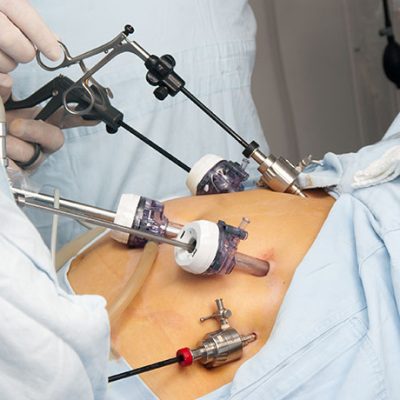
This study, published in Obesity Surgery, aimed to generate real-world evidence of the socio-economic impact of bariatric surgery through evaluation of both its indirect and direct costs. Most studies focus on the direct healthcare costs only. However, this study used data collected over a period of 7 years from national registries, social transfer payments and income data, for surgically treated individuals, and compared them to that of a non-surgically treated individual, 3 years before and after surgery. The non-surgical group was defined as being eligible for bariatric surgery but not undertaking it.

The study found that there was a marginal increase in health-care costs in patients who underwent surgery, primarily because of the increased usage of in-patient services. It also found that there was a significant decrease in the costs of drugs, particularly anti-diabetic medication. Furthermore the study found that there a was notable positive effect of the surgery on social transfer payments; the costs of unemployment benefits were reduced and there were significantly higher social security payments.

Although this study was not able to identify net savings, it does not mean that bariatric surgery should be considered ineffective. The increase in health care-costs, mainly due to to complications and adverse effects of the surgery, should be weighted against the positive clinical effects that the patient will receive, namely reductions in prevalence of T2D and circulatory disease and medication to treat these, as well as considerable and sustained weight-loss which will enhance their quality of life and can also lead to a small decrease in total social transfer payments. Increased hospital care is a small price to pay for the sizeable benefits to the individual and society in the medium to long-term.


 

PREV
NEXT

Related Posts

Woman standing at pedestrian crossing in the UK.
May 7, 2024
Obesity linked to lower productivity in the UK, think-tank reports
Read More
August 3, 2015
Call for Child Obesity Act
Read More
Population health and obesity
March 7, 2023
More than half of the world will have overweight or obesity by 2035 – report
Read More
Close up of Ozempic pens - now on the WHO List of Essential Medicines 2025
September 8, 2025
WHO expands essential medicines list to include GLP-1 agonists and Cystic Fibrosis therapies
Read More

CCH LINKS

FAQ
HOW TO APPLY
ACADEMIC ADVISORY BOARD
FACULTY AND STAFF
TERMS & CONDITIONS
CCH EDUCATION SERVICES

OUR PARTNERS

NOF
Haringey Obesity Alliance
Skills Active
CPD UK
ASO
REPS
Southwark
DIT
Healthcare Uk
OAC

ABOUT CCH

CONTACT US
[email protected]
+44 (0)20 3773 4895
Technopark, 90 London Road, LONDON, SE1 6LN
 

© The College of Contemporary Health