WHO expands essential medicines list to include GLP-1 agonists and Cystic Fibrosis therapies
Key Takeaways:
- The World Health Organization (WHO) has added GLP-1 receptor agonists, rapid-acting insulin analogues, and innovative cancer therapies to its 2025 Essential Medicines Lists (EMLs), signalling their importance in global diabetes and oncology care.
- Advocates welcomed the inclusion of GLP-1 agonists and insulin analogues but warned that current prices remain prohibitive, particularly in low-resource settings, where these medicines are often unavailable.
- The updated lists also include new treatments for cystic fibrosis and haemophilia, and vaccines for malaria and mpox, while controversy surrounds the continued exclusion of risdiplam, a therapy for spinal muscular atrophy.
WHO expands access through 2025 Essential Medicines Lists
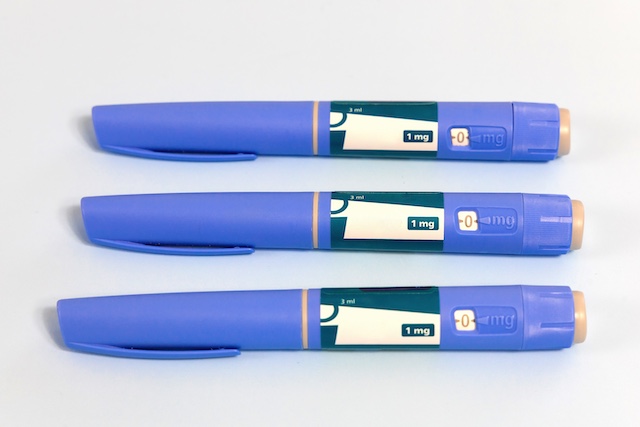
The World Health Organization (WHO) has published its 2025 Essential Medicines Lists (EMLs), marking a significant step in the recognition of medicines that address pressing global health needs. Among the 20 new medicines recommended this year are GLP-1 receptor agonists – such as semaglutide, the active ingredient in Ozempic and Wegovy – which are increasingly used in the management of type 2 diabetes worldwide.
The updated lists also incorporate immune checkpoint inhibitors, including pembrolizumab and two therapeutic alternatives, reflecting advances in cancer treatment. WHO emphasised that the inclusion of these therapies highlights the importance of both non-communicable and infectious disease management at a global scale.
Diabetes treatments strengthened with insulin and GLP-1 agonists
For the first time, rapid-acting insulin analogues have been included on the EML, complementing long-acting synthetic insulin formulations that were added in 2021. This provides a complete package of insulin options recommended by WHO.
“These are complementary; there [are] those conditions where it’s more appropriate to use long-acting but also we need [to] have conditions where we need short acting,” explained Deus Mubangizi of WHO at a press briefing.
GLP-1 receptor agonists were recommended not primarily for weight management but for their proven role in lowering blood glucose in adults with type 2 diabetes mellitus who also have established cardiovascular disease, chronic kidney disease, or obesity (body mass index ≥ 30 kg/m²).
The medications mimic the natural GLP-1 hormone to regulate blood sugar. They stimulate pancreatic insulin release, reduce hepatic glucose production, slow digestion, and act on the brain to suppress appetite. In addition to glycaemic control, they offer cardiovascular and renal benefits.
Cancer therapies chosen based on long-term evidence
WHO also endorsed pembrolizumab and comparable therapies for metastatic cervical, colorectal, and lung cancers. These medicines have been shown to prolong survival by four to six months.
“The expert committee had a preference for those results in which we had long-term follow up data and we are sure about the effect on overall survival and quality of life,” explained Lorenzo Moja of WHO. He noted that trials for some newer breast cancer drugs remain ongoing, with evidence not yet mature enough to warrant inclusion.
Essential Medicines List for children expanded
The separate Essential Medicines List for children (EMLc) also grew, with 15 new additions. These include therapies for cystic fibrosis and haemophilia, as well as vaccines recently approved for malaria and mpox.
WHO simultaneously announced the end of its declaration of mpox as a Public Health Emergency of International Concern (PHEIC), stating that case numbers in Africa – the region most affected – had stabilised.
The 2025 EML now covers 563 medicines on the adult list and 361 treatments on the children’s list. Both lists are updated every two years and guide over 150 countries, insurers, and healthcare providers in the procurement and provision of essential therapies.
Access advocates highlight affordability concerns
The inclusion of new insulins and GLP-1 agonists was welcomed by Médecins Sans Frontières (MSF). Elizabeth Jarman, representing MSF’s ACCESS initiative, called the decision a “critical milestone” but warned that affordability remains a major barrier.
“In our experience of providing diabetes care in low-resource settings and humanitarian emergencies, rapid-acting insulins and GLP-1s are unaffordable and often unavailable,” said Jarman. “Current prices are unacceptably high, with rapid-acting insulin analogues priced as much as 75 times and GLP-1 agonists 400 times higher than what they can be profitably produced for, according to a recent MSF study.
“We call on countries to take urgent steps to update their national EMLs, begin procurement planning, and – alongside the WHO – demand pharmaceutical corporations make these key diabetes treatments available in-country by immediately registering them and – critically – making them affordable.”
Exclusion of risdiplam sparks criticism
Not all decisions were met with approval. Knowledge Ecology International (KEI) criticised the EML committee for again rejecting risdiplam, a therapy for spinal muscular atrophy (SMA).
“The second rejection of risdiplam is appalling,” said Jamie Love, director of KEI. “This is exactly the type of drug for a rare disease the EML should embrace. It works and it’s easy and cheap to make and distribute generic versions. The consequences of no access are terrible for many children.”
The committee’s rejection was reportedly due to a lack of peer-reviewed data from ongoing trials in pre-symptomatic infants. However, a study published in August in the New England Journal of Medicine demonstrated high rates of developmental milestones – such as sitting and walking – in treated infants compared with untreated counterparts.
Breakthrough for Cystic Fibrosis patients
For people with cystic fibrosis (CF), the inclusion of ivacaftor and its therapeutic alternatives represents a major advance. The combination therapy elexacaftor/tezacaftor/ivacaftor (ETI), marketed as Trikafta or Kaftrio, was added to both adult and paediatric lists.
“This decision is a turning point,” stated the patient advocacy group Right to Breathe. “For the first time, a medicine specifically aimed at treating CF has been included on the EML and the world’s leading health authority has recognised that Trikafta is not a luxury drug, but an essential medicine – and that every child and adult living with CF should have the right to access it.”
The group added: “This is a powerful statement from the WHO: not only is Trikafta recognised as essential, but its inclusion is about breaking down barriers to access and ensuring patients everywhere – not just in the richest countries – can benefit from its lifesaving impact.”
Balancing innovation, cost, and health system strengthening
David Reddy, Director-General of the International Federation of Pharmaceutical Manufacturers and Associations, said that the inclusion of multiple advanced therapies “highlights how scientific advances are transforming how we prevent, treat and cure disease, and reinforces the importance of ensuring patients everywhere can benefit from them.”
However, WHO’s expert group has sometimes withheld recommendations for expensive new treatments due to affordability concerns. Reddy emphasised that solutions such as “tiered pricing, voluntary licensing and value-based healthcare models” can improve access.
He also underlined the importance of robust healthcare systems: “Healthcare systems need to be strengthened with the right infrastructure, diagnostics and trained professionals in place, alongside effective regulatory pathways and sustainable procurement, to help ensure these innovations can achieve greatest impact for patients.”
CCH Insight:
The inclusion of GLP-1RAs in the Essential Medicines List (EML) signals global recognition of these medications as critical therapies for serious chronic conditions, in stark contrast to the ongoing trend that positions them as optional add-ons or a quick-fixes for cosmetic weight loss.
Hopefully this will increase prescribing of GLP-1 medicines, at least for type 2 diabetes. Although the cost of these drugs continues to be a barrier for many less well-off people, patents start to end from next year – the patent for liraglutide ends in Europe in 2026, as does the patent for semaglutide (Ozempic/Wegovy) in Canada and India. So cheaper generic versions should start to become available soon, improving access to these very important medications.