[email protected]

+44 (0)20 3773 4895

logologologo
  • About Us
    • The College
    • Advisory Board
    • Our Faculty and Team
    • Intelligence Hub
  • Topic Areas
    • Obesity Care
    • Digital Health
    • Behaviour Change
  • Courses
    • CPD Short Courses
    • PGCert in Obesity Care
    • PGCert in Digital Health
  • Apply
    • Postgraduate Qualification in Obesity Care
    • Postgraduate Qualification in Digital Health
    • FAQs
  • Resources
    • News
    • Our Publications
    • Monthly News Bulletins
    • Funding Options
  • Contact Us
    • Contact Us
  • Student Login

No products in the cart.

logologologo
  • About Us
    • The College
    • Advisory Board
    • Our Faculty and Team
    • Intelligence Hub
  • Topic Areas
    • Obesity Care
    • Digital Health
    • Behaviour Change
  • Courses
    • CPD Short Courses
    • PGCert in Obesity Care
    • PGCert in Digital Health
  • Apply
    • Postgraduate Qualification in Obesity Care
    • Postgraduate Qualification in Digital Health
    • FAQs
  • Resources
    • News
    • Our Publications
    • Monthly News Bulletins
    • Funding Options
  • Contact Us
    • Contact Us
  • Student Login

No products in the cart.

  • About Us
    • The College
    • Advisory Board
    • Our Faculty and Team
    • Intelligence Hub
  • Topic Areas
    • Obesity Care
    • Digital Health
    • Behaviour Change
  • Courses
    • CPD Short Courses
    • PGCert in Obesity Care
    • PGCert in Digital Health
  • Apply
    • Postgraduate Qualification in Obesity Care
    • Postgraduate Qualification in Digital Health
    • FAQs
  • Resources
    • News
    • Our Publications
    • Monthly News Bulletins
    • Funding Options
  • Contact Us
    • Contact Us
  • Student Login
September 2, 2015 by Nigel Hinchliffe GLP-1RAs & Medications 0 comments

Antibiotics encourage obesity

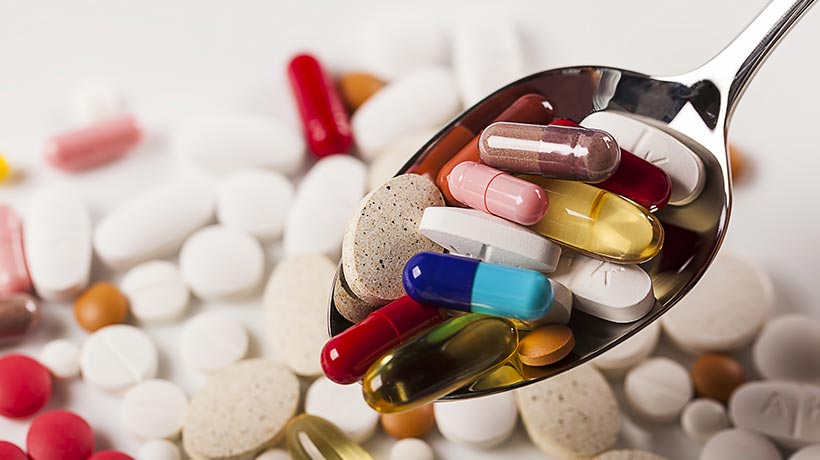
Continued use of antibiotics in children can lead to obesity, changes in bone growth and altered gut bacteria, according to a new study in Nature Communications. The team stated that, in the USA, 262 million courses of antibiotics were prescribed to outpatients, that’s 842 per 1000 people a year, with use at its highest in children under 10. Estimates suggest children may have had 10 courses by this age. Antibiotics are well known to impact on microbial function, but little study has been done into how they affect host health during critical developmental stages.

The researchers mimicked childhood antibiotic use by using mice as their models. They found that early life pulsed antibiotic treatment (PAT) leads to short term increases in mouse weight and bone growth, whilst also leading to long-term changes in composition of gut bacteria. These changes included altering the species of the bacteria present and therefore the metabolic functions as well. Furthermore, they found that the bacteria in the antibiotic treated mice took much longer to adapt to new diets than those without antibiotics. The team remain cautious regarding the implication for humans though.

Read more.

PREV
NEXT

Related Posts

Person wearing gloves holding a bottle of pills.
April 28, 2025
Diabetes drug metformin reduces knee pain in people with overweight or obesity clinical trial shows
Read More
Portrait of a schoolgirl in front of a blackboard.
September 11, 2024
Obesity medication liraglutide proven safe and effective in children under 12, research claims
Read More
Medical science lab and technician
July 5, 2023
Boehringer Ingelheim joins the obesity drug race, unveiling promising results
Read More
European flags in front of the Berlaymont building, headquarters of the European commission in Brussels.
April 16, 2024
European regulators find no evidence of link between new obesity medication and suicidal thoughts
Read More

CCH LINKS

FAQ
HOW TO APPLY
ACADEMIC ADVISORY BOARD
FACULTY AND STAFF
TERMS & CONDITIONS
CCH EDUCATION SERVICES

OUR PARTNERS

NOF
Haringey Obesity Alliance
Skills Active
CPD UK
ASO
REPS
Southwark
DIT
Healthcare Uk
OAC

ABOUT CCH

CONTACT US
[email protected]
+44 (0)20 3773 4895
Technopark, 90 London Road, LONDON, SE1 6LN
 

© The College of Contemporary Health