GLP-1 drugs found to boost testosterone in men with obesity or diabetes
Key Takeaways:
- Anti-obesity medications significantly raised testosterone levels in men with obesity or type 2 diabetes.
- After 18 months of treatment, the percentage of men with normal testosterone levels increased from 53% to 77%.
- These medications may now be considered as part of broader reproductive health strategies for men with obesity or diabetes.
Introduction: A Link Between Obesity, Diabetes and Low Testosterone
Men living with obesity or type 2 diabetes frequently experience reduced testosterone levels, a condition associated with symptoms such as fatigue, diminished libido, and lower quality of life. A new study presented at ENDO 2025, the annual meeting of the Endocrine Society held in San Francisco, provides compelling evidence that anti-obesity medications may offer an effective intervention.
“While it is well known that weight loss from lifestyle changes or bariatric surgery increases testosterone levels, the impact that anti-obesity medications may also have on these levels has not been widely studied,” said Dr Shellsea Portillo Canales, endocrinology fellow at SSM Health St. Louis University Hospital. “Our study is among the first to provide compelling evidence that low testosterone can be reversed with the use of commonly prescribed anti-obesity medications.”
Study Design and Participant Profile
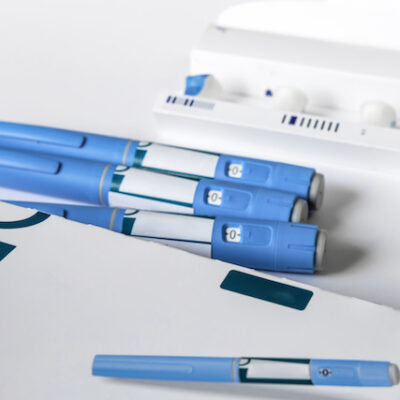
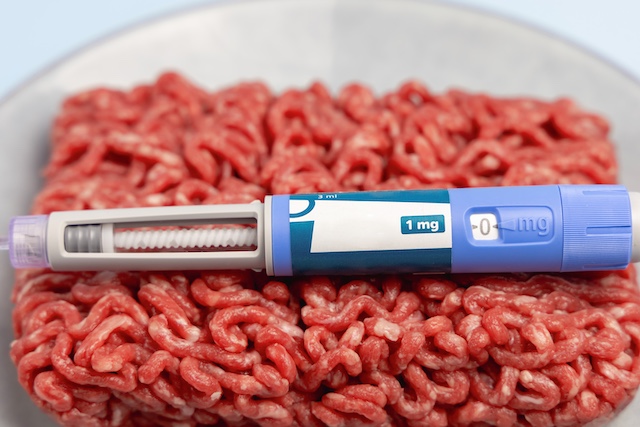
The research team conducted a retrospective analysis using electronic health records of 110 adult men diagnosed with obesity or type 2 diabetes. All participants were undergoing treatment with one of three commonly prescribed anti-obesity medications: semaglutide, dulaglutide or tirzepatide. Importantly, none of the men were receiving testosterone or other hormonal therapy at the time of the study.
Researchers measured both total and free testosterone levels before and during treatment, over an 18-month observation period.
Findings: Weight Loss and Hormonal Restoration
Over the course of treatment, participants achieved an average weight reduction of 10%. This weight loss was accompanied by a marked improvement in testosterone levels: the proportion of men with normal total and free testosterone levels rose from 53% at baseline to 77% at follow-up.
These outcomes suggest a dual benefit of anti-obesity medications – not only aiding in weight reduction and glycaemic control, but also potentially restoring reproductive hormone balance.
“Results from this study show that there is a direct correlation between the use of anti-obesity medications and testosterone levels,” said Portillo Canales. “Doctors and their patients can now consider this class of medications not only for the treatment of obesity and to control blood sugar, but also to benefit men’s reproductive health.”
Implications for Clinical Practice
The study underscores the broader systemic benefits of GLP-1-based therapies and other anti-obesity agents, particularly in populations at high risk of endocrine dysfunction. By contributing to weight loss and improving metabolic health, these treatments may also serve as valuable tools in addressing hypogonadism in men affected by obesity or type 2 diabetes.
While further research is warranted to confirm causality and examine long-term effects, these findings support a more holistic view of obesity pharmacotherapy — one that encompasses not only cardiometabolic outcomes but also hormonal and reproductive health.