
[email protected]

+44 (0)20 3773 4895

logologologo
  • About Us
    • The College
    • Advisory Board
    • Our Faculty and Team
    • Intelligence Hub
  • Topic Areas
    • Obesity Care
    • Digital Health
    • Behaviour Change
  • Courses
    • CPD Short Courses
    • PGCert in Obesity Care
    • PGCert in Digital Health
  • Apply
    • Postgraduate Qualification in Obesity Care
    • Postgraduate Qualification in Digital Health
    • FAQs
  • Resources
    • News
    • Our Publications
    • Monthly News Bulletins
    • Funding Options
  • Contact Us
    • Contact Us
  • Student Login

No products in the cart.

logologologo
  • About Us
    • The College
    • Advisory Board
    • Our Faculty and Team
    • Intelligence Hub
  • Topic Areas
    • Obesity Care
    • Digital Health
    • Behaviour Change
  • Courses
    • CPD Short Courses
    • PGCert in Obesity Care
    • PGCert in Digital Health
  • Apply
    • Postgraduate Qualification in Obesity Care
    • Postgraduate Qualification in Digital Health
    • FAQs
  • Resources
    • News
    • Our Publications
    • Monthly News Bulletins
    • Funding Options
  • Contact Us
    • Contact Us
  • Student Login

No products in the cart.

  • About Us
    • The College
    • Advisory Board
    • Our Faculty and Team
    • Intelligence Hub
  • Topic Areas
    • Obesity Care
    • Digital Health
    • Behaviour Change
  • Courses
    • CPD Short Courses
    • PGCert in Obesity Care
    • PGCert in Digital Health
  • Apply
    • Postgraduate Qualification in Obesity Care
    • Postgraduate Qualification in Digital Health
    • FAQs
  • Resources
    • News
    • Our Publications
    • Monthly News Bulletins
    • Funding Options
  • Contact Us
    • Contact Us
  • Student Login
August 2, 2017 by Nigel Hinchliffe GLP-1RAs & Medications 0 comments

New combination of drugs cause enhanced weight loss

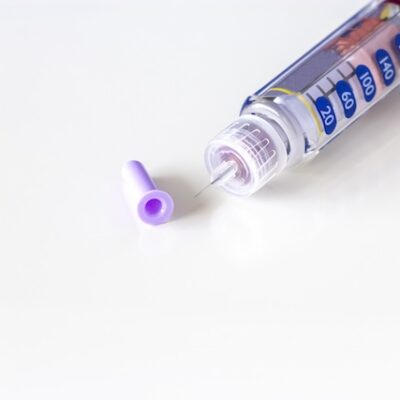
Researchers at the University of Pennsylvania have found that a unique combination of weight loss drugs can have a dramatic effect on laboratory animals. The researchers studied the effect of two different drug classes that affect the hormones amylin and glucagon-like peptide-1 (GLP-1). They found that cycling between the two drug regimens over the course of a month achieved a greater degree of weight loss than normal regimens. These include a continuous combined therapy or using just one of the drugs.

Unlike many other trials that examine new drugs, this research involves drugs that are already approved by many different organisations, including the FDA. This means that the types of regimens being suggested could be in use in the very near future. Currently, the authors are finalising their work to show how the two hormonal systems interact with each other to achieve this greater weight loss.

PREV
NEXT

Related Posts

Patient holding a pill and a glass of water.
April 24, 2025
Eli Lilly’s oral weight-loss drug matches Ozempic in trial results, signalling a shift in diabetes and obesity treatment
Read More
Women's hand holding three blue ozempic injection pens.
September 24, 2025
Higher Dose of Semaglutide Delivers Greater Weight Loss and Metabolic Improvements
Read More
September 2, 2015
Antibiotics encourage obesity
Read More
Woman in white clothes holds Ozempic injection pen for diabetics and weight loss.
December 18, 2025
GLP-1 Receptor Agonists Unlikely to Meaningfully Influence Obesity-Related Cancer Risk, Review Suggests
Read More

CCH LINKS

FAQ
HOW TO APPLY
ACADEMIC ADVISORY BOARD
FACULTY AND STAFF
TERMS & CONDITIONS
CCH EDUCATION SERVICES

OUR PARTNERS

NOF
Haringey Obesity Alliance
Skills Active
CPD UK
ASO
REPS
Southwark
DIT
Healthcare Uk
OAC

ABOUT CCH

CONTACT US
[email protected]
+44 (0)20 3773 4895
Technopark, 90 London Road, LONDON, SE1 6LN
 

© The College of Contemporary Health