Semaglutide shows potential in managing chronic skin condition in people with obesity
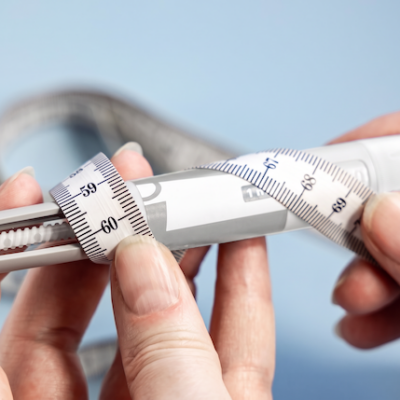
A groundbreaking study presented at the European Academy of Dermatology and Venereology (EADV) Congress 2024 has highlighted the promising role of semaglutide in treating hidradenitis suppurativa (HS), a chronic skin condition that frequently affects individuals living with obesity. This research represents the first formal investigation into the use of semaglutide, a glucagon-like peptide-1 receptor agonist (GLP-1RA), for managing HS, marking a significant step forward in the quest for more effective therapies for this debilitating condition.
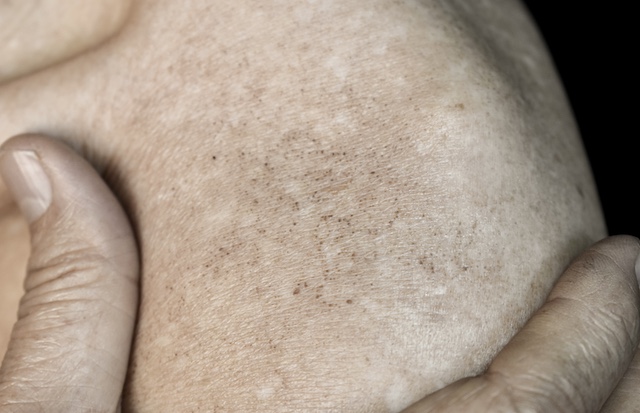
HS, which is characterised by painful abscesses, inflammation, and scarring, can severely impair quality of life. The condition affects roughly 1 in 100 people, with obesity being a well-established risk factor. While treatments for HS have evolved, many of the available options are associated with significant side effects and do not offer long-term relief, creating an urgent need for better-tolerated alternatives.
Study Overview
The study spanned from June 2020 to March 2023 and examined 30 individuals with obesity (27 women, 3 men, with an average age of 42) who had varying stages of HS. Participants received semaglutide at a mean dose of 0.8mg once weekly over an average period of 8.2 months. Researchers tracked several key health metrics, including body mass index (BMI), weight, HS flare frequency, Dermatology Life Quality Index (DLQI) scores, and pain levels. Additionally, biochemical markers such as C-reactive protein (CRP), glucose, and haemoglobin A1c (HbA1c) were monitored to assess inflammation and glycaemic control.
The results from this study revealed significant improvements across multiple measures.
Significant Reductions in HS Flares and Improvements in Quality of Life
The frequency of HS flare-ups was notably reduced, with the average time between flare episodes increasing from 8.5 weeks to 12 weeks. This reduction in flare-ups contributed to a significant improvement in patients’ overall quality of life. DLQI scores, which measure the impact of dermatological conditions on daily activities, improved from an average of 13/30 to 9/30. One-third of the participants experienced a reduction of four points or more in their DLQI score—an improvement that meets or exceeds the minimally important difference for this index.
Weight Loss and Biochemical Markers
Weight loss was another significant outcome of the study. The average BMI decreased from 43.1 to 41.5, while the average weight dropped from 117.7 kg to 111.6 kg, with one-third of participants losing 10 kg or more during the treatment period. This weight reduction is particularly important given the established link between obesity and the exacerbation of HS symptoms.
In terms of biochemical markers, improvements were also observed. HbA1c levels, which indicate long-term blood sugar control, decreased from 39.3 to 36.6, suggesting better glycaemic regulation. Additionally, CRP levels, a marker of inflammation, fell from an average of 7.8 to 6.9, highlighting a reduction in the inflammatory response associated with HS.
Expert Commentary
Dr Daniel Lyons, the lead researcher from St Vincent’s University Hospital in Dublin, Ireland, remarked on the significance of the findings:
“Our findings suggest that semaglutide, even at modest doses, can offer substantial benefits in managing HS. While the drug’s role in promoting weight loss is well-established, what’s particularly exciting is its potential to also reduce the frequency of HS flare-ups, contributing to the notable improvements observed in patients’ quality of life.”
Dr Lyons further elaborated on the importance of these results, stating:
“The results are highly encouraging and could represent a major breakthrough in HS treatment. To build on this progress, larger randomised controlled trials are necessary to validate these findings. Additionally, future research should explore the impact of higher doses of semaglutide and its effects independently of concomitant medications to fully understand its potential.”
He concluded with a hopeful outlook on future treatment pathways for HS:
“Ultimately, we hope our preliminary data will encourage dermatologists to consider weight loss medication as an adjunct to existing HS treatments and inspire further research in this area aimed at improving outcomes for people living with this challenging condition.”
Conclusion
This pioneering study brings renewed hope to people living with HS, a condition that has long been difficult to manage effectively. Semaglutide’s demonstrated ability to improve both skin-related and metabolic outcomes offers a promising new avenue for treatment, especially for those with obesity who are disproportionately affected by this condition. Further research will be vital to confirm these findings and to optimise dosing strategies, but this initial data suggests that semaglutide may have a transformative role in the future of HS care.