

New Virtual Care Programme Aims to Transform Severe Obesity Management in Western Sydney
Key Takeaways:
- Nepean Blue Mountains Local Health District (NBMLHD) is building “Living Well Virtual Care”, a 12–18 month virtual programme offering evidence-based, multidisciplinary care to adults living with severe obesity in Western Sydney.
- The programme is modelled on the internationally recognised Family Metabolic Health Service (FMHS) adult model of care and is designed for people who face barriers attending hospital-based services, including long travel distances, physical disabilities or severe anxiety.
- Funded through NSW Health’s Translational Research Grants Scheme and supported by the Agency for Clinical Innovation, Living Well has been designed to be scalable across NSW, including in regional and rural communities.
A new digital pathway for severe obesity care
Nepean Blue Mountains Local Health District (NBMLHD) is building the “Living Well Virtual Care” programme, a new digitally enabled clinical pathway designed to improve access to evidence-based severe obesity management in Western Sydney.
Living Well will run as a 12–18 month virtual programme. It draws its inspiration from the successful and internationally recognised Nepean Blue Mountains Family Metabolic Health Service (FMHS) adult model of care.
The programme supports adults living with severe obesity through a holistic, evidence-based, multidisciplinary approach. This approach addresses not only a person’s physical and mental health, but also the social factors that influence their long-term wellbeing.
Extending the reach of an established service
A central aim of Living Well is to reach people who may currently be missing out on specialist care.
“Living Well will allow us to extend the reach of the Family Metabolic Health Service to people who are waiting long periods of time to see us, or who may otherwise never engage with us,” explains Dr Kathryn Williams, Clinical Lead of the Family Metabolic Health Service and Principal Investigator of the Living Well program.
The programme is particularly suited to people who face barriers attending hospital-based services. These include people who live long distances from clinics, people with physical disabilities and people who experience severe anxiety.
Responding to growing demand across NSW
Demand for public obesity services continues to grow across NSW. Without timely intervention, a person’s health and quality of life can deteriorate, increasing the risk of chronic disease, disability and future hospitalisations.
Living Well has been developed as an affordable, scalable response to this challenge. By offering earlier, virtual access to coordinated care, the programme aims to support better health optimisation and ease pressure on emergency departments and inpatient services. These are outcomes that the in-person Family Metabolic Health Service model of care is already delivering.
“Severe obesity is a complex, chronic condition and it requires sustained, coordinated care,” continues Kathryn.
“Living Well will put the right support in place earlier, improving health outcomes for patients while also delivering better value for the health system.”
For healthcare professionals, this emphasis on obesity as a complex, chronic condition requiring sustained and coordinated care reflects the kind of evidence-based foundation covered in The College of Contemporary Health’s Obesity Essentials course, which supports clinicians to strengthen their understanding of obesity management in practice.
What the programme offers
The Living Well Virtual Care programme brings together a range of digital and supportive elements, including:
- On-demand educational content
- Live webinars and group interventions
- Practical resources to support participants to engage their GP in medical weight management and the management of obesity-related complications
- Links to trusted external online resources relevant to severe obesity
- Opportunities for peer connection and support
Alongside engaging with the online content, participants receive one-to-one health coaching.
Designed to scale across the state
Living Well has been designed to be scalable across NSW, including in regional and rural communities, and is supported by the Agency for Clinical Innovation.
“This program will demonstrate how digital care can be used as an extension of high-quality clinical services,” says Kathryn.
“For many patients it will mean timely access to care, greater confidence in managing their health, and a more positive experience as they journey through the health system.”
Funding and research significance
The Living Well Virtual Care Program is funded through NSW Health’s Translational Research Grants Scheme. It is one of three NBMLHD high-impact research projects with the potential to be translated into policy and practice and to build research capability within NSW Health.
CCH insight
As services like Living Well show, effective care for people living with severe obesity depends on clinicians who understand obesity as a complex, chronic condition and can support people through sustained, coordinated care. The College of Contemporary Health’s Obesity Essentials course is designed to help healthcare professionals build confidence in evidence-based obesity management.
Source: Nepean Blue Mountains Local Health District
Read More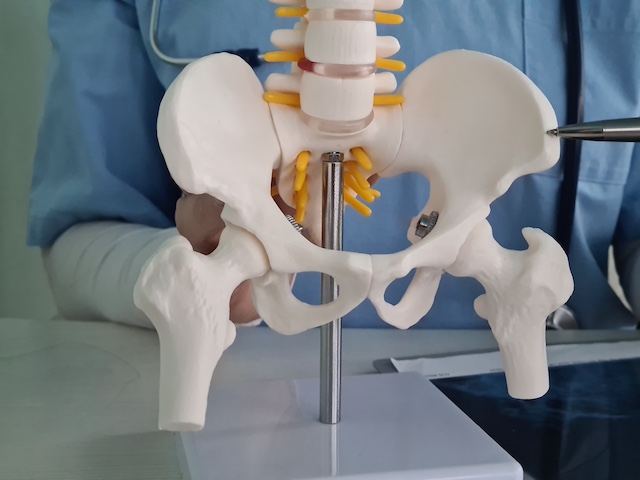
AI-Supported Telehealth Enhances Hip Surgery Recovery in Regional Australia
Key Takeaways:
- A co-designed, digitally supported recovery pathway is helping people in regional Australia access surgeon-approved post-operative hip care without the need for long-distance travel.
- The Panacea Pathway integrates predictive analytics and AI-generated insights to monitor progress, identify risks early, and support safer and more consistent recovery at home.
- More than 3,000 at-home clinical appointments have been delivered, with patients reporting greater confidence, improved continuity of care, and fewer missed appointments.
Addressing gaps in regional post-operative care
Hip replacement surgery is among Australia’s most frequently performed orthopaedic operations, and the demand for this intervention continues to grow as the population becomes older. However, people living in regional areas remain disproportionately affected by barriers to appropriate post-operative follow-up. Many must travel long distances to attend surgeon or specialist reviews, face reduced access to multidisciplinary care, and often lack the reassurance that accompanies regular in-person monitoring.
Recognising these persistent challenges, the Fortius Institute for Musculoskeletal Research (FIMR), working in partnership with the Sunshine Coast Orthopaedic Group, identified an opportunity to reshape the recovery experience. Together, they developed the Panacea Pathway: a digitally supported, surgeon-approved rapid recovery pathway delivered directly into people’s homes by nurse practitioners through a Nurse Concierge model.
Co-designing a digital recovery service
To turn this concept into a structured clinical pathway, FIMR partnered with the University of the Sunshine Coast to design the Nurse Concierge service specifically for people recovering from hip arthroplasty. This collaboration was supported by the Queensland Government’s Regional University Industry Collaboration (RUIC) programme, delivered by CSIRO, which connects regional universities with small and medium-sized enterprises to facilitate research partnerships across Queensland.
For the Sunshine Coast Orthopaedic Group, the RUIC partnership offered access to advanced research expertise and data capabilities that would not have been available independently. With direct support from the University of the Sunshine Coast, the team was able to gather a broader and more detailed dataset, providing a stronger foundation for training AI tools using real-world clinical information.
This work resulted in a clinical care pathway combining surgeon-approved best practice with at-home delivery by nurse practitioners. The approach integrates predictive analytics and AI-driven insights to remotely monitor each person’s progress, detect early signs of risk, and support timely intervention. In doing so, it reduces the physical and practical burden on patients while promoting safer and more consistent recovery outcomes.
“Seeing our research directly improve patients’ lives has been incredibly rewarding, and this project is demonstrating our approach is leading to safer, better and faster recovery for patients undergoing major orthopaedic surgery,” said Professor Nick Ralph from the University of Sunshine Coast.
He added: “Working alongside clinicians through the RUIC partnership meant we could refine our data collection methods in real-time, building the robust dataset needed to develop an evidence-based care pathway.”
Impact and future direction
Early feedback on the at-home Nurse Concierge service has been highly positive. More than 3,000 at-home clinical appointments have already been completed, substantially reducing travel time for regional participants and resulting in fewer missed follow-up appointments. Many patients reported feeling more confident in their recovery journey, emphasising the value of personalised monitoring and consistent contact with the same nurse practitioner.
“This project has demonstrated how remote care and digital health tools can reimagine the patient journey,” said Dr Stephanie Chaousis, Head of Digital Innovation at FIMR.
“By combining clinical expertise with data-driven insights, we’re not just improving recovery outcomes – we’re establishing a new standard for musculoskeletal care.”
The extensive dataset collected through the programme is now informing further enhancements to the pathway for joint replacement patients. Building on the success of the hip surgery pilot, the Sunshine Coast Orthopaedic Group intends to expand the Panacea Pathway to include knee replacement procedures.
With its strong foundation in real-world data, interdisciplinary collaboration, and AI-enabled monitoring, the Panacea Pathway offers a scalable model that could be adopted across hospital networks. Its principles have the potential to inform future clinical guidelines and broaden access to safer, more equitable recovery pathways for people throughout Australia.
Read More