
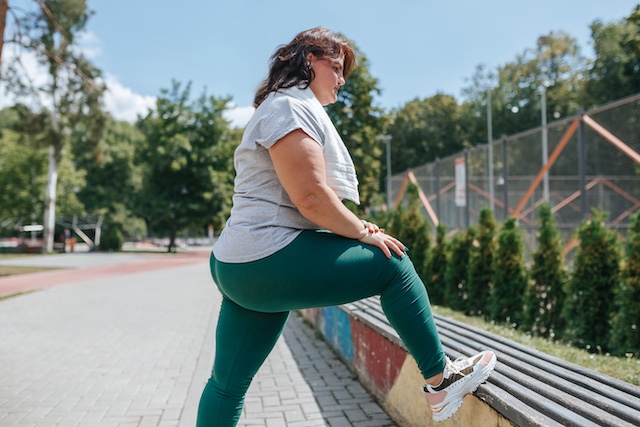
Beyond the Scales: Why Physical Activity Remains Central to Obesity Care
Key Takeaways:
- Exercise earns its place in obesity care through benefits the scales never show – lower blood pressure, better insulin sensitivity and improved fitness – so it remains worthwhile even when weight changes little.
- On its own, activity shifts the scales only modestly, but paired with diet, obesity medications or surgery it protects lean muscle, drives fat loss and makes the results last.
- Tools such as the 5A consultation model, wearables and app-based coaching can lift adherence, though their value depends on access, accuracy and how well they fit each person’s life.
How much weight someone loses has long been the headline measure of whether obesity treatment is working. A new scientific statement from the American Heart Association, published in Circulation, makes the case that this measure misses much of what physical activity actually does. Movement, the statement argues, reshapes cardiovascular and metabolic health in ways that a set of weighing scales will never register.
What activity does that the scales cannot capture
Obesity sits at the centre of cardiovascular risk because of the company it keeps: raised blood pressure, disordered blood fats and insulin resistance. With roughly 42% of adults in the United States affected, the stakes are considerable, and treatment has traditionally pursued two linked aims, shedding weight and lowering heart disease risk.
Physical activity contributes to both, but the more interesting finding is how much it achieves on its own terms. Regular exercise lowers blood pressure, sharpens the body’s response to insulin and nudges cholesterol and other lipids in a healthier direction, and it does so whether or not the number on the scales falls. Aerobic and resistance training each deliver. As a rough rule, doing more tends to help weight-related outcomes most, while working harder pays off most for cardiorespiratory fitness.
Why exercise alone is a poor weight-loss strategy
If the goal is purely to lose weight, activity by itself is an inefficient route. Unless someone trains at high volumes, the losses are usually small, and fewer than one person in seven manages a clinically meaningful reduction through exercise alone. The body, in effect, fights back: appetite climbs and metabolism slows, eroding the deficit that training creates.
This is why exercise works best in combination. Adding it to a calorie-reduced diet produces more weight loss and better metabolic results than either approach in isolation. And the composition of that loss matters as much as the total. Eating enough protein and including resistance work helps ensure the weight that goes is fat rather than muscle, preserving the lean tissue that keeps metabolism and strength intact.
Keeping weight off is the harder battle
Losing weight is difficult; not regaining it is harder still, and regain tends to undo the health gains that came with it. Here the evidence points firmly towards higher activity levels, somewhere between 200 and 300 minutes a week, as a marker of people who keep weight off successfully. The catch is that few people sustain that volume.
A more realistic path is to build gradually towards at least 150 minutes a week of moderate-to-vigorous activity, then add more where possible. Even when some weight creeps back, staying active keeps the cardiometabolic benefits in play, which is reason enough to maintain the habit rather than abandon it after a setback.
Where medication and surgery enter the picture
For people whose body mass index is high and for whom lifestyle change has not been enough, obesity medications and bariatric surgery are central options. Both are effective, and both come with real-world limits around cost, availability and side effects. Neither replaces an active lifestyle; the statement frames physical activity as the strategy that should run alongside them.
The newer GLP-1 receptor agonists, including liraglutide, semaglutide and tirzepatide, have transformed what medication can achieve, with some trials approaching the results once seen only after surgery. They work mainly by curbing appetite and slowing the stomach’s emptying, and although side effects are common, they are usually manageable. Beyond weight, liraglutide and semaglutide have been shown to cut major cardiovascular events in certain high-risk groups.
What remains poorly understood is how exercise fits into this newer landscape. Most medication trials simply have not isolated what activity adds, or how the two interact, leaving the ideal exercise prescription for people on these drugs an open question. The issue is sharpened by the fact that a notable share of the weight lost on GLP-1 receptor agonists is lean tissue rather than fat, even if the long-term consequences of that are not yet clear. The handful of studies that do compare medication with and without exercise suggest that adding activity means more fat loss and better fitness, but the field is still waiting for the large, controlled trials that would settle the matter.
Surgery raises related questions. People approaching bariatric procedures tend to be less active to begin with, and there is no agreed playbook for the period beforehand; insurer-mandated pre-surgical activity programmes exist, but the evidence that they change outcomes is thin and inconsistent. Afterwards, the picture is clearer: people who move more lose more weight and fat, hold onto those losses, and gain in fitness and strength, though effects on metabolic risk markers vary and access to structured programmes is frequently lacking.
Turning good intentions into sustained habits
Clinicians are not bystanders in any of this. A widely used framework, the 5A model, gives consultations a useful spine: assess where the person is, advise on the options, agree on goals, assist in pursuing them and arrange follow-up. Worked through properly, each step tends to deepen engagement with both dietary change and activity, making healthy behaviours easier to stick to.
Doing this well means looking past activity levels alone to the psychological, social and medical factors that can stall progress, and gauging how ready and confident someone feels about changing. Counselling tailored to that profile builds motivation and trust, which in turn supports the activity itself. Equipping clinicians to weave physical activity, dietary change and behaviour change into everyday obesity consultations is the focus of practical training such as the College of Contemporary Health’s Obesity Toolbox, a CPD-accredited online short course. Because a short appointment can only do so much, part of the clinician’s job is helping people spot the obstacles in their way, solve them together, and connect with wider support, whether behavioural counselling or a digital programme that keeps them accountable between visits.
Technology is increasingly part of that support. Wearables, apps, text reminders, personalised feedback and self-monitoring all show promise for keeping people moving. The statement is careful, though, to flag the caveats: not everyone has equal access to these tools, the devices vary in how accurately they measure activity, and none of it substitutes for regular reassessment and structured follow-up.
The bottom line for treatment
Physical activity belongs at the heart of comprehensive obesity care, supporting weight loss, helping maintain it and improving health more broadly. Medications and surgery are genuine advances, but exercise adds something they do not fully provide: gains in cardiovascular risk, body composition, fitness and quality of life, many of which arrive independently of any change on the scales.
Delivering that well takes teamwork across clinicians and allied health professionals, and programmes that are not only effective but also affordable and within reach, especially for under-resourced communities where obesity is more common and activity levels lower. Making the wider case for movement, rather than treating it as a weight-loss tool alone, is likely to be what makes obesity treatment hold up over the long run and eases the cardiovascular toll that obesity exacts.
CCH insights:
This study strikes right at the heart of how our understanding of obesity is starting to change – it is not all about body weight and body fat, but about health. Although reducing harmful body fat is an important part of obesity treatment, so is improving cardiometabolic health and other health issues that arise as a result of obesity. And physical activity is a vital tool in delivering these health improvements – helping to reduce blood pressure, regulate blood glucose, reduce cholesterol and improve
muscle mass and function – whether or not it results in weight loss whether or not it results in weight loss. For clinicians looking to put this into practice, CCH’s Obesity Toolbox (1.5 hours, fully online, CPD-accredited) is a quick, practical primer on the essentials of physical activity, dietary change and behaviour change in obesity care – a fast starting point for busy practitioners.
Explore the Obesity Toolbox →

Walking 8,500 Steps a Day May Help Prevent Weight Regain, Study Finds
Key Takeaways:
- New research presented at ECO 2026 suggests that walking around 8,500 steps a day may help people maintain weight loss and reduce the risk of weight regain after dieting.
- Researchers found that people who increased and sustained their daily step count were more successful at keeping weight off over the long term.
- The study highlights walking as a simple, affordable, and accessible strategy that could support long-term obesity management.
Study explores the role of walking in long-term weight management
New research being presented at the European Congress on Obesity (ECO 2026) in Istanbul, Turkey, taking place from May 12–15, suggests that walking approximately 8,500 steps per day could help people avoid regaining weight after dieting.
The findings, which will also be published in the International Journal of Environmental Research and Public Health, address one of the biggest challenges in obesity care – maintaining weight loss over time.
Although many weight loss programmes encourage people to increase their daily physical activity, including walking, researchers say there has been relatively limited evidence examining whether higher step counts genuinely help people lose weight during dieting or maintain that weight loss afterwards.
The new study aimed to clarify whether walking more each day could reduce the likelihood of weight regain and identify what level of daily activity may be most beneficial.
Preventing weight regain remains a major challenge
Professor Marwan El Ghoch, from the Department of Biomedical, Metabolic and Neural Sciences at the University of Modena and Reggio Emilia in Italy, highlighted the importance of addressing weight regain in obesity treatment.
“The most important – and greatest – challenge when treating obesity is preventing weight regain,” explained Professor El Ghoch.
“Around 80% of people with overweight or obesity who initially lose weight tend to put some or all of it back on again within three to five years.
“The identification of a strategy that would solve this problem and help people maintain their new weight would be of huge clinical value.”
Long-term weight maintenance is widely recognised as one of the most difficult aspects of obesity management. While many people can initially lose weight through dietary changes, sustaining those results often proves far more challenging due to complex biological, behavioural, and environmental factors.
Researchers conducted a large systematic review and meta-analysis
To explore the relationship between walking and long-term weight management, Professor El Ghoch and colleagues from Italy and Lebanon carried out a systematic review and meta-analysis of existing research.
The researchers analysed 18 randomised controlled trials investigating walking and weight management strategies. Fourteen of those studies, involving a total of 3,758 adults, were included in the final meta-analysis.
Participants had an average age of 53 years and an average body mass index (BMI) of 31 kg/m², placing the average participant in the obesity category. The studies included participants from a range of countries, including the United Kingdom, United States, Australia, and Japan.
The trials compared two groups:
- 1,987 participants enrolled in lifestyle modification (LSM) programmes
- 1,771 participants assigned to control groups
The control groups either followed dieting programmes without additional support or received no treatment intervention.
Lifestyle programmes combined diet and increased walking
The lifestyle modification programmes combined dietary guidance with recommendations to increase walking and monitor daily step counts.
These interventions generally included two distinct phases:
- An initial weight loss phase
- A longer-term maintenance phase designed to help participants sustain weight loss
Researchers assessed participants’ daily step counts at multiple time points throughout the studies, including:
- At baseline
- After the weight loss phase
- After the maintenance phase
The average duration of the weight loss phase was 7.9 months, while the maintenance phase lasted an average of 10.3 months.
At the start of the studies, physical activity levels were similar in both groups. Participants in the lifestyle modification programmes averaged 7,280 steps per day, while participants in the control groups averaged 7,180 daily steps.
Higher step counts were associated with less weight regain
The researchers found that participants in the control groups did not significantly increase their daily walking levels and did not experience meaningful weight loss during the studies.
In contrast, participants enrolled in the lifestyle modification programmes increased their average daily step count to 8,454 steps by the end of the weight loss phase.
During this period, participants lost an average of 4.39% of their body weight, equivalent to approximately 4 kg.
Importantly, participants were largely able to maintain their higher levels of daily activity throughout the maintenance phase. By the end of the studies, they were still averaging 8,241 steps per day.
They also maintained most of their weight loss over the longer term, with an average sustained weight reduction of 3.28%, or roughly 3 kg.
Further analysis demonstrated a clear association between higher daily step counts and lower levels of weight regain.
Researchers found that people who increased their walking during the weight loss phase and sustained those higher activity levels afterwards were more successful at maintaining weight loss over time.
Walking appeared more important for weight maintenance than initial weight loss
Interestingly, the study found that walking more was not associated with greater weight loss during the initial dieting period itself.
Researchers suggested this may be because calorie reduction and dietary changes tend to have a stronger influence on short-term weight loss than physical activity alone.
However, physical activity appeared to play a more significant role in helping people sustain weight loss once it had been achieved.
This distinction is important because many obesity interventions focus heavily on initial weight reduction, despite evidence showing that long-term maintenance is often the more difficult challenge.
A simple and affordable intervention
Professor El Ghoch said the findings demonstrate that lifestyle modification programmes incorporating walking can support clinically meaningful long-term weight management.
He added:
“Participants should be always encouraged to increase their step count to approximately 8,500 a day during the weight loss phase and sustain this level of physical activity during the maintenance phase to help prevent them from regaining weight.
“Increasing the number of steps walked to 8,500 each day is a simple and affordable strategy to prevent weight regain.”
The researchers suggest that walking may represent a practical and accessible intervention that could be incorporated into obesity treatment programmes without the need for expensive equipment or specialist facilities.
As obesity rates continue to rise globally, strategies that are sustainable, low-cost, and easy to implement may become increasingly important in supporting long-term health outcomes.
CCH insight
The evidence increasingly points to sustained behaviour change – not just the initial loss – as the real challenge in obesity care. CCH’s Obesity Essentials CPD short course (8–10 hours, fully online, CPD-accredited) gives healthcare professionals the practical skills to assess, support and manage patients with overweight and obesity, including how to help them build and maintain the everyday habits, such as regular walking, that keep weight off for good.
Explore Obesity Essentials →

Weight Training Outperforms Running in Blood Sugar Control, Virginia Tech Mice Study Shows
Key Takeaways:
- Researchers at Virginia Tech found that resistance training was more effective than running in improving glucose tolerance and reducing insulin resistance in mice fed a high-fat diet.
- Both endurance and resistance exercise reduced body fat and improved blood sugar regulation, but resistance training yielded stronger metabolic benefits.
- The study suggests that strength training could play a particularly valuable role in preventing and managing Type 2 diabetes.
Weightlifting may offer unique metabolic benefits
Running is widely recognised for its cardiovascular and calorie-burning benefits, but new preclinical findings from the Fralin Biomedical Research Institute at Virginia Tech Carilion suggest that lifting weights may be even more effective for controlling blood sugar and reducing body fat.
Published on 30 October in the Journal of Sport and Health Science, the study compared the effects of endurance and resistance exercise in mice fed a high-fat diet, a common experimental model for obesity, hyperglycaemia, and Type 2 diabetes.
The team, led by Professor Zhen Yan, an exercise medicine researcher and director of the institute’s Centre for Exercise Medicine Research, found that while both running and weight training improved the body’s ability to clear excess glucose from the bloodstream, resistance training had a stronger impact on reducing both subcutaneous and visceral fat, improving glucose tolerance, and lowering insulin resistance.
“We all want to live a long, healthy life,” said Yan. “We all know the benefits of regular exercise. There is plenty of evidence in humans that both endurance exercise, such as running, and resistance exercise, such as weightlifting, are effective in promoting insulin sensitivity.”
Although both types of activity are known to improve metabolic function, the researchers noted that there had previously been no rigorous, controlled comparison between them.
Developing a model for ‘mouse weightlifting’
To address this gap, the Virginia Tech team created a first-of-its-kind preclinical model of resistance training in mice.
In their experiment, the mice lived in custom-built cages where food was available only through a hinged, weighted lid. To eat, the mice had to lift the lid while wearing a small shoulder collar, performing a movement similar to a human squat. The load was gradually increased over time, effectively replicating progressive strength training.
Meanwhile, the endurance group of mice was given unrestricted access to a running wheel, a standard model for voluntary aerobic exercise. Control groups included sedentary mice maintained on either a normal or high-fat diet.
Over an eight-week period, the researchers monitored changes in body weight, fat distribution, and body composition. They measured exercise capacity with treadmill tests, assessed cardiovascular and muscular performance, and evaluated blood sugar regulation. Muscle tissue samples were also analysed to study insulin signalling at the molecular level.
Using their novel resistance training model, the team could directly compare the metabolic outcomes of running and strength exercise under controlled conditions.
“Our data showed that both running and weightlifting reduce fat in the abdomen and under the skin and improve blood glucose maintenance with better insulin signalling in skeletal muscle,” Yan said. “Importantly, weightlifting outperforms running in these health benefits.”
Implications for obesity and diabetes prevention
Obesity and Type 2 diabetes remain among the most pressing public health challenges, driven largely by high-fat diets and sedentary lifestyles. The new study supports existing clinical evidence showing that endurance, resistance, and high-intensity interval training all contribute to better long-term blood sugar control, reduced body mass index, lower blood pressure, and improved overall well-being.
However, this Virginia Tech study fills a critical gap by directly comparing the two types of exercise in a controlled model of diet-induced obesity. The findings may have important implications for exercise recommendations and diabetes prevention strategies.
“The findings also bring good news for people who, for any number of reasons, cannot engage in endurance-type exercise,” Yan explained. “Weight training has equal, if not better, anti-diabetes benefits.”
Exploring new mechanisms and future therapies
The researchers also observed molecular changes in skeletal muscle that may help explain the enhanced benefits of resistance training. These shifts in insulin signalling pathways could, according to the team, inform the development of new drug therapies for managing Type 2 diabetes.
Interestingly, the improvements seen with resistance training were not directly linked to increased muscle mass or superior exercise performance, suggesting that unique metabolic mechanisms may be at work.
Yan emphasised that although pharmacological interventions such as GLP-1 receptor agonists are valuable tools in diabetes management and weight loss, they cannot replace the broad, systemic benefits of physical activity.
“The take-home message is that you should do both endurance and resistance exercise, if possible, to get the most health benefit,” he said.
The study was supported by the National Institute of Arthritis and Musculoskeletal and Skin Diseases of the National Institutes of Health and by the Red Gates Foundation, with collaborators from the University of Virginia contributing to the work.
CCH insights
This is an interesting study, but it is important to note it was conducted in mice, not humans. Having said that, perhaps the most reassuring thing about these results is that both types of exercise provided metabolic health benefits. The critical thing about physical activity is that any amount and type is better than doing none, and while a combination of endurance and resistance is probably best, if you can only manage one type or the other, it will have a positive impact.
Read More
Exercise Shown to Reduce Artery Hardening After Weight Loss in Adults With Obesity
Key Takeaways:
- Regular exercise after weight loss significantly reduces inflammation and improves blood vessel health in adults living with obesity.
- The GLP-1 receptor agonist liraglutide helped participants maintain weight but did not show the same protective effects against artery hardening.
- Researchers emphasise exercise as an essential factor for maintaining cardiovascular health after weight reduction.
Exercise and heart health after weight loss
Maintaining weight loss through regular exercise, rather than relying solely on the glucagon-like peptide-1 receptor agonist (GLP-1RA) liraglutide, appears to protect against atherosclerosis in adults living with obesity, according to new research from the University of Copenhagen. Atherosclerosis—hardening and narrowing of the arteries due to inflammation and fat deposits—is a major underlying cause of cardiovascular disease (CVD).
The findings were presented at the Annual Meeting of the European Association for the Study of Diabetes (EASD) 2025 in Vienna (15–19 September).
“Our findings reveal that regular exercise is crucial to helping people living with obesity get the full cardiovascular benefits after a substantial weight loss,” said Dr Rasmus Sandsdal, lead author of the study from the University of Copenhagen, Denmark.
Understanding the risk
Cardiovascular disease remains the leading cause of death globally. It often begins with atherosclerosis, in which chronic inflammation and lipid accumulation cause the arteries to stiffen and narrow. If left unchecked, these plaques can rupture and trigger life-threatening events such as heart attacks and strokes.
Obesity contributes to chronic low-grade inflammation and endothelial dysfunction—a condition in which blood vessels lose their ability to contract and relax properly—both of which accelerate atherosclerosis.
While both exercise and GLP-1RAs are known to lower cardiovascular event risk in people with obesity, their specific effects on the development of atherosclerosis during weight loss maintenance have remained unclear—until now.
The study design
The Danish research team conducted a randomised placebo-controlled trial involving 215 adults aged 18–65 years (63% female) living with obesity (BMI 32–43 kg/m²) but without diabetes or other serious chronic conditions.
All participants began an eight-week low-calorie diet (800 kcal per day) using the Cambridge Weight Plan. Of these, 195 participants who achieved at least a 5% reduction in body weight (average loss of 12% or 13.1 kg) entered a one-year maintenance phase. They were randomly assigned to one of four groups:
- Exercise (150 minutes/week of moderate-to-vigorous activity) plus placebo
- Liraglutide treatment (3.0 mg per day)
- Exercise combined with liraglutide
- Placebo only
Researchers measured several key biomarkers at three points—before dieting, at the start of weight maintenance, and after one year. These included inflammatory markers (interleukin-6 [IL-6] and interferon-γ [IFN-γ]), endothelial function markers (intercellular adhesion molecule [ICAM-1], vascular adhesion molecule [VCAM-1], and tissue plasminogen activator [tPA]), and carotid artery intima-media thickness [cIMT], an indicator of arterial wall health measured by ultrasound.
Exercise reduced inflammation and improved arterial health
After one year, participants in both the exercise and liraglutide groups successfully maintained their weight loss. However, significant differences emerged in their cardiovascular health profiles.
Those who exercised—whether or not they also received liraglutide—had notably lower levels of inflammatory biomarkers compared with non-exercising participants. On average, IL-6 levels were 21% lower, and IFN-γ levels were 27% lower.
Exercise also had a favourable effect on endothelial function, reflected in a 6% reduction in VCAM-1, 8% reduction in ICAM-1, and 12% reduction in tPA compared to those who did not exercise. Moreover, carotid artery thickness decreased by an average of 0.024 mm, indicating reduced arterial hardening.
In contrast, treatment with liraglutide alone did not yield any measurable improvements in inflammatory or endothelial biomarkers, nor did it affect carotid artery thickness.
“Regular exercise seems to confer a protective effect against the development of atherosclerosis in people trying to maintain weight loss,” said Dr Sandsdal. “Since both exercise and GLP-1RA treatment were successful at keeping weight off, it seems that exercise plays an important role in mitigating cardiovascular risk factors in a weight-independent manner.”
Implications for long-term health
Exercise offers multiple benefits beyond weight control, including improvements in body composition, cardiorespiratory fitness, and metabolic health. Together, these contribute to better long-term cardiovascular outcomes.
“The most important message from our findings is that, for those trying to maintain weight loss, exercise is crucial in improving long-term health,” said Professor Signe Sørensen Torekov, corresponding author from the University of Copenhagen. “Given the substantial societal and economic costs of obesity-related cardiovascular disease, these findings underscore regular exercise as a critical component of weight management and heart health.”
Study limitations and future research
The authors acknowledged several limitations. The study’s sample size was relatively small, and adherence to structured exercise in real-world conditions may be lower than in a supervised trial setting.
Future studies, they suggested, should explore longer-term interventions and evaluate newer GLP-1 receptor agonists—potentially more potent than liraglutide—in combination with consistent exercise to assess whether similar or enhanced cardiovascular benefits can be achieved.
CCH insight:
We have long known that exercise is important for cardiovascular health, so the results of this study should not be a surprise – exercise provides cardiovascular benefits whether or not you are taking a GLP-1 medication. It is also important to remember that GLP-1 receptor agonists are meant to be taken as an adjunct to a healthy diet and lifestyle, including exercise. This is not just about weight management, but also about maximising health benefits and minimising the risk of developing diseases associated with obesity – such as cardiovascular disease.
Read More