

Weight Raised in Fewer Than Four in Ten Type 2 Diabetes Consultations, With Bariatric Surgery Never Mentioned
Key Takeaways:
- Weight was discussed in just 48 of 123 recorded primary care visits for people living with type 2 diabetes (39%), and clinicians never used the words “overweight” or “obesity” during these conversations.
- Clinicians started most weight discussions, with only 15% classed as patient-directed, and the advice given differed depending on who raised the topic.
- Bariatric surgery was not mentioned in any of the recorded visits, suggesting that some people may not be hearing about the full range of treatment options available to them.
Weight conversations were infrequent in recorded diabetes visits
A Yale-led study published in BMC Primary Care has found that weight was discussed in only 48 of 123 recorded primary care visits for type 2 diabetes – just 39% of appointments. Clinicians initiated the majority of these conversations, only 15% were patient-directed, and bariatric surgery was never discussed.
The research drew on video-recorded visits at Fair Haven Community Health Care in New Haven, Connecticut. Notably, clinicians never used the terms “overweight” or “obesity”. Instead, they referred to weight in general terms, and on occasion talked in pounds or kilograms.
For people living with type 2 diabetes, the findings highlight a practical opportunity. Options for treating weight have broadened considerably in recent years, including GLP-1 medications and other approaches, and people do not need to wait for their clinician to raise the subject.
Clinicians led most weight discussions, and surgery was never mentioned
The study analysed visits recorded as part of a trial called QBSAfe, which tested an agenda-setting tool for diabetes care. The tool itself did not address weight. Every participant was living with type 2 diabetes, had an HbA1c (A1c) of at least 8% and a body mass index of at least 25. Most participants were Hispanic or Latino, and most of those who reported their income were on low incomes.
Clinicians started 56% of weight discussions. The researchers categorised 44% of conversations as clinician-directed, 38% as collaborative, 15% as patient-directed and 4% as confrontational. Every patient-directed conversation began with the patient raising the topic themselves.
The type of advice given varied according to who started the conversation. According to News-Medical’s summary of the study, clinicians recommended physical activity in 44% of the conversations they initiated, compared with just 14% of those started by patients. Changes to diet and diabetes medicines associated with weight loss were common recommendations. Social factors, such as access to food, were raised in 17% of discussions, while referrals to a dietitian featured in 13%.
Weight was discussed more frequently with people already taking GLP-1 receptor agonists, although the researchers were unable to establish why. One treatment option was absent altogether: “Bariatric surgery was not discussed,” the authors wrote.
A small, single-clinic snapshot with clear limitations
This was an observational study of 123 recorded visits at a single community health centre. It describes how weight was discussed but cannot show whether any particular conversation style changed people’s health or behaviour. Classifying the conversations involved a degree of judgement, and results may differ in other clinics or among other patient groups.
The authors acknowledged that social barriers may have been addressed outside the recorded visits. Even so, if patients rarely lead the conversation and some treatment options are never raised, people may miss out on hearing about choices that could benefit their diabetes and their overall health.
The treatment landscape is also changing rapidly. MedicalDaily has reported on trial results for combination weight-loss medicines in people living with type 2 diabetes, and further options are currently being studied.
The findings also point to the value of supporting clinicians to feel confident raising weight in a sensitive, person-centred way and discussing the full range of evidence-based options. Continuing professional development, such as The College of Contemporary Health’s Obesity Essentials course, can help healthcare professionals strengthen their approach to these conversations with people living with obesity and related conditions.
People who may benefit most from speaking up
People living with type 2 diabetes whose blood sugar remains high despite treatment may have the most to gain from a fuller conversation about weight. For many people living with diabetes, losing weight can make blood sugar easier to manage, and some newer diabetes medicines also reduce weight.
People with limited appointment time, those facing language barriers and those on lower incomes may encounter additional hurdles. These groups were well represented in the study, which makes its findings particularly relevant to community health centres and safety-net clinics.
Questions to bring to the next diabetes appointment
Patients can raise weight directly at the start of a visit so that it does not get squeezed out. A simple way to open the conversation is to ask whether weight is affecting blood sugar and what options might help.
From there, useful questions include whether a GLP-1 medication or another diabetes medicine that supports weight loss would be suitable, what side effects to expect and how long treatment might last. Patients can ask whether they meet the criteria for bariatric surgery – which can include people living with type 2 diabetes that is difficult to control – and what a referral would involve. They can also ask to be referred to a dietitian or a diabetes education programme.
Cost is often the deciding factor. In the US setting of the study, patients can ask which medicines their insurance covers, whether prior authorisation is required and whether lower-cost alternatives or manufacturer assistance programmes are available.
Writing questions down before the appointment and bringing an up-to-date list of medicines can also help. Patients who prefer to speak Spanish or another language can ask for an interpreter, as programmes receiving US federal funding must provide free language assistance services.
Safety comes first
No one should start, stop or change a diabetes medicine without first speaking to a clinician. Symptoms such as extreme thirst, confusion, fainting or signs of very low blood sugar require prompt medical attention. The researchers called for ways to make weight conversations more frequent in primary care, but patients do not need to wait for their clinician to raise the subject.
CCH insight
This study shows that weight is often left out of diabetes consultations, and that important treatment options such as bariatric surgery may never be raised. Our Obesity Essentials CPD course is designed for healthcare professionals who want to build their knowledge and confidence in supporting people living with obesity, helping to ensure that conversations about weight are routine, respectful and informed by the full range of options. Find out more and enrol today.
Explore Obesity Essentials short course →
Source: BMC Primary Care
Read More
Gut Microbes Shape How Many Calories We Really Absorb, New Model Suggests
Key Takeaways:
- Researchers at Arizona State University have developed a mathematical model, DAMM, that links human digestion with gut microbial metabolism to estimate how much energy the body actually absorbs from food.
- In a controlled diet study, people following a typical Western diet absorbed approximately 116 more calories per day than those following a high-fibre “microbiome-enhancer” diet, and participants on the higher-fibre plan did not report feeling hungrier.
- Short-chain fatty acids produced by gut bacteria supplied an average of around 140 calories per day, roughly 7.4% of total usable energy, a contribution that conventional food-label calculations do not explicitly measure.
Rethinking the number on the label
The calorie count printed on food packaging might appear to be a simple measure of how much energy a person will gain from eating it. However, that figure does not necessarily reflect the calories the body actually absorbs. One reason for this is that digestion involves far more than the breakdown of food by the body alone – it also relies on the trillions of microorganisms living within the digestive system.
Researchers at Arizona State University (ASU) have developed a mathematical model to explore this often overlooked aspect of digestion. Known as DAMM, short for digestion, absorption and microbial metabolism, the model tracks how food moves through the digestive tract, how much energy the body absorbs directly, and how gut microbes process whatever remains. It also estimates which products of digestion are absorbed and which leave the body as waste.
By accounting for the relationship between diet, human digestion and gut bacteria, the researchers hope to improve understanding of obesity, diabetes and other metabolic disorders. With further development, the approach could eventually help healthcare professionals design diets tailored to individual patients.
“Digestion is not just a human process – it is a collaboration between our bodies and trillions of microbes living in the gut,” said Professor Rosa Krajmalnik-Brown. “DAMM gives us a powerful new way to quantify how those microbial partners contribute to human health and energy balance, and also point at the importance of properly feeding our gut microbes.”
Professor Krajmalnik-Brown is director of ASU’s Biodesign Center for Health Through Microbiomes and a professor in the university’s School of Sustainable Engineering and the Built Environment.
The research team also included ASU Professor Bruce Rittmann, director of the Biodesign Swette Center for Environmental Biotechnology and a Regents Professor of environmental engineering, alongside first author Taylor Davis, an ASU graduate research assistant. Scientists at the AdventHealth Translational Research Institute in Orlando, Florida, also collaborated on the project.
The findings were published in PLOS One.
Why traditional calorie counts miss part of the picture
For more than 100 years, scientists have relied on a system based on Atwater parameters to estimate how much energy people can obtain from food. This method assigns average calorie values to each gram of fat, carbohydrate and protein, and then uses those values to calculate the total energy available.
While this approach is practical and widely used, it cannot fully explain what happens during digestion. In particular, it does not account for how different foods nourish gut bacteria, or how those bacteria transform undigested material into substances the body can use for energy.
Short-chain fatty acids offer an important example. These compounds are produced when microbes in the colon break down fibre and other food components that pass through the upper digestive tract without being absorbed. Some of these fatty acids can then enter the bloodstream and provide additional calories.
To better understand these interactions, the researchers built on an earlier controlled diet study that investigated how the gut microbiome influences human energy balance. The gut microbiome refers to the vast community of bacteria and other microorganisms that inhabit the digestive system.
A high-fibre diet led to 116 fewer calories absorbed per day
In the clinical study, healthy adults followed one of two carefully designed eating plans. The first was a microbiome-enhancer diet containing substantial amounts of fibre and resistant starch, made up of less processed foods and foods with a larger particle size. Resistant starch is a type of carbohydrate that escapes much of the usual digestion in the small intestine, allowing it to reach the colon, where microbes can break it down.
The second eating plan resembled a typical Western diet, with lower amounts of fibre and resistant starch, made up of more processed foods with a smaller particle size.
Although both diets were designed specifically for the study, participants absorbed noticeably different amounts of energy. Those following the Western diet absorbed approximately 116 more calories per day than those following the fibre-rich diet.
Perhaps just as notably, participants following the higher-fibre eating plan did not report feeling hungrier.
The findings suggest that the amount of energy people obtain from food depends partly on its composition and on how it moves through the digestive system. Differences in food processing, fibre content and microbial activity can all influence the final outcome.
For healthcare professionals supporting patients with their diet and weight, findings such as these highlight how food quality and composition – not just calorie totals – may shape energy balance. Understanding the evidence behind nutritional advice is a central theme of The College of Contemporary Health’s Nutrition & Weight Management Essentials CPD course, which supports clinicians in applying nutrition science to everyday practice.
“What is truly unique about the DAMM model is that it quantitatively links human metabolism to the metabolism of the microorganisms in the colon in a way that matches the results from the clinical study and provides fundamental insight into how the microbial community works in partnership with the human host,” Professor Rittmann said.
Gut bacteria can supply about 140 calories a day
The DAMM model offers a more detailed way of following the energy contained in food from the moment it enters the digestive system.
First, it examines the protein, carbohydrate and fat content of a person’s diet and estimates how much usable energy is absorbed in the upper gastrointestinal tract.
It then tracks the remaining material as it moves into the colon. Here, gut microbes break down nutrients that escaped earlier digestion, producing compounds such as short-chain fatty acids. The body can absorb some of these compounds through the colon and use them as an additional source of energy.
The model also accounts for methane production by certain microorganisms known as methanogens, which generate methane as part of their metabolism.
According to the researchers’ calculations, short-chain fatty acids absorbed from the colon supplied an average of approximately 140 calories per day. This represents around 7.4% of the total usable energy obtained from food.
More broadly, the model estimated that roughly 85% of usable energy came from the upper gastrointestinal tract, while approximately 15% came from the lower gastrointestinal tract, where microbes play a particularly important role.
These findings highlight why traditional calorie calculations cannot fully describe human digestion. A meaningful share of the energy available to the body is influenced by microbial processes that conventional food-label calculations do not explicitly measure.
DAMM outperformed the conventional approach
When the team compared DAMM’s predictions with actual measurements from the controlled diet study, the model produced estimates that were closer to the observed calorie absorption than those generated using the conventional Atwater approach.
The older method generally underestimated how many calories participants absorbed. By incorporating microbial metabolism, DAMM provided a more accurate estimate of the energy obtained from the different diets.
How fibre changes the calorie equation
One of the model’s most revealing features is its ability to account for differences between diets.
The microbiome-enhancer diet delivered more fibre and other fermentable material to the colon. This gave gut microbes additional substances to break down, increasing their production of short-chain fatty acids.
DAMM predicted this increase, consistent with the pattern observed in the controlled clinical trial. Participants following the microbiome-enhancer diet had higher levels of short-chain fatty acids in measurements taken from their blood serum and faeces.
These compounds are significant because they illustrate how closely microbial activity and human metabolism are connected. Gut bacteria can transform food components that would otherwise pass straight through the digestive system into molecules the body can absorb and use for energy.
However, producing more of these compounds does not necessarily mean absorbing more calories overall.
In fact, participants following the microbiome-enhancer diet absorbed fewer net calories than those following the Western diet, even though the higher-fibre diet supported greater microbial activity and increased short-chain fatty acid production.
This apparent contradiction becomes easier to understand when the different stages of digestion are examined separately. Although gut microbes can generate additional usable energy, the amount absorbed directly from food in the upper digestive tract also matters.
DAMM helps researchers distinguish between these contributions. It estimates how much energy the body extracts before food reaches the colon, how much energy microbes produce from the remaining material, and how much is ultimately absorbed or eliminated.
Towards more personalised diets and better nutrition
By bringing human digestion and microbial metabolism together within a single mathematical framework, the researchers have created a tool that could help explain why different diets have different effects on the body’s energy balance.
The approach may eventually improve scientific understanding of how diet influences obesity, diabetes and other metabolic conditions. It also raises the possibility of designing nutrition plans that consider not only the nutrients in food, but also how those nutrients interact with the microbes living in each person’s gut.
For now, the model provides a research framework rather than a ready-to-use method for prescribing personalised diets. Further studies will be needed to determine how well it performs across different populations, eating patterns and microbiome compositions.
The researchers also expect the model to become more sophisticated as scientists uncover further detail about how microorganisms and the human body exchange nutrients and energy.
“The DAMM model is more than just a tool for characterizing diet,” Davis said. “It’s a framework designed to evolve. As we discover more on how diet, metabolism and the microbes interact, the new insights can be incorporated into the model, allowing it to grow with us as we learn.”
CCH insight
Research like the DAMM model shows that the conversation around diet and weight is moving beyond simple calorie counting towards a fuller understanding of food composition, fibre and the gut microbiome. If you support patients with nutrition and weight management, our Nutrition & Weight Management Essentials CPD course can help you translate emerging evidence into confident, practical advice.
Explore Nutrition & Weight Management Essentials →
Source: PLOS One
Read More
Diet Drinks Match Water for Long-Term Weight Loss in Landmark Two-Year Trial
Key Takeaways:
- The SWITCH trial, described by its authors as the longest and most comprehensive randomised controlled trial of non-nutritive sweetened (NNS) soft drinks to date, found that diet drinks performed similarly to water for weight loss and weight maintenance over 104 weeks.
- Among 493 adults living with overweight or obesity, weight loss was comparable between groups (4.8 kg in the NNS beverage group vs 3.7 kg in the water group), with no clinically meaningful differences in blood pressure, cholesterol or other metabolic measures.
- The findings challenge concerns that sweeteners disrupt appetite or cause long-term metabolic harm and may help inform future World Health Organization (WHO) guidance on non-sugar sweeteners.
A long-term look at diet drinks and weight management
Researchers at the University of Liverpool have completed what they describe as the longest and most comprehensive randomised controlled trial to date examining non-nutritive sweetened (NNS) soft drinks.
Non-nutritive sweeteners are low-calorie or calorie-free sugar substitutes commonly used in foods and beverages. The 104-week study found that NNS beverages, including diet soft drinks, performed similarly to water when it came to long-term weight management.
The peer-reviewed research was led by Professor Jo Harrold, Dean of Psychology at the University of Liverpool, alongside Professor Jason Halford, Professor of Biological Psychology & Health Behaviours at the University of Leeds (formerly of the University of Liverpool). The study was funded by the American Beverage Association. According to the researchers, the study team operated independently from the funder and retained full control over the analysis and reporting of the results.
Diet drinks compared with water over two years
The findings, published in the British Journal of Nutrition, provide long-term clinical evidence on beverages containing three commonly used sweeteners: aspartame, acesulfame potassium (acesulfame-K) and sucralose. Researchers found that these drinks were comparable to water in supporting both weight loss and long-term weight maintenance.
The SWITCH trial included 493 adults living with overweight or obesity who took part in a structured behavioural weight management programme. Participants were randomly assigned to drink either water or commercially available diet beverages each day. The amounts of sweeteners consumed remained well within established European Food Safety Authority (EFSA) safety thresholds.
Overall, the results did not support concerns that NNS beverages interfere with appetite regulation or cause long-term metabolic harm.
Weight loss and metabolic health outcomes
The trial reported several key findings across the two-year period:
- Comparable weight loss: after 104 weeks, weight loss was similar between the NNS beverage group and the water group (−4.8 kg vs −3.7 kg), with the difference not statistically significant.
- Sustained results: both groups maintained their weight reductions across the full two-year study, including during the final year, when participants no longer received assistance.
- Body measurements and composition: participants in both groups experienced reductions in waist and hip circumference, along with improvements in body composition and several metabolic biomarkers.
- No meaningful metabolic differences: researchers found no clinically meaningful differences in measures such as blood pressure and cholesterol linked to long-term consumption of aspartame, acesulfame-K or sucralose compared with water.
- Reduced sugar intake: sugar intake fell in both groups, with a slightly larger reduction among participants drinking NNS beverages.
For healthcare professionals supporting people with weight management, these findings reinforce the value of practical, evidence-based dietary swaps within a structured programme. Clinicians looking to strengthen their confidence in this area may find The College of Contemporary Health’s Nutrition & Weight Management Essentials CPD course a useful way to build their knowledge of dietary approaches to weight management.
Findings add to the sweetener debate
The results are relevant to recent WHO guidance advising against the use of non-sugar sweeteners for weight control, which was issued because of uncertainty in observational research. The SWITCH trial adds long-term randomised controlled evidence that may help inform future global recommendations.
Professor Joanne Harrold said: “The University of Liverpool is one of the UK’s leading research-intensive higher education institutions, with a key focus on public health. These latest findings show that concerns about sweeteners disrupting appetite or causing weight gain are not supported when tested in a rigorous, long-term randomized trial. We hope this evidence informs future WHO guidance and public health policy.”
How the SWITCH trial was designed
The effectS of non-nutritive sWeetened beverages on appetITe during aCtive weigHt loss (SWITCH) trial was developed to address two related questions: how reducing dietary sugar might affect weight management, and whether replacing sugar with non-nutritive sweeteners changes appetite regulation. The newly published results build on earlier findings reported in the International Journal of Obesity in 2023.
Professor Jason Halford, of the University of Leeds and the University of Liverpool, concluded: “This study provides the long-term clinical evidence that has been missing from international discussions. For people trying to manage their weight, non-nutritive sweetened beverages offer an effective alternative to sugar-sweetened drinks – and perform equivalently to water over two years.”
The paper, ‘Effect of non-nutritive sweetened beverages versus water on body weight: long-term results of a randomised controlled trial’, was published in the British Journal of Nutrition.
CCH insight
Supporting people to make sustainable dietary changes is central to effective weight management. Our Nutrition & Weight Management Essentials CPD course helps healthcare professionals apply current evidence on nutrition and weight management in everyday practice.
Explore Nutrition & Weight Management Essentials →
Source: British Journal of Nutrition
Read More
Poor Sleep Quality in Late Pregnancy Linked to Higher Obesity Risk in Children
Key Takeaways:
- Mothers with poor sleep quality in late pregnancy had babies with lower weight in the first six months of life but higher weight at ages 1–2 years, with the effect strongest in male infants and babies born at term.
- In a study of 645 mother–child pairs, children whose mothers reported the worst sleep quality weighed 346.7 grams (12 ounces) more at age 1, with the greatest difference of 751.5 grams (1.7 pounds) observed at 17 months.
- Researchers suggest that incorporating sleep quality assessments into routine antenatal care could support early identification of at-risk pregnancies, and that addressing poor sleep could benefit the health of both mother and child.
Sleep in pregnancy and early childhood growth
New research has found that mothers who experienced poor sleep quality in late pregnancy had babies who weighed less during the first six months of life but more at ages 1–2 years. This effect was most pronounced in male infants and in babies born at term.
The findings, published in the American Journal of Preventive Medicine, suggest that incorporating sleep quality assessments into routine antenatal care could help healthcare professionals identify at-risk pregnancies earlier. The researchers also suggest that addressing poor sleep quality during pregnancy could benefit the health of both mother and child.
Two modifiable public health concerns
Sleep health in pregnancy and childhood obesity are both major, modifiable public health concerns. Global obesity rates among children and adolescents more than doubled between 1990 and 2022, and obesity now affects more than 390 million children aged 5–19.
Previous studies have found that poor sleep health is associated with a range of health conditions, including diabetes, obesity and cardiovascular disease. Both human and animal studies have also suggested that sleep quality during pregnancy may play a role in the intergenerational transmission of obesity risk from mother to child.
Rapid weight gain during infancy is a recognised risk factor for obesity in later childhood. Understanding how sleep health in pregnancy affects growth trajectories in early childhood could therefore help to mitigate its impact on children’s metabolic health.
Addressing gaps in the evidence
Much of the existing research in this area has been cross-sectional or has focused on children older than 2. In addition, the association between sleep health in pregnancy and childhood obesity has not been studied extensively in Hispanic populations in the US, who experience higher rates of overweight and obesity than other racial or ethnic groups.
How the study was conducted
The study examined 645 mother–child pairs from the Maternal and Developmental Risks from Environmental and Social Stressors (MADRES) prospective pregnancy cohort in Los Angeles. Researchers assessed late-pregnancy sleep quality using the Jenkins Sleep Scale questionnaire.
Children’s height and weight were either measured during follow-up visits at the University of Southern California clinic or taken from medical records.
Sleep quality and infant weight
Most mothers in the study reported mild to moderate sleep disturbance, while 26% reported poor sleep quality.
Children whose mothers reported the worst sleep quality had lower weights from birth to 6 months, followed by higher weights thereafter. At age 1, the difference in weight was 346.7 grams (12 ounces). The greatest difference was observed at 17 months, at 751.5 grams (1.7 pounds).
The study highlights the importance of good sleep health during pregnancy. According to the researchers, the associations observed appear to be driven primarily by poor sleep quality in late pregnancy and are not explained by other traditionally identified prenatal and postnatal factors, such as feeding practices in childhood.
For healthcare professionals working with families, findings such as these reinforce the value of considering the earliest influences on a child’s weight. The College of Contemporary Health’s Childhood Obesity Essentials CPD course offers a useful grounding for clinicians looking to strengthen their understanding of childhood obesity and the factors that shape it.
Potential biological pathways
Senior author Carrie V. Breton, MPH, PhD, Professor at the Bursky School of Public Health, Washington University in St. Louis, and Adjunct Professor in the Department of Population and Public Health Sciences, Keck School of Medicine, University of Southern California, said:
“Our research supports the notion that exposures during critical developmental windows of pregnancy can program offspring health.
“Several biological mechanisms may link late-pregnancy sleep health to children’s weight trajectories. For instance, poor sleep may affect maternal or child metabolic health programming, or both, which in turn could affect neonatal fat mass distribution and lead to abnormal lipid profiles or higher inflammation. Alternatively, stress pathways associated with higher childhood obesity risk may also play a role.”
Implications for antenatal care
Lead author Xiaoran Yang, MPH, a PhD graduate from the Department of Population and Public Health Sciences, Keck School of Medicine, University of Southern California, added:
“Poor sleep health in pregnancy is common and often overlooked, and our findings suggest that monitoring it in routine prenatal care could be a simple and powerful step toward healthier growth for the next generation.”
CCH insight
Early life offers a crucial window for shaping a child’s long-term weight and metabolic health. Healthcare professionals who support families during pregnancy and early childhood are well placed to recognise risk factors early and help families take preventive steps. Build your confidence in this area with our Childhood Obesity Essentials CPD course.
Explore Childhood Obesity Essentials →
Source: American Journal of Preventive Medicine
Read More
Obesity May Not Just Drive Breast Cancer – It May Remove a Natural Defence
Key Takeaways:
- Researchers at Huntsman Cancer Institute at the University of Utah have identified a lipid, 9S-HODE, that is produced in far greater quantities by lean fat cells in the breast than by fat cells affected by obesity – and that helps drive cancerous cells towards their own destruction.
- The finding reframes the relationship between obesity and breast cancer: rather than obesity simply adding a harmful influence, it may also remove a protective one that the body would otherwise supply for itself.
- In preclinical mouse models, restoring 9S-HODE levels in fat cells affected by obesity suppressed breast tumour growth, pointing towards a potentially feasible therapeutic route that works with the body’s existing biology.
A shift in how obesity and cancer risk are understood
A research team at Huntsman Cancer Institute at the University of Utah (the U) has found that obesity prevents a biological process that kills cancerous cells, revealing a possible reason why obesity is a risk factor for breast cancer.
The distinction matters. For years, research into obesity and cancer has largely asked what obesity adds to the picture – inflammation, altered hormone signalling, metabolic disruption. This study asks a different question: what does obesity take away?
“We uncovered the role of a molecule that normally appears in lean tissue that restrains breast cancer growth but is less present with obesity. We know obesity is often a driver of breast cancer, and researchers in our field usually consider how obesity is promoting the disease. But we hadn’t really considered that obesity could also be the loss of something that naturally protects us.” – Keren Hilgendorf, PhD, Huntsman Cancer Institute investigator, assistant professor of biochemistry, University of Utah, and senior author of the study
Hilgendorf and first author Meghan Curtin, doctoral candidate in molecular biology at the U, have published the transformative results of their research in the prestigious journal Science.
Why breast tissue is a special case
Breasts are mostly composed of fat, particularly fat cells called adipocytes. These adipocytes are different depending on a person’s weight and can be lean or obese. In obesity, adipocytes are larger than in their lean counterparts. Hilgendorf also says that the two types of adipocytes generate distinctive microenvironments for cancer cells.
That last point is the crux of the work. Adipocytes are not inert padding around the glandular tissue of the breast – they are metabolically active cells that shape the chemical environment in which any developing cancer must survive. Two people can therefore have breast tissue that looks superficially similar but that behaves very differently at a molecular level, depending on the state of the fat cells within it.
Identifying 9S-HODE
In preclinical models, including breast tissues from donors, Hilgendorf and Curtin found that one of those key differences is the production of a lipid, or fatty acid, known as 9S-HODE.
9S-HODE plays an important role in promoting cell death, particularly a kind of cell death called ferroptosis. This is one way the body purges old and damaged cells, including cells that could be cancerous.
Ferroptosis is, in effect, part of the body’s routine quality control. Cells that are damaged or behaving abnormally are cleared before they can cause harm. A tissue environment that supports ferroptosis is therefore a hostile one for early cancerous cells; an environment that does not support it is considerably more permissive.
What the lean and obese microenvironments do differently
“We found that the lean adipocytes produce much more 9S-HODE than obese ones. This means that cancerous cells die more readily in lean tissue,” says Curtin. “By producing more 9S-HODE, our bodies are actively protecting us, under lean circumstances, in a way it cannot with obesity.”
In other words, the protective mechanism is not switched off entirely in people living with obesity – it is diminished. The supply of the lipid that helps push cancerous cells towards ferroptosis falls away, and with it one of the local defences that breast tissue would otherwise mount on its own behalf.
Restoring the lost signal in preclinical models
In their preclinical mouse models, Hilgendorf and Curtin found that increasing the amount of 9S-HODE in obese adipocytes suppressed breast cancer tumour growth. They believe this new understanding could lead to better therapies.
This is the step that moves the work from observation to intervention. Demonstrating that a molecule is absent is one thing; demonstrating that putting it back changes the trajectory of tumour growth is another, and it is what gives the finding its clinical interest.
“From a clinical perspective, this discovery is incredibly empowering. Because 9S-HODE is naturally present in the body but is lost with obesity, we may be able to restore this protection by putting it back,” says Hilgendorf. “That could become a very feasible therapeutic approach to slow breast cancer growth.”
A therapy built on replacing something the body already makes is, in principle, a more tractable proposition than one built on introducing an entirely foreign agent – though that remains a possibility to be tested rather than an established treatment.
Important caveats
Hilgendorf and Curtin recognize that obesity is just one factor that contributes to breast cancer and that the disease can develop for other reasons. They also say that 9S-HODE seems to be primarily produced by fat cells in the breast, though other fat cells throughout the body may have a similar protective function that will require more research.
Two limits are worth holding onto. First, breast cancer is multifactorial, and no single mechanism accounts for an individual’s risk. Second, the 9S-HODE signal appears to be a local one, generated by fat cells within the breast itself – whether adipose tissue elsewhere in the body performs a comparable protective role for other cancers is an open question.
For clinicians who support people living with obesity, findings of this kind reinforce why obesity is increasingly framed as a complex chronic disease with wide-ranging physiological consequences rather than a matter of body weight alone – the understanding that underpins CCH’s CPD short course Obesity Essentials, which examines the biology, drivers and clinical management of obesity across the care pathway.
What comes next
“We believe this shift in the understanding of the roles of lean and obese adipocytes is the start of something. This is just one discovery, and it’s not the end of the road,” says Curtin. “This opened our eyes to new ways to think about science, and hopefully we can harness what our bodies are already doing to make progress against this disease.”
The critical research happening every day at Huntsman Cancer Institute is supported by the National Institutes of Health/National Cancer Institute, including cancer center support grant P30 CA042014, as well as Huntsman Cancer Foundation.
CCH insight
Research like this is changing how obesity is understood at a cellular level – and with it, how healthcare professionals discuss risk, prevention and treatment with the people in their care. CCH’s Obesity Essentials CPD short course gives clinicians a grounded, evidence-based foundation in the science and clinical management of obesity as a chronic disease.
Source: Huntsman Cancer Institute at the University of Utah
Read More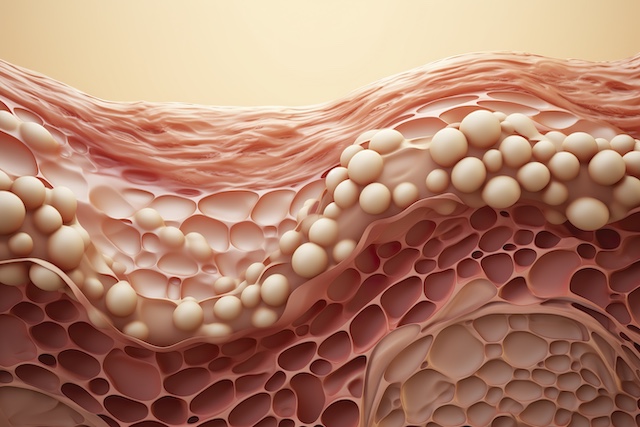
Scientists Identify the Biological Memory That Makes Obesity Relapse So Hard to Prevent
Key Takeaways:
- Researchers have identified a lasting biological change in fat cells – an “obesity memory” – that keeps the appetite-stimulating hormone asprosin elevated even after a person or animal has lost the excess weight.
- The same inflammatory signal can cross the placenta, programming a baby’s fat cells before birth and offering a molecular explanation for why obesity risk can pass from mother to child across generations.
- Blocking the asprosin pathway in mice prevented both weight regain after dieting and inherited obesity risk, suggesting a potential complementary target to use alongside or after GLP-1 receptor agonist treatment.
Two long-standing puzzles in obesity research
Two biological mysteries have resisted explanation for decades. The first is why almost everyone who loses weight eventually regains it, regardless of the method used to lose it. The second is why obesity is transmitted from mother to child at rates that diet and environment alone cannot account for. Scientists from the Harrington Discovery Institute at University Hospitals and Case Western Reserve University now believe they have identified the reason behind both.
In a study published in Cell Reports, the research team found that obesity produces a durable biological change within fat cells that keeps the hunger hormone asprosin elevated – a phenomenon the researchers describe as “obesity memory” – even once weight has been lost. The findings may help to explain why many people regain weight after dieting or after discontinuing GLP-1 medications, and why obesity risk can persist from one generation to the next.
An appetite signal stuck in the on position
“Imagine having an appetite-stimulating signal stuck in the ‘on’ position day after day, despite losing weight,” explained Atul Chopra, M.D., Ph.D., senior author of the study, investigator and associate director of the Harrington Rare Disease Program at Harrington Discovery Institute at UH, and associate professor of medicine, genetics and genomics at Case Western Reserve University School of Medicine.
“Our findings suggest one reason weight regain can be so difficult to prevent after treatment ends. This same signal can also cross the placenta from mother to baby. The result is a child born with a programmed susceptibility to obesity. This may also explain why obesity became an epidemic and why the cycle has continued for generations.”
The observation that weight regain and intergenerational risk are near-universal features of obesity is not new. What has been missing is the underlying molecular explanation.
“These patterns have been observed for decades, but nobody knew the exact molecular mechanism that makes obesity so persistent or how it transmits across generations,” Chopra added. “We wanted to find the biological basis for that persistence.”
A switch that stayed on
The team began the study by looking for what turns up production of the hunger hormone asprosin in obesity. They identified an inflammatory signal, TGF-β1, as the trigger. The most striking result was that only a brief exposure to that signal was required to create a lasting change, one that persisted for weeks after the signal itself had disappeared.
“It was like flipping a light switch that stays on even after you remove your finger,” Chopra said. “Even after mice lost all the excess weight and TGF-β1 returned to normal, this switch in their fat cells remained flipped, keeping asprosin and appetite elevated.
“This gives us a molecular explanation for why GLP-1 drugs, which suppress appetite while you take them, cannot fix the underlying biological memory that drives hunger back up once treatment ends. This same signal crosses the placenta and programs a baby’s fat cells before birth.”
In other words, the change in fat tissue is epigenetic rather than temporary. The cells retain a record of the obesity they were exposed to, and that record continues to drive hunger long after body weight has normalised.
What this means for GLP-1 therapy
The mechanism offers an explanation for a pattern already familiar to clinicians: people taking GLP-1 medications frequently regain weight once they discontinue treatment. The medication suppresses appetite for as long as it is taken, but it does not erase the epigenetic memory held in fat cells. When the pharmacological brake is released, the underlying appetite signal is still switched on.
This has practical implications for how GLP-1 therapy is planned, discussed and supported in practice, particularly around the point of discontinuation. Structured professional development in this area – such as the College of Contemporary Health’s GLP-1RA Therapy: The Complete Programme short course – can help clinicians set realistic expectations with patients from the outset and plan for the period after treatment ends, rather than treating regain as an unexpected failure.
Pharmaceutical companies are actively searching for ways to help people maintain weight loss once treatment stops. The new findings identify a potential complementary target: a pathway that may sustain the biological drive towards regain after weight reduction.
Blocking asprosin changed the outcome
The researchers also tested what happened when the asprosin pathway was interrupted in mice, from the gene that produces the hormone through to the receptor in the brain that responds to it. Blocking this pathway prevented both weight regain after dieting and the inherited obesity risk passed to offspring.
That result points towards new therapeutic strategies aimed directly at the relapse problem that drug developers are currently trying to solve.
Evidence beyond a single laboratory
The study was deliberately designed to test its central observation outside the laboratory that made it. A separate laboratory led by Seth J. Field, M.D., Ph.D., independently reproduced the key persistence finding. Field is director of physician-scientist programs and chief scientific officer at the Harrington Discovery Institute at UH and a professor at Case Western Reserve School of Medicine.
Analyses of publicly available mouse and human datasets produced further supporting evidence. Additional human research is still needed, but the convergence across separate laboratories and independent datasets strengthens the case that this mechanism warrants serious investigation.
A message for clinicians
Chopra said the central message for clinicians is that obesity relapse is not a failure of willpower or discipline. It is driven by a durable biological memory written into fat tissue, which sustains hunger long after the weight has come off.
“We need to treat obesity as a condition that leaves lasting biological scars, not just a temporary state of excess weight,” he said.
Framing obesity in these terms has consequences for how conversations with patients are conducted. If regain reflects a persistent biological signal rather than a lapse in personal effort, then the clinical focus shifts towards long-term management and realistic planning for the period after active treatment.
Turning to human trials
The critical next step is translating these findings into people. The researchers plan to confirm that the same epigenetic memory operates in human fat tissue after weight loss, and to test whether therapies that block asprosin, or that reset these epigenetic marks, can prevent weight regain in people.
“Given the need for durable obesity treatments, we are interested in whether asprosin-blocking therapies could be used alongside or after GLP-1 treatment to prevent rebound,” Chopra concluded.
CCH insight
This could be a very significant breakthrough in our understanding of weight regain and our ability to do something about it. We have known for a while that obesity results in a number of epigenetic changes in adipocytes (fat cells) which remain after weight loss, and are believed to drive weight regain, but we don’t yet have the technology to reverse these changes. By identifying asprosin as a major player in this drive to regain weight, we now have a very realistic target for new therapeutic strategies. There is a long way to go, but this could be a milestone in the battle against weight regain.
Research of this kind is changing how weight regain is understood and discussed in the consultation room. The College of Contemporary Health’s GLP-1RA Therapy: The Complete Programme CPD short course is designed for healthcare professionals who prescribe or support people using GLP-1 receptor agonists, including the practical questions that arise around initiation, ongoing support and discontinuation.
Explore GLP-1RA Therapy: The Complete Programme →
Read More
Maternal Fruit and Vegetable Intake Linked to Lower Childhood Obesity Risk
Key Takeaways:
- Higher maternal fruit and vegetable intake during pregnancy was associated with lower odds of overweight or obesity in children at four years of age.
- Commercial fruit juice intake was linked to higher odds of these outcomes, though the authors classed this as exploratory. Natural and total juice showed no association.
- The study was observational and relatively small, so it cannot establish cause and effect.
Why prenatal nutrition is under the spotlight
Maternal diet shapes offspring development from the earliest stages of gestation. A recent study published in the journal Nutrients reports that higher maternal fruit and vegetable intake during pregnancy was associated with lower odds of overweight or obesity in children at four years of age. In contrast, overweight and obesity were more common among children whose mothers reported higher intakes of commercial fruit juices, though not natural fruit juices. The authors were careful to frame this second result as exploratory.
Childhood obesity has risen steadily across the world over recent decades, and Spain records the second-highest prevalence among European nations. The associations between paediatric obesity and a range of adverse physical and psychosocial outcomes are well documented in the literature.
That trajectory has prompted growing interest in preventive strategies that begin before birth. Maternal diet during pregnancy is considered particularly influential because it helps determine the intrauterine environment and may shape fetal metabolic programming, with potential consequences for the child’s long-term risk of obesity.
Greater adherence to healthy dietary patterns in pregnancy has been associated with improved growth, reduced adiposity and a lower risk of childhood overweight and obesity. Such patterns are characteristically high in fruit and vegetable consumption. These foods deliver an abundance of essential vitamins, minerals, dietary fibre and bioactive compounds with antioxidant and anti-inflammatory properties.
There is also a postnatal dimension. Maternal dietary habits often persist after childbirth and may influence a child’s developing food preferences and consumption patterns through mechanisms such as parental modelling and early exposure to a wide range of flavours.
What was already known, and what was missing
Previous studies examining maternal fruit and vegetable (FV) consumption during pregnancy have focused largely on birth weight and infant growth up to six months of age. Fruit juice consumption during pregnancy has been linked inconsistently to offspring adiposity or overweight, and earlier work did not distinguish between natural and commercial fruit juices.
To the authors’ knowledge, no prospective study had comprehensively examined maternal consumption of fruit and vegetables alongside different types of fruit juice in relation to childhood overweight and obesity. The current study set out to examine these associations in children up to four years of age.
Study characteristics
The researchers drew on data from the ECLIPSES trial, a community-based study conducted in Spain. All participants were healthy pregnant women aged at least 18 years, with a gestational age of 12 weeks or less at recruitment.
This observational analysis included 252 women from the trial who had provided dietary data via a food frequency questionnaire at 12, 24 and 36 weeks of pregnancy, together with information on the overweight or obesity status of their four-year-old children born from the index pregnancy.
Participants included in this analysis had higher educational attainment and were older than those who were not included. Within the sample, 24.6% of children were living with overweight or obesity.
Average maternal intakes were approximately 119 g/day for fruit and 74.5 g/day for vegetables. Fruit juice consumption averaged 105 g/day, with natural fruit juice accounting for 55% of that total.
Findings: fruit and vegetables
Greater maternal fruit and vegetable intake was inversely associated with overweight or obesity in the offspring when the highest tertile of intake was compared with the lowest. However, when fruit and vegetables were examined separately, neither showed an independent association with the children’s weight outcomes.
Findings: fruit juice
Neither total nor natural fruit juice consumption was associated with overweight or obesity in the offspring. Commercial fruit juice intake, by contrast, was linked with higher odds of these outcomes. The authors treated this as an exploratory finding, because multiple correlated dietary exposures and comparisons were evaluated.
It is important to note how the category was defined. “Commercial fruit juice” was a broad grouping that encompassed all commercially produced or packaged juices regardless of added sugar, including 100% packaged juice, juice from concentrate, nectars and fruit drinks. These subtypes were not analysed separately.
Sensitivity analyses produced broadly similar estimates to the primary results. None of the associations reached statistical significance when intake was modelled continuously in 100 g/day increments, and no evidence of departure from linearity was observed.
Biological pathways the authors propose
These findings add to a growing body of evidence suggesting that maternal diet in pregnancy may influence offspring health. The authors postulate that the rich antioxidant and anti-inflammatory content of fruit and vegetables, stemming from multiple bioactive compounds, may reduce oxidative stress and systemic inflammation while helping to regulate metabolic pathways.
The abundant dietary fibre in fruit and vegetables, coupled with their typically low glycaemic load, may also support glucose regulation during pregnancy. The authors are explicit that these mechanisms are biologically plausible but cannot be proved by the findings of the current study.
The role of family eating patterns after birth
Postnatal family eating patterns may also help explain the observed relationship. Relevant factors include a child’s exposure to fruit and vegetables in early childhood, the home food environment and parental example. Previous studies have reported higher fruit and vegetable intake in early childhood where maternal diet during pregnancy was of higher quality.
This hypothesis could not be tested in the present analysis, as the children’s dietary intake was not followed up and no information on the home food environment was available.
Why commercial juice may behave differently
The authors offer several possible explanations for the association between maternal commercial fruit juice consumption in pregnancy and overweight or obesity in childhood. A previous compositional analysis cited by the authors reported higher sucrose and total carbohydrate contents in commercially available juices than in natural juices. Prenatal exposure to sweet flavours may also influence the development of taste preferences for sweet foods after birth.
In addition, commercial fruit juice consumption during pregnancy might act as a marker of a broader family lifestyle pattern that affects a child’s risk of obesity. As with the proposed biological mechanisms, none of these hypotheses were tested in the study.
For practitioners working with families in this space, the interplay between prenatal nutrition, the early home food environment and later weight trajectories is precisely the territory covered by The College of Contemporary Health’s CPD short course Childhood Obesity Essentials, which supports clinicians in translating this kind of evidence into everyday practice.
Limitations
The observational nature of the study precludes causal inference. Residual confounding from maternal, family and postnatal infant or child factors also remains possible.
The results were not adjusted for gestational diabetes, paternal BMI, family socioeconomic status, or the child’s dietary and physical activity profile. Longitudinal data on the children’s dietary intake up to age four were unavailable.
A high rate of loss to follow-up from initial recruitment produced notable differences in maternal age and educational level between the initial and final samples, which may have introduced selection bias. Self-reported dietary intake is a further potential source of error.
The relatively small number of overweight and obesity cases increased the risk of statistical overfitting, and the multiple correlated dietary comparisons mean that chance findings cannot be ruled out, particularly in relation to commercial fruit juice.
Finally, the findings may not be generalisable to other populations.
Conclusion
The study found that higher maternal fruit and vegetable consumption was associated with lower odds of overweight and obesity in children at four years of age. An exploratory analysis further suggested that higher maternal consumption of commercial fruit juice was associated with higher odds of these outcomes.
Given the observational design, the study cannot establish causality and should not be taken as support for specific dietary interventions. Future research should follow up children within larger cohorts while adjusting for the wider range of maternal, family and child-related factors that could shape this association. The underlying pathways also remain to be elucidated.
CCH insight
Evidence on early-life determinants of weight is developing quickly, and the practical questions it raises – how to discuss nutrition in pregnancy, how to support families without stigma, and how to use people-first language with confidence – arrive in clinic long before the science is settled.
Childhood Obesity Essentials is a CPD short course from The College of Contemporary Health designed for healthcare professionals who support children, young people and their families. It offers a grounding in the contemporary evidence base and the communication skills needed to apply it sensitively.
Explore Childhood Obesity Essentials →
Read More
Blueberry Compound Helps Muscle Cells Burn Stored Fat by Protecting a Key Protein
Key Takeaways:
- Researchers in Japan have identified pterostilbene, a polyphenol found in blueberries, grapes and other berries, as a dietary compound that reduces abnormal fat accumulation inside cultured skeletal muscle cells.
- The compound works through an unexpected route: rather than switching on the fat-burning receptor PPARδ directly, it protects the PPARδ protein from being broken down, leaving more of it available inside the cell.
- The findings are currently limited to molecular experiments in cultured mouse muscle cells, so they do not yet show that pterostilbene can prevent or treat metabolic conditions in animals or in people.
Why fat inside muscle matters
Excess fat stored inside skeletal muscle has become an important metabolic health concern. This type of fat buildup can be encouraged by high-fat diets, physical inactivity and ageing – three factors that are widespread in contemporary populations and that often occur together.
Crucially, fat held within muscle behaves differently from fat stored under the skin. Lipid droplets that accumulate inside muscle cells can interfere with normal muscle function and make it harder for the body to use glucose and fatty acids efficiently. Over time, this reduced metabolic flexibility can contribute to insulin resistance.
That connection is what makes fat inside muscle, known clinically as myosteatosis, more than a question of body composition. Finding ways to limit excess fat inside skeletal muscle could be important for supporting healthy ageing and reducing the risk of lifestyle-related disease.
One pathway plays a particularly important role in this process: peroxisome proliferator-activated receptor δ, usually shortened to PPARδ. When PPARδ signalling is active, it promotes fatty acid oxidation and helps limit the accumulation of lipids inside cells. In other words, an active PPARδ pathway pushes muscle cells towards using fat as fuel rather than storing it.
That has made PPARδ an attractive target. Researchers have become increasingly interested in food-derived bioactive compounds that may influence this pathway, but exactly how these substances affect PPARδ has remained unclear – a gap that limits how confidently any such compound can be developed into a practical intervention.
A berry compound targets muscle fat metabolism
A research team in Japan led by Associate Professor Takakazu Mitani of Shinshu University has now identified pterostilbene as a natural dietary compound that can stabilise PPARδ and influence fat metabolism inside muscle cells.
Pterostilbene is a naturally occurring polyphenol found in blueberries, grapes and other berries. Previous research has linked the compound to beneficial metabolic effects in the liver and in adipose tissue, but scientists knew much less about how it might affect skeletal muscle. The new findings were published in Volume 83 of the journal Food Bioscience on 1 September 2026.
The team’s starting point was a therapeutic gap rather than a specific molecule.
“We currently lack approved treatments specifically targeting myosteatosis,” says Dr Mitani. “This critical gap led our team to screen food-derived compounds for natural, dietary interventions. During the screening, we identified pterostilbene and focused our investigation on uncovering its precise mechanism of action.”
Screening food compounds for fat reduction
To investigate potential natural approaches, the researchers tested a collection of food-derived phytochemicals using cultured C2C12 mouse skeletal muscle cells – a well-established laboratory model for studying how muscle cells develop and handle fuel.
The screen was designed around two requirements rather than one. The researchers examined whether the compounds could reduce abnormal fat accumulation inside the cells, and whether they could do so without interfering with normal muscle development. A compound that stripped fat from muscle cells at the cost of impairing the muscle itself would be of little practical value.
Among the compounds tested, pterostilbene produced the strongest reduction in intracellular lipid accumulation. Importantly, the treated muscle cells continued to grow and differentiate normally.
The next question was how the reduction was being achieved. Broadly, a compound could lower fat inside a cell either by blocking fat from getting in or by increasing the rate at which stored fat is broken down. Further experiments showed that pterostilbene did not work by preventing fatty acids from entering the muscle cells. Instead, the researchers detected increased release of glycerol outside the cells, which is an important sign that stored fat is being broken down.
The treated cells also showed greater expression of genes involved in fatty acid oxidation – the process by which fatty acids are actually consumed for energy. Together, these results suggest that pterostilbene encourages muscle cells to break down stored lipids and process them for energy, rather than simply keeping fat out.
Protecting a key fat metabolism protein
The researchers then investigated the molecular mechanism behind these effects and found that pterostilbene significantly increased PPARδ signalling.
The way it accomplished this was unexpected. Many experimental compounds designed to stimulate PPARδ work by binding directly to the receptor and activating it, in the manner of a conventional drug acting on its target. Pterostilbene appeared to operate differently.
Instead of directly activating PPARδ, the compound increased the amount of PPARδ protein present inside the cells. It did this by preventing the protein from being broken down through the ubiquitin-proteasome pathway, the cell’s main route for tagging proteins for disposal and recycling them.
By slowing the degradation of PPARδ, pterostilbene allowed more of the protein to remain available inside the cell. This stabilisation increased PPARδ transcriptional activity and boosted the activity of genes involved in lipid metabolism.
Why the mechanism matters
Identifying the mechanism does more than explain a single result. It sets out a route that other researchers can follow, and Dr Mitani frames the work in exactly those terms.
“Our findings establish a scientific framework for developing functional foods and nutritional supplements that target muscle fat metabolism. However, beyond the potential of pterostilbene itself, this work provides an experimental framework for identifying other natural compounds that can stabilize the PPARδ protein,” mentioned Dr Mitani.
For healthcare professionals, questions about the role of specific dietary components in metabolic health arrive regularly in consultations, often well ahead of the evidence needed to answer them. Interpreting that evidence and translating it into practical dietary conversations is covered in CCH’s CPD short course Nutrition & Weight Management Essentials.
Potential implications for metabolic health
With metabolic diseases becoming increasingly common worldwide, the findings provide a starting point for studying dietary approaches that could eventually contribute to strategies for obesity, type 2 diabetes and age-related metabolic decline.
However, the results are still limited to molecular experiments in cultured mouse muscle cells. They do not yet demonstrate that pterostilbene can prevent or treat these conditions in animals or in people.
Even so, the researchers say the compound could serve as a promising candidate bio-ingredient for the food and healthcare industries as they explore new functional products aimed at muscle fat metabolism.
What still needs to be established
Additional in vivo research will be necessary to determine whether the effects translate beyond cultured cells. Future studies will also need to evaluate effectiveness, safety, and how selectively pterostilbene acts on its intended biological targets before the findings can be developed into practical nutritional or pharmaceutical applications.
Until that work is done, the most accurate description of pterostilbene is a well-characterised laboratory finding with a clearly mapped mechanism – valuable as a foundation for further research, but not yet a basis for dietary or clinical recommendations.
CCH insight
Conversations about diet, body composition and metabolic health are a routine part of practice, and people living with obesity or type 2 diabetes often ask about specific foods and supplements long before the research is settled. The Nutrition & Weight Management Essentials CPD short course from The College of Contemporary Health equips healthcare professionals to appraise nutritional evidence and apply it in everyday practice.
Explore Nutrition & Weight Management Essentials →
Read More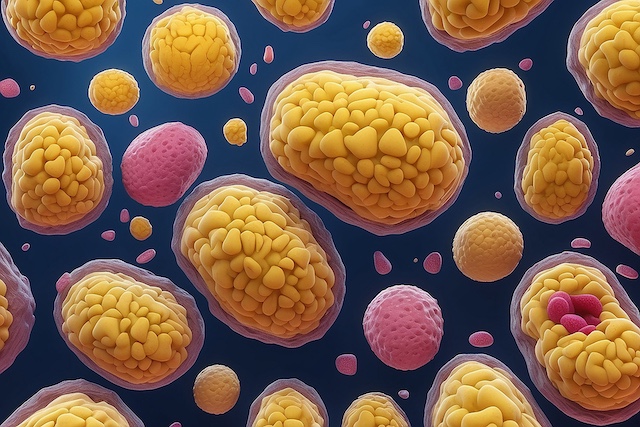
Immune Cells May Keep a Biological Memory of Obesity
Key Takeaways:
- Mice lacking a protein called CWC22 in their fat tissue immune cells struggled to lose weight on a reduced-fat diet.
- Over half of the obesity-related genetic changes in these cells persisted after weight loss, suggesting a biological “memory” of obesity.
- Correcting one of those changes restored normal cell function and helped the mice shed fat again.
Why weight loss can become harder after obesity
According to the World Health Organization, one in eight people worldwide lives with obesity. Yet despite the volume of health education programmes, books, articles and treatments available, many people continue to find weight loss extremely difficult once obesity has developed. Precisely why the body resists losing weight, and why lost weight is so often regained, remains a complex puzzle for researchers.
A new study published in the journal Science Translational Medicine may offer part of the answer. The research points to changes in a particular type of immune cell known as an adipose tissue macrophage (ATM). In mice, these changes appeared to make weight loss harder, because the cells seem to carry a biological “memory” of obesity that outlasts the obesity itself.
What the researchers did
Researchers from several institutions across Japan set out to study ATMs directly. These immune cells help regulate fat tissue health in a number of ways, one of the most important being the safe removal of dying cells from the tissue.
The team fed laboratory mice a high-fat diet for 12 weeks until the animals developed obesity, then switched them to a low-fat diet for a further six weeks. When they compared the animals, they noticed a pattern: the mice that lost the least weight after the dietary switch had lower levels of a protein called CWC22 in the nucleus of their ATM cells. This suggested that CWC22 might play a role in helping the body shed weight.
To test that idea, the researchers genetically modified a group of mice so that they lacked the CWC22 gene in a group of immune cells that includes macrophages. Under normal circumstances, CWC22 helps cells splice messenger RNA, the editing process that RNA undergoes before it is used as a template to make proteins.
A clean-up failure in fat tissue
When the modified mice were placed on a weight-loss diet, they struggled to shed fat. Their ATMs could not clear away dead cells effectively, and as a result dead cells accumulated in the fat tissue.
Closer analysis of these immune cells revealed the mechanism. The absence of the Cwc22 gene caused a splicing error involving a gene called Scarb1. Because of that error, the macrophages destroyed their own clean-up receptors before those receptors could reach the cell surface, leaving the cells without the tools they needed to do their job.
The knock-on effect involved a chemical messenger. Because the macrophages were less able to clear dead cells, they released less inosine. Inosine normally acts as a signal instructing fat cells to break down their stored fat, so with less of it available, fat breakdown was impaired.
A memory that persists after weight loss
Perhaps the most striking finding concerned how long these changes lasted. The research team found that 51.9% of the genes showing obesity-induced RNA splicing changes in these immune cells remained altered even after the animals had lost weight.
In other words, the immune cells retained a biological record of the period of obesity, including alterations that continued to impair their normal clean-up duties long after the diet had changed.
“These findings reveal that aberrant alternative splicing in macrophages underlies resistance to postobesity weight loss,” commented the study authors in their paper.
Rewriting the memory
Encouragingly, at least one component of that memory appears to be reversible. When the scientists corrected the Scarb1 splicing error using a synthetic genetic patch, the clean-up receptors were restored. This in turn increased the amount of inosine available and helped the mice to lose fat once again.
“Our study suggests that specific alternative splicing events can shape macrophage phenotypes under defined environmental conditions.”
What this could mean for people living with obesity
The findings may eventually help inform treatments for people who struggle to lose weight after developing obesity. When the team analysed human tissue samples, they found abundant CWC22 in the nuclei of immune cells taken from people who were lean, but reduced levels in samples from people living with obesity. That parallel between the mouse and human findings is what makes the work potentially translatable.
It is worth keeping the limitations in view. The functional experiments were carried out in mice, and the human element of the study was limited to tissue analysis rather than any test of treatment. No synthetic genetic patch has been trialled in people, and there is a considerable distance between correcting a splicing error in a mouse model and offering a therapy in clinical practice.
Even so, the study adds to a growing body of evidence that weight regain is not simply a matter of behaviour or willpower. Biological adaptations in fat tissue, appetite regulation and now immune cell function all appear to work against sustained weight loss. Clinicians who want to explore these mechanisms and their practical implications in more depth may find it useful to look at structured CPD, such as the College of Contemporary Health’s Obesity Essentials short course, which covers the biological, clinical and behavioural drivers of obesity and weight management.
For people living with obesity, findings like these carry a useful message: the difficulty of maintaining weight loss has measurable biological underpinnings, and understanding them may in time lead to better-targeted support.
CCH insight
Understanding why the body resists weight loss is central to supporting people living with obesity well. Our Obesity Essentials CPD short course explores the physiology, clinical management and behavioural dimensions of obesity, giving healthcare professionals a grounded, evidence-informed basis for the conversations they have every day.
Read More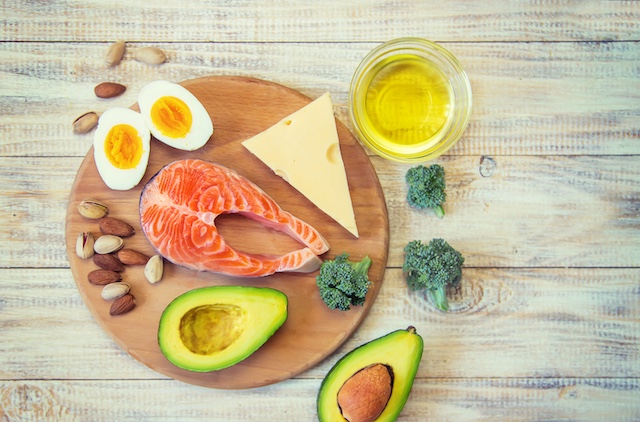
Ketogenic Diet Cut Liver Fat by 67% in a Randomised Trial
Key Takeaways:
- People with obesity who followed a ketogenic diet reduced their liver fat by an average of 67%, compared with an average reduction of 45% in both the Mediterranean and low-fat plant-forward groups – even though all three groups lost a comparable amount of weight.
- Around half of the participants following the ketogenic diet no longer met the criteria for prediabetes by the end of the study, compared with 29% in the Mediterranean group and 7% in the plant-forward group.
- Despite obtaining 73% of their calories from fat, participants in the ketogenic group showed no increase in blood fat or cholesterol levels, alongside the largest rise in glucagon and the steepest fall in blood insulin of the three groups.
Carbohydrate restriction appeared to add benefits beyond weight loss
A very low-carbohydrate, high-fat diet may deliver stronger metabolic benefits for people with obesity than either a Mediterranean diet or a low-fat diet, according to a clinical trial published on 27 August in the Cell Press journal Cell Metabolism. After four to five months on a ketogenic (or “keto”) diet, about half of the participants with obesity and prediabetes no longer met the criteria for prediabetes.
“We know weight loss can improve metabolic health in people who are obese,” says Samuel Klein, the study’s corresponding author at Washington University School of Medicine in St. Louis, Missouri. “Our data suggest that if you have high liver fat content and prediabetes, reducing carbohydrate intake can have important therapeutic effects on metabolism beyond just weight loss alone.”
The distinction matters clinically. Weight loss itself is known to improve metabolic markers, so the open question has been whether the composition of a diet contributes anything further once the amount of weight lost is held constant. This trial was designed to test exactly that.
Comparing three widely used weight loss diets
An estimated 40% of adults in the United States have obesity. Doctors often recommend low-fat, low-carbohydrate or Mediterranean diets for weight loss, but researchers have not known whether one approach provides extra metabolic advantages beyond the effects of losing weight.
The three diets differ sharply in how much carbohydrate and fat they provide:
- A low-carbohydrate diet, also known as the Atkins or ketogenic diet, greatly restricts carbohydrates. A ketogenic diet can include foods rich in saturated fat, including animal products.
- A low-fat diet, by contrast, can obtain as much as 70% of its energy from carbohydrates.
- A Mediterranean diet emphasises plant-based foods such as vegetables, olive oil and nuts, along with moderate amounts of fish and dairy.
To compare their effects, Klein and his colleagues enrolled 42 people with obesity, prediabetes and fatty liver disease in a clinical trial. Participants were randomly assigned to follow a ketogenic diet, a Mediterranean diet, or a low-fat, plant-forward diet. The research team supplied all of their food, and participants met with a dietitian every week to help them stay on their assigned eating plan.
That level of support is worth noting. Providing every meal and offering weekly dietetic contact removes much of the adherence variability that undermines free-living diet studies, which strengthens confidence that the differences observed between groups reflect the diets themselves rather than differences in how closely people managed to follow them.
Matching weight loss across the three groups
The ketogenic diet supplied just 4% of calories from carbohydrates and 73% from fat. In the Mediterranean group, 50% of calories came from carbohydrates and 35% from fat. The plant-forward diet provided 70% of calories from carbohydrates and 15% from fat.
Researchers adjusted calorie intake for each person so that participants in all three groups would lose about 10% of their body weight. Reaching that target took roughly four to five months.
By the end of the study, participants in every diet group had significantly reduced their body fat. Insulin sensitivity also improved across all three groups, helping the body control blood sugar more effectively. In other words, all three approaches worked – the question was whether any of them worked better than the others once weight loss was equalised.
The ketogenic diet produced the largest fall in liver fat
Despite similar weight loss, the ketogenic diet produced the strongest changes across several measures of liver and metabolic health. Liver fat fell by an average of 67% among people following keto, compared with an average reduction of 45% in both the Mediterranean and plant-forward groups.
The researchers also tracked participants’ metabolism over a 24-hour period by repeatedly analysing their blood. People in the ketogenic group showed the largest rise in glucagon, a hormone that helps reduce fat stored in the liver. They also had the greatest decline in blood insulin levels, another change that can help lower liver fat, compared with participants following the other two diets.
Together, the hormonal findings offer a plausible mechanism for the liver fat result: lower circulating insulin and higher glucagon both shift the liver away from storing fat, and both are the expected consequence of sharply restricting carbohydrate intake.
Blood fats did not rise on the highest-fat diet
One of the more counter-intuitive results concerned the lipid profile of the ketogenic group, whose diet contained by far the most fat and could include saturated fat from animal products.
“The most surprising finding was that participants in the ketogenic diet group didn’t experience an increase in blood fat or cholesterol levels despite consuming the most fat,” says Max Petersen, the study’s first author at Washington University School of Medicine.
Prediabetes improved most in the ketogenic group
After the weight loss intervention, about 50% of participants following the ketogenic diet no longer met the criteria for prediabetes. That compared with 29% of those on the Mediterranean diet and 7% of those following the plant-forward diet.
The researchers were careful to position dietary composition alongside, rather than against, current pharmacological options for people living with obesity.
“GLP-1-based medications have revolutionized the therapy of obesity. We now have a very effective pharmacotherapy for achieving significant weight loss,” Petersen says. “But in addition, our study shows that the specific composition of the diet can give you added benefits.”
What the findings mean for everyday practice
For healthcare professionals supporting people with obesity, prediabetes or fatty liver disease, the practical implication is that the content of a weight loss plan may deserve as much consultation time as the calorie target attached to it. Two people can lose the same 10% of their body weight and still arrive at meaningfully different liver fat and glycaemic outcomes.
This is the kind of nuance that clinicians increasingly need to be able to explain confidently in a short appointment, and it is a core focus of continuing professional development in nutrition. The College of Contemporary Health’s Nutrition & Weight Management Essentials CPD short course is designed for practitioners who want to strengthen their grounding in evidence-based nutrition and weight management before applying it in conversations with patients.
It is also worth keeping the study’s limits in view. This was a small trial of 42 people, conducted under closely controlled feeding conditions with weekly dietetic support and all food provided. Whether the ketogenic advantage persists in free-living conditions, over longer periods, and across broader populations remains to be established.
The research was supported by the National Institutes of Health and the Foundation for Barnes-Jewish Hospital.
CCH insight
Findings like these are only useful at the point where a clinician can translate them into a realistic, personalised plan with a patient. Nutrition & Weight Management Essentials is a CPD-accredited short course from The College of Contemporary Health, developed for healthcare professionals who want a practical, evidence-informed foundation in nutrition and weight management.
Explore Nutrition and Weight Management Essentials
Read More
Higher Coffee Intake Linked to Lower Visceral Fat and Greater Muscle Mass
Key Takeaways:
- Higher habitual coffee intake was associated with lower total and visceral fat and greater skeletal muscle mass, despite a similar BMI.
- Coffee intake was linked to lower branched-chain amino acids in both sexes, and to sex-specific differences in testosterone and SHBG.
- The study was observational, so it cannot show that drinking coffee caused any of the differences identified.
A familiar drink with poorly understood biology
Coffee is consumed around the world every day, and earlier research has associated coffee drinking with a reduced risk of conditions including type 2 diabetes and cardiovascular disease. What has remained unclear is why. Scientists still do not fully understand the biological processes that might explain those connections, which has made it difficult to interpret the epidemiological signal.
New research from Finland now suggests that regular coffee consumption is associated with healthier body composition, favourable metabolic markers, and distinct patterns involving sex hormones in men and women.
What the researchers examined
Researchers at the University of Oulu analysed information from 2,264 people who were 46 years old and taking part in the Northern Finland Birth Cohort 1966. The team investigated how participants’ usual coffee intake related to circulating metabolites, indicators of cardiometabolic risk, and sex hormone levels.
Studying a single birth cohort at a single age has a particular advantage: it removes age itself as a source of variation, allowing differences between people with higher and lower coffee intake to stand out more clearly.
Lower body fat and greater muscle mass
People who consumed more coffee tended to have lower levels of both total body fat and visceral fat, along with greater skeletal muscle mass.
Notably, these differences appeared even though participants with higher and lower coffee intake had a similar body mass index (BMI). That detail matters clinically. BMI cannot distinguish fat mass from lean mass, or subcutaneous fat from the visceral fat that sits around the abdominal organs and carries the stronger association with cardiometabolic risk. Two people with an identical BMI may therefore have meaningfully different metabolic profiles, and in this cohort coffee intake tracked with that hidden difference rather than with weight itself.
A metabolic marker associated with diabetes risk
Higher coffee consumption was also associated with lower circulating concentrations of branched-chain amino acids in both men and women. When chronically elevated, these biomarkers have previously been associated with insulin resistance and a greater risk of developing type 2 diabetes.
This finding sits alongside the body composition results rather than separately from them, since visceral fat and insulin resistance are themselves closely linked.
Different hormonal patterns in men and women
Some of the clearest differences appeared among men. Greater coffee consumption was associated with a more favourable glucose-insulin profile, higher levels of total and bioavailable testosterone, and greater concentrations of sex hormone-binding globulin (SHBG). However, free testosterone and the free androgen index were modestly lower.
The hormonal associations were less extensive in women. Higher coffee consumption was mainly associated with increased SHBG and lower measures of free androgens.
The common thread across both groups was SHBG, the carrier protein that binds circulating sex hormones and influences how much is biologically available to tissues. Higher SHBG has itself been studied in relation to metabolic health, which makes it a plausible point of connection between the hormonal and cardiometabolic findings.
“Coffee is consumed by millions of people every day, yet we still know surprisingly little about how it relates to our metabolism and hormones. What stood out in our findings was a distinct hormonal signature that didn’t disappear even after we took into account BMI and lifestyle factors, with several of these associations differing between men and women,” says Luca Verroest, lead author of the study and Doctoral Researcher at the University of Oulu.
Why the hormonal findings could matter
The findings raise the possibility that hormonal pathways could help explain some of the previously observed relationship between coffee consumption and metabolic health.
Because the research was observational, however, it cannot establish that drinking coffee directly caused any of the biological differences identified in the study. People who drink more coffee may differ from those who drink less in ways the analysis could not fully capture, and the direction of any relationship cannot be determined from data collected at a single point in time.
For clinicians, the more immediately useful message concerns interpretation rather than advice. Findings of this kind reinforce how much a single anthropometric measure can conceal, and how dietary patterns, body composition, and endocrine markers interact when assessing cardiometabolic risk. Practitioners who want to strengthen that interpretive skill set often look to structured CPD such as the College of Contemporary Health’s Nutrition & Weight Management Essentials short course, which examines how dietary intake relates to body composition and metabolic health in everyday practice.
Finland as a study setting
The setting also makes the research especially relevant. Finland ranks among the world’s highest coffee-consuming countries, with average annual consumption of approximately 11.8 kilograms (26 pounds) per person. A population with high and widely varying intake offers greater statistical range than one in which most people drink little coffee at all.
What happens next
Researchers say the results offer a starting point for studies designed to determine whether coffee itself produces these biological changes and, if so, which compounds may be responsible. Scientists are currently investigating these questions using animal models, with the longer-term aim of moving towards human intervention studies.
Additional research will be necessary before the findings can be used to shape dietary recommendations. For now, the study contributes a mechanistic hypothesis rather than a change in practice.
The study, “Associations of habitual coffee intake with testosterone and cardiometabolic markers: the Northern Finland Birth Cohort 1966 study,” was published in the European Journal of Nutrition.
CCH insight
Body composition, dietary patterns, and metabolic markers rarely tell a complete story in isolation, and BMI alone can mask clinically important differences. The College of Contemporary Health’s Nutrition & Weight Management Essentials short course helps healthcare professionals interpret these measures together and apply nutritional evidence confidently in patient-facing practice.
Explore Nutrition & Weight Management Essentials →
Source: University of Oulu, Finland
Read More
Scientists Identify a Possible Biological Link Between Obesity and Alzheimer’s
Key Takeaways:
- Researchers at Houston Methodist have identified phosphatidylethanolamines (PEs) – a class of fat molecule found in cell membranes – as a possible biological link between obesity and Alzheimer’s disease.
- Obesity appears to increase levels of these molecules in body tissue, after which they are packaged into tiny particles that travel to the brain, disrupting communication between brain cells, weakening immune protection and encouraging amyloid proteins to accumulate.
- Restoring a healthier balance of PEs reduced disruption in lipid regulation and improved brain function and cognitive performance in models of Alzheimer’s disease, pointing to a possible target for future treatments.
Why researchers are looking beyond the brain
Alzheimer’s disease has long been studied as a condition of the brain itself, defined by the amyloid plaques and tangles found in brain tissue. A growing body of research, however, suggests that the disease may be influenced by biological changes taking place far beyond the skull. Metabolic health – and obesity in particular – is now emerging as a possible contributor to the processes that worsen the disease.
New findings from Houston Methodist add weight to that idea. The study examined how changes in body fat associated with obesity may send damaging signals to the brain, where they appear to interfere with the brain’s immune system and contribute to the biological damage linked to Alzheimer’s disease.
The team behind the study
The research was co-led by Stephen Wong, Ph.D., the John S. Dunn Presidential Distinguished Chair in Biomedical Engineering, and Li Yang, Ph.D., a research associate in the Chao Center for BRAIN at Houston Methodist. The findings were published in the journal Molecular Neurodegeneration.
Fat molecules may connect obesity and Alzheimer’s disease
At the centre of the work is a class of lipid, or fat molecule, called phosphatidylethanolamines, abbreviated to PEs. These molecules are found in cell membranes throughout the body, where they form part of the basic structure of every cell.
According to the study, obesity raises the amount of these molecules in body tissue. The PEs are then loaded into tiny particles that are capable of travelling through the body and reaching the brain – effectively carrying a metabolic signal from fat tissue to the central nervous system.
What happens once these particles reach the brain
Once inside the brain, these particles appear to do three things at once. They can interfere with communication between brain cells, they can weaken immune protection, and they can encourage amyloid proteins to accumulate. Amyloid buildup is one of the major biological features associated with Alzheimer’s disease.
That combination matters, because it suggests obesity is not simply sitting alongside Alzheimer’s risk as a separate problem, but may be actively feeding into the mechanisms that drive the disease.
“Obesity can change how signals travel to the brain,” Wong said. “The good news is that this may be something we can treat. Instead of looking at Alzheimer’s risk tied to obesity as just a metabolic problem, this research suggests we may be able to target the process that connects those changes to the brain.”
Restoring lipid balance improved brain function
The findings also suggest a possible direction for future treatments. When the researchers restored a healthier balance of PEs, they observed less disruption in lipid regulation.
Correcting the imbalance also improved brain function and cognitive performance in models of Alzheimer’s disease. Cognitive performance refers to abilities such as learning, memory, attention and problem solving – the domains most visibly affected as Alzheimer’s progresses.
Taken together, these results suggest that targeting the fat molecules themselves, or the pathway that carries them to the brain, could potentially reduce some of the damage associated with obesity and Alzheimer’s disease.
A growing public health challenge
The stakes are considerable. According to the Centers for Disease Control and Prevention, more than 6.5 million Americans are living with Alzheimer’s disease. That total is expected to rise to nearly 14 million by 2060.
Yang emphasised that a good deal more research will be required before treatments aimed at PEs can be tested as prevention or therapy in people. Even so, the findings introduce a possible strategy for intervening earlier in individuals whose metabolic health may place them at greater risk of Alzheimer’s disease.
What this may mean for practice
For healthcare professionals, work of this kind reinforces a message that has been building across obesity research for some years: excess weight is bound up with a wide range of downstream conditions through complex biological pathways, rather than existing in isolation. Understanding those pathways – and being able to discuss them sensitively with patients – is increasingly part of everyday clinical conversation. CCH’s Obesity Essentials CPD short course is designed with exactly that in mind, introducing the many factors that cause and contribute to obesity alongside the practical skills needed to assess and support people living with overweight and obesity.
It is worth being clear about the limits of the current evidence. The results described here come from laboratory models rather than clinical trials in people, and no PE-targeted treatment is close to being available. What the study offers is a plausible mechanism and a candidate target – both of which are needed before prevention strategies aimed at metabolic risk can be tested properly.
Study collaborators and funding
Other collaborators on the study include Li Yang, Jianting Sheng, Shaohua Qi, Zheng Yin, Michael Chan, Yuliang Cao, Hong Zhao, Zhihao Wan, Bill Chan, Ju Ahn, Xiaohui Yu, Matthew Vasquez and Shan Xu from Houston Methodist; Xianlin Han from the University of Texas, San Antonio; Weiming Xia from Boston University; and Willa Hsueh from Ohio State University.
The study was funded by grants from the Cure Alzheimer’s Fund, the T.T. and W.F. Chao Foundation, and the John S. Dunn Research Foundation.
CCH insight
Research linking obesity to conditions well beyond metabolic health is reshaping how clinicians talk to patients about weight. CCH’s Obesity Essentials online CPD short course gives healthcare professionals the knowledge and confidence to assess and manage overweight and obesity effectively, and to hold those conversations with compassion and clarity. The course takes 8–10 hours, is completed entirely online at your own pace, and carries 10 CPD hours plus a certificate of completion.
Read More