

GLP-1 RAs Improve Sleep Apnoea Outcomes in People With Obesity
Key Takeaways:
- GLP-1 receptor agonists (GLP-1 RAs) reduced the apnoea-hypopnoea index (AHI) by 5.7 to 21.9 events per hour across six meta-analyses, with tirzepatide achieving disease remission in 42% to 50% of adults with moderate to severe obstructive sleep apnoea (OSA) and obesity in the SURMOUNT-OSA trials.
- The benefits appear to be driven primarily by weight loss, including reductions in tongue fat and parapharyngeal adipose tissue, although emerging preclinical evidence points to possible weight-independent mechanisms.
- Continuous positive airway pressure (CPAP) still delivers greater AHI reductions, and the review authors position GLP-1 RAs as a complementary therapy rather than a replacement, best suited to people with a BMI above 30 who cannot tolerate CPAP and have obesity-related comorbidities.
A new treatment avenue for obesity-related sleep apnoea
GLP-1 RAs significantly improve outcomes for people living with both OSA and obesity, according to the findings of a review published in JAMA Otolaryngology–Head & Neck Surgery.
Obesity is common among people with OSA, yet until recently there were no medicines specifically aimed at treating excess body weight in this population. That changed towards the end of 2024, when the US Food and Drug Administration (FDA) approved tirzepatide for the treatment of moderate to severe OSA in adults with obesity. The approval was based on positive results from the phase 3 SURMOUNT-OSA trials.
In the recent review, researchers examined the effects of several medicines acting on the GLP-1 receptor in OSA, including tirzepatide, semaglutide, liraglutide, exenatide and retatrutide.
What the evidence shows
Data drawn from six previous meta-analyses showed that GLP-1 RA use reduced AHI by between 5.7 and 21.9 events per hour.
The SURMOUNT-OSA trials, which enrolled adults living with moderate to severe OSA and obesity, found that tirzepatide reduced AHI by approximately 20 to 24 events per hour compared with placebo. Participants also achieved an average weight loss of 18% to 20%.
Disease remission was achieved in 42% to 50% of these participants. In the trials, remission was defined as an AHI of fewer than 5 events per hour, or fewer than 15 events per hour in the absence of symptoms.
Weight loss as the main driver
According to the study authors, the benefits of GLP-1 RAs were primarily driven by weight loss. Studies have shown that these medicines reduce both tongue fat and parapharyngeal adipose tissue, each of which contributes to upper airway collapse.
The link between body weight and OSA severity is well established. Findings from the Wisconsin Sleep Cohort Study showed that a 10% increase in body weight was associated with a 32% increase in AHI, while the same degree of weight loss was associated with a 26% reduction in AHI.
Possible weight-independent effects
The authors also highlighted early research suggesting that GLP-1 RAs may influence OSA through mechanisms beyond weight loss.
“Emerging preclinical evidence has suggested potential weight-independent effects through carotid body [GLP-1] receptor modulation of chemosensitivity (affecting loop gain), leptin pathway interactions that are associated with upper airway neuromuscular control, and NLRP3 inflammasome suppression,” the study authors noted.
For healthcare professionals seeking to deepen their understanding of how these therapies work and where they fit within wider obesity care, The College of Contemporary Health’s GLP-1RA Therapy: The Complete Programme course explores this rapidly evolving class of medicines.
How GLP-1 RAs compare with CPAP
While medicines acting on the GLP-1 receptor are effective in treating OSA, their effects are more limited than those of CPAP, the established standard treatment. According to a previous umbrella review comparing OSA interventions, CPAP delivers greater AHI reductions, of approximately 31 events per hour compared with 22 events per hour for tirzepatide.
The review also identified further limitations of GLP-1 RAs, including:
- uncertainty about their impact on cardiovascular outcomes
- weight regain when treatment is stopped
- data suggesting that tirzepatide may not be cost-effective for treating OSA under commonly used thresholds
Positioning GLP-1 RAs in clinical practice
Rather than replacing existing treatments, the authors see GLP-1 RAs as one part of a broader management strategy.
“This review suggests that GLP-1 RAs offer otolaryngologists a disease-modifying adjunct for obesity-related OSA that is best positioned as complementary therapy alongside CPAP, preoperative optimization before upper airway surgery, or potentially to expand hypoglossal nerve stimulator candidacy,” the review authors said.
Who may benefit most
The authors advised that GLP-1 RAs are appropriate options for people with a body mass index (BMI) above 30 who have inadequate tolerance to CPAP and who are living with obesity-related comorbidities.
However, they noted that these medicines are not suitable for people without obesity, or for people whose OSA is primarily caused by anatomical obstruction or who have central sleep apnoea.
Disclosure: One author declared affiliations with biotech, pharmaceutical and/or device companies. Please see the original reference for a full list of the authors’ disclosures.
CCH insight
As GLP-1 RAs extend into new indications such as obstructive sleep apnoea, healthcare professionals need a clear understanding of the evidence, appropriate patient selection and the limitations of these therapies. GLP-1RA Therapy: The Complete Programme from The College of Contemporary Health helps clinicians stay up to date with this fast-moving area of practice.
Explore GLP-1RA Therapy: The Complete Programme →
Source: JAMA Otolaryngology–Head & Neck Surgery
Read More
Mounjaro May Switch On the Body’s Calorie-Burning Brown Fat, Mouse Study Suggests
Key Takeaways:
- A study in mice found that tirzepatide (Mounjaro) activates brown adipose tissue, a type of fat that specialises in using energy, and that this effect cannot be explained by reduced food intake alone.
- Unlike earlier drug-based attempts to activate brown fat, which were often hampered by side effects affecting the heart, tirzepatide shows cardiovascular benefits.
- The researchers stress that the findings come from mice and need to be confirmed in humans, but suggest they could pave the way for more personalised obesity treatment based on a person’s overall metabolic status.
Looking beyond appetite suppression
Tirzepatide has become an important treatment for obesity and related conditions such as type 2 diabetes, yet scientists are still working to understand exactly how it acts on the body. New research in mice now suggests that the drug may improve metabolism directly by activating brown adipose tissue, a form of fat that specialises in using energy rather than storing it.
According to the research team, the findings offer fresh insight into how tirzepatide works and could help shape the development of broader treatments for obesity and other metabolic disorders.
The study was led by Marion Peyrou, a Ramón y Cajal researcher at the Faculty of Biology and the Institute of Biomedicine of the University of Barcelona (IBUB), the Sant Joan de Déu Research Institute (IRSJD) and the CIBER in Physiopathology of Obesity and Nutrition (CIBEROBN).
A drug that targets two hormone receptors
Tirzepatide, the active ingredient in Mounjaro (also marketed as Zepbound), is approved for weight management in adults living with obesity, or with overweight alongside related health conditions. It is also approved for treating type 2 diabetes mellitus that is poorly controlled.
What sets tirzepatide apart from some other obesity medications is that it acts on the receptors for two hormonal factors at once: glucose-dependent insulinotropic polypeptide (GIP) and glucagon-like peptide-1 (GLP-1). This dual mechanism can lead to substantial weight loss, largely because the drug reduces how much a person eats.
For healthcare professionals supporting people who are prescribed tirzepatide and similar medicines, understanding these mechanisms is becoming increasingly relevant to everyday practice – an area explored in The College of Contemporary Health’s GLP-1RAs in Focus CPD course.
The researchers set out to establish whether tirzepatide also brings about metabolic changes that cannot simply be attributed to eating less.
How the study was designed
To answer this question, the team examined how the drug affected different fat deposits in an experimental mouse model, as this kind of detailed tissue analysis cannot readily be carried out in humans. Mice with obesity, which had been fed a high-fat diet, were treated with tirzepatide.
The researchers then compared these animals with a second group of mice that did not receive the drug but were given exactly the same amount of food. By matching food intake in this way, the scientists were able to separate the changes caused directly by tirzepatide from those that resulted from consuming fewer calories.
Tirzepatide activates brown fat
The analysis showed that tirzepatide activated brown adipose tissue. White adipose tissue mainly stores fat and tends to build up in people living with obesity, whereas brown fat specialises in using energy and “burning” the calories obtained from food.
“This activation is associated with an increased capacity to burn metabolic energy and with the production of batokines by brown adipose tissue, molecules that are beneficial for metabolism,” says Marion Peyrou.
The finding suggests that tirzepatide may influence metabolism in ways that go beyond the weight loss brought about by appetite suppression and reduced food intake.
“This drug not only reduces body weight, but also has beneficial effects on metabolism. Active brown adipose tissue ‘burns’ glucose and fat within the body, which would contribute to its positive effect not only in reducing body weight, but also in lowering blood glucose and fat levels, and improving metabolism,” the researcher points out.
Avoiding the pitfalls of earlier approaches
Scientists have long regarded brown fat activation as a potentially valuable strategy for treating obesity and other metabolic diseases. However, previous attempts to activate brown adipose tissue using drugs have frequently been unsuccessful because of unwanted side effects, particularly those affecting the heart.
“Tirzepatide, although it activates brown adipose tissue, does not have these negative effects; on the contrary, it shows cardiovascular benefits. If our findings are confirmed in humans, it would reinforce the importance of developing therapeutic strategies that not only reduce food intake but also increase energy expenditure and brown fat activation,” explains the researcher.
The results support the view that obesity treatments may be more effective when they act on several physiological processes at once, rather than focusing on appetite alone.
“This could help improve weight control and reduce associated disorders, such as type 2 diabetes and other metabolic disorders,” she adds.
Towards more personalised obesity treatment
A clearer understanding of how tirzepatide works could also influence how medicines in this class are prescribed in future.
“Identifying which patient profiles could benefit most, for example those with more compromised energy expenditure, would open the door to more personalised medicine, based not only on appetite or weight control, but also on overall metabolic status,” she emphasises.
Caution needed before applying the findings to people
The researchers are clear that because the findings come from mice, it cannot yet be assumed that tirzepatide acts in the same way in humans. Metabolism can differ considerably between the two species, as can the distribution of fat tissue and the way each responds to medications.
“As this is a study conducted on mice, we must be cautious, as there may be significant differences between species in terms of metabolism regulation, adipose tissue distribution and response to drugs. Therefore, we need more clinical evidence on the action of these drugs on fat in humans,” concludes Peyrou.
CCH insight
As research continues to reveal how dual GIP/GLP-1 receptor agonists such as tirzepatide act on the body – from appetite regulation to potential effects on energy expenditure – healthcare professionals need a confident, up-to-date understanding of these medicines to support the people in their care. The College of Contemporary Health’s GLP-1RAs in Focus CPD course offers a practical grounding in how these therapies work and how they fit into modern obesity and diabetes care.
Source: Biomedicine & Pharmacotherapy
Read More
Greater Weight Loss, More Side Effects: What GLP-1 RAs Mean for Women
Key Takeaways:
- Real-world studies show women treated with GLP-1 receptor agonists (GLP-1 RAs) report side effects such as headache, vomiting and dizziness more often than men, even though placebo-controlled trials suggest similar rates in both sexes.
- Women tend to lose more weight on GLP-1 RAs than men, while improvements in blood sugar control are comparable, possibly due to higher drug exposure, stronger suppression of food-motivated behaviours and interactions between GLP-1 signalling and oestrogen.
- The authors call for mandatory sex- and ethnicity-stratified trial reporting, more research across every stage of women’s lives, and equitable global access to genuine GLP-1 RAs, as nearly 80% of eligible adults live in low- and middle-income countries where access remains minimal.
A call to action on GLP-1 RA use in women
The second of a Series of papers presented at the Annual Meeting of the European Association for the Study of Diabetes (EASD) in Milan, Italy (28 September – 2 October), and published in The Lancet Obstetrics, Gynaecology & Women’s Health, examines the wide-ranging issues surrounding GLP-1 RA use in women.
The authors, including Professor Paul Franks of Lund University and Helsingborg Hospital, Helsingborg, Sweden, and Professor Claire Meek of the Leicester Diabetes Research Centre and Leicester NIHR Biomedical Research Centre, Leicester, UK, alongside colleagues, issue a call to action to strengthen the evidence base for GLP-1 RA use in women worldwide.
The global burden of obesity among women
The prevalence of obesity is estimated to be slightly higher among women than among men, and this difference varies according to socioeconomic status. A recent analysis by the Global Burden of Disease group estimated that, in 2021, the global prevalence of overweight or obesity was 46.7% in females and 43.4% in males. Projections for 2050 rise to 60.3% and 57.4%, respectively.
This gender gap is more pronounced in low- and middle-income countries (LMICs), with the largest gaps seen in sub-Saharan Africa and south Asia. By contrast, men in high-income countries can have higher prevalence rates. The trend is likely to continue in the coming decades and is linked to socioeconomic inequalities, highlighting how broader social barriers disproportionately affect women in many regions of the world.
Why women may lose more weight on GLP-1 RAs
Weight loss with GLP-1 RAs is greater in women than in men, yet improvements in blood sugar control are comparable between the sexes. Several mechanisms could explain this greater weight-loss efficacy in women:
- Higher systemic drug exposure has been observed in women, even after adjusting for body mass.
- Women treated with GLP-1 RAs may experience enhanced suppression of food-motivated behaviours and greater inhibition of palatable food intake.
- Pre-clinical studies have highlighted possible interactions between GLP-1 signalling and oestrogen.
Side effects and weight regain
Real-world studies comparing adverse event rates in women and men treated with these medications have found a higher overall frequency of reported side effects among women, including increased rates of headache, vomiting and dizziness. This contrasts with placebo-controlled trials, which suggest similar rates in both sexes. The authors therefore stress that more studies are needed to quantify side-effect profiles in women and to develop strategies to mitigate them.
It is also well established that weight can be regained rapidly after GLP-1 RA treatment is stopped. Regaining fat without regaining additional muscle raises concerns about longer-term health and physical function in women, and further research is needed to ensure these powerful medications support women’s wellbeing over the long term.
Mental health and psychiatric safety
Trial data to date support the overall psychiatric safety profile of GLP-1 RAs, while reinforcing the importance of individualised risk assessment. Careful, routine screening for depression, anxiety and eating disorders is recommended for people of both sexes, both before treatment begins and during follow-up.
For healthcare professionals prescribing or supporting people on these medications, The College of Contemporary Health’s GLP-1RAs in Focus course offers a grounding in GLP-1 receptor agonist therapy, helping clinicians approach treatment decisions, monitoring and patient conversations with confidence.
Affordability and access in low- and middle-income countries
Independent manufacturing estimates suggest that semaglutide, for example, could be produced for less than $1 per month’s supply in oral form and $5 per month as an injection. However, recent analyses across 99 countries indicate that nearly 80% of adults who meet clinical eligibility criteria for GLP-1 RAs live in LMICs, where access remains minimal. In many of these settings, retail prices exceed $90 per month, placing treatment beyond the reach of women who rely on publicly funded care or out-of-pocket payments.
Diverse populations and polyendocrine metabolic ovarian syndrome
The paper explores multiple areas in which GLP-1 RAs affect women’s health, and highlights the need for further research in each. For example, many women with type 2 diabetes in LMICs are lean, and the BMI threshold at which type 2 diabetes begins to develop is often lower than for people of European ancestry. As a result, significant weight loss could have a more pronounced impact on these women.
Polyendocrine metabolic ovarian syndrome (PMOS; formerly polycystic ovary syndrome) affects around 12% of women worldwide, with the highest rates in the eastern Mediterranean region and south-east Asia. Although weight loss leads to various health improvements in women with PMOS, GLP-1 RAs are not generally available or centrally funded for PMOS in most healthcare systems.
Research priorities across women’s lives
The authors conclude that extensive research into GLP-1 RA use in women is needed across a range of domains, including:
- mental health and eating disorders
- contraception, fertility and polyendocrine metabolic ovarian syndrome
- optimising pre-pregnancy health
- preventing complications
- safety during pregnancy and breastfeeding
- optimising health and body composition during menopause
- optimising cardiovascular health and preventing multimorbidity
- frailty and healthy ageing
The authors’ call to action
In their call to action, the authors say:
- “Women face the highest burden of obesity and its related complications, and should have access to high-quality, equitable, multidisciplinary obesity care worldwide”
- “Sex-stratified and ethnicity-stratified reporting of clinical trials related to GLP-1 receptor agonist use should be mandatory to facilitate future meta-analyses”
- “As the main users of GLP-1 receptor agonists and incretin-based therapies, women’s care should be guided by high-quality studies assessing their treatment’s efficacy and safety, specifically in conditions affecting women (eg, before, during, and after pregnancy)”
- “Existing access pathways to GLP-1 receptor agonists disadvantage women – to maximise the treatment’s benefits, companies, health-care funders, research funders, insurers, and policy makers should promote equitable access to high-quality, genuine GLP-1 RAs for women worldwide”
The authors conclude: “Tackling the global challenges in access to GLP-1 receptor agonists provides substantial opportunities to improve women’s health internationally. However, achieving equitable access will require coordinated action to strengthen supply chains, enhance regulatory vigilance against falsified and compounded products, and embrace innovative therapies – such as oral agents – that are stable, scalable, and potentially more affordable…Advancing women-centred obesity care demands targeted research, including trials inclusive of diverse ethnic groups, women of reproductive age, and LMIC populations, alongside women-focused cost-effectiveness and implementation studies.”
CCH insight
As GLP-1 RAs become central to obesity and diabetes care, understanding how they affect different groups, including women at different life stages, is increasingly important for safe, effective prescribing. Build your knowledge with our GLP-1RAs in Focus CPD course.
Explore GLP-1RAs in Focus – Why Drugs Like Ozempic Work →
Source: European Association for the Study of Diabetes
Read More
AI Analysis of 400,000 Reddit Posts Reveals Underreported Side Effects of GLP-1 Medications
Key Takeaways:
- University of Pennsylvania researchers used artificial intelligence to analyse more than 400,000 Reddit posts from nearly 70,000 users discussing semaglutide and tirzepatide, identifying symptoms that may be underrepresented in clinical trials and official regulatory information.
- Reproductive symptoms, including menstrual irregularities, and changes in body temperature, such as chills and hot flashes, emerged as signals particularly worth investigating, alongside fatigue, which was the second most frequently reported complaint.
- The findings show associations in what people discussed online, not proof that GLP-1 medications cause these symptoms, but the researchers suggest “computational social listening” could become a fast, early detection system for emerging drug safety concerns.
Listening to patients at scale
Artificial intelligence is offering researchers a new way to hear what patients are saying about widely used GLP-1 medications. After analysing more than 400,000 Reddit posts, a team at the University of Pennsylvania identified several symptoms reported by people using semaglutide (Ozempic, Wegovy and Rybelsus) and tirzepatide (Mounjaro and Zepbound) that may not be fully reflected in clinical trials or official regulatory information.
The study, recently published in Nature Health, examined more than five years of posts from nearly 70,000 Reddit users. Two categories of symptoms stood out as particularly deserving of further investigation: reproductive symptoms, including changes to menstrual cycles, and problems relating to body temperature, such as chills and hot flashes.
Importantly, the findings do not establish that the medications caused these symptoms. Rather, the researchers say that this vast collection of spontaneous patient reports may reveal signals that merit closer examination.
“Some of the side effects we found, like nausea, are well known, and that shows that the method is picking up a real signal,” says Sharath Chandra Guntuku, Research Associate Professor in Computer and Information Science (CIS) at Penn Engineering and the study’s senior author. “The underreported symptoms are leads that came from patients themselves, unprompted, and clinicians could potentially pay attention to them.”
What patients report outside clinical trials
Clinical trials are designed to determine whether treatments work and to identify significant safety problems. However, they cannot necessarily capture every symptom that matters to patients once a medication is being used by a much larger and more varied population.
“Clinical trials generally identify the most dangerous side effects of drugs,” adds Lyle Ungar, Professor in CIS and a co-author on the study. “But they can fail to find what symptoms patients are most concerned about; even though social media is not necessarily representative, a large collection of posts may reflect additional concerns.”
This distinction is an important one. The study identified associations in what people discussed online, not evidence that GLP-1 medications were responsible for those experiences.
“We can’t say that GLP-1s are actually causing these symptoms,” notes Neil Sehgal, the study’s first author and a doctoral student in CIS advised by Guntuku and Ungar. “But nearly 4% of the Reddit users in our sample reported menstrual irregularities, which would be even higher in a female-only sample. We think that’s a signal worth investigating.”
Using social media as an early health signal
The idea of mining online conversations for clues about drug safety predates the current AI boom. In 2011, Ungar took part in one of the earliest efforts to use content created by internet users to identify possible adverse effects of medications.
Social media can capture experiences that patients discuss with one another but may never formally report to a doctor, drug manufacturer or regulator.
“Online patient communities work a lot like a neighborhood grapevine,” says Ungar. “People who are living with these medications are swapping notes with each other in real time, sharing experiences that rarely make it into a doctor’s office visit or an official report.”
Since then, online patient communities have grown enormously. This has made social media a potentially valuable source for understanding how medications affect people in everyday life, although gaining access to platform data has become more difficult.
The researchers emphasise that traditional clinical research remains essential, but online conversations can provide information far more quickly when millions of people begin using a medication.
“Clinical trials are the gold standard, but by design, they are slow,” says Guntuku. “This is not a replacement for trials, but it can move much faster, and that speed matters when a drug goes from niche to mainstream almost overnight.”
How AI makes large-scale analysis possible
One of the biggest obstacles to this kind of research has always been scale.
Guntuku describes the approach as “computational social listening”, which uses computational methods to identify patterns across large collections of online conversations about health.
Patients, however, rarely describe their symptoms using standardised medical terminology. One person might describe feeling unusually cold, another might mention constant chills, while a clinician could categorise both experiences using a specific medical term.
Researchers therefore need a way to translate everyday language into standardised categories. One important reference is the Medical Dictionary for Regulatory Activities (MedDRA), which provides terminology widely used to classify medical conditions, symptoms and adverse events.
Previously, matching vast numbers of informal social media posts to standardised medical terminology required an enormous amount of work, limiting how much data researchers could realistically analyse.
Large language models such as GPT and Gemini are changing that, allowing researchers to process and categorise huge volumes of text more quickly and consistently.
“Large language models have made it possible to do this kind of analysis much faster with a level of standardization that could be difficult to achieve before,” says Sehgal.
Unexpected symptoms emerge from 400,000 posts
The researchers stress that Reddit users do not represent the wider population of people taking GLP-1 medications. Reddit users tend to be younger, are more likely to be male and are disproportionately based in the United States.
Despite this limitation, the analysis produced a reassuring sign that the approach was detecting genuine patterns: many of the symptoms discussed by Reddit users closely matched the already known effects of semaglutide and tirzepatide.
Around 44% of users included in the study described at least one side effect. Gastrointestinal problems were the most common, consistent with the nausea and other digestive issues already associated with these medications.
More intriguing were symptoms that appeared frequently enough to attract the researchers’ attention but may not be as well represented in current drug labels or conventional adverse event reports:
- Reproductive symptoms: nearly 4% of users who reported side effects described reproductive symptoms, including changes to menstruation such as bleeding between periods, heavy bleeding and irregular menstrual cycles.
- Body temperature changes: users described chills, feeling unusually cold, hot flashes and symptoms resembling a fever.
- Fatigue: this was the second most frequently reported complaint in the Reddit data, even though relatively few clinical trials reported fatigue often enough for it to meet established reporting thresholds.
For healthcare professionals prescribing or supporting people using these medications, findings like these are a reminder of the value of asking open questions about how patients are feeling, beyond the side effects most commonly discussed. Clinicians wishing to build confidence in this area may find The College of Contemporary Health’s GLP-1RAs in Focus CPD course a useful way to deepen their understanding of these therapies and the conversations that surround them.
Why menstrual and temperature changes are of interest
One possible reason these reports caught the researchers’ attention involves the hypothalamus, a small but vitally important region of the brain. Among its many roles, the hypothalamus helps regulate hunger, hormones, reproduction and body temperature.
“These drugs are thought to work by engaging part of the brain called the hypothalamus, which helps regulate a wide variety of hormones,” says Jena Shaw Tronieri, Senior Research Investigator at Penn’s Center for Weight and Eating Disorders and a co-author of the study. “That doesn’t mean the medications are necessarily causing these symptoms, but it could suggest that reports of menstrual changes and body temperature fluctuations are worth studying more systematically.”
The researchers are not suggesting that this biological link proves GLP-1 medications are responsible. Instead, it provides a further reason to test these patient-reported patterns more rigorously through controlled research.
Turning online conversations into research leads
For now, the team hopes the results will encourage scientists and clinicians to pay closer attention to the symptoms that patients repeatedly discuss online.
“They’re clearly on patients’ minds, and that’s worth paying attention to,” says Sehgal.
The researchers also plan to extend their analysis beyond Reddit and beyond English-language communities. Doing so could help determine whether the same patterns emerge among different groups of people and across different social media platforms.
“We don’t really know yet whether what we’re seeing on Reddit reflects the experience of GLP-1 users globally, or whether it’s particular to the kind of person who posts on Reddit in the United States,” Ungar says.
An early warning system for emerging health concerns
In the longer term, rapid AI analysis of online patient conversations could become an early detection system for emerging health concerns involving medications, supplements and wellness products.
This could be especially valuable for substances that gain popularity online faster than conventional research can keep pace. Loosely regulated or unregulated products, including injectable peptides, can spread rapidly through communities on Reddit, TikTok and other platforms, meaning that discussions among users may offer some of the earliest indications of unexpected effects.
“The whole point of this kind of approach is that it can move quickly, and that’s exactly when it’s most valuable,” says Guntuku.
The study was conducted at the University of Pennsylvania School of Engineering and Applied Science. The authors report no outside funding. Tronieri reports receiving an investigator-initiated grant, on behalf of the University of Pennsylvania, from Novo Nordisk, and receiving consulting fees from Currax Pharmaceuticals, LLC. The other authors report no conflicts of interest.
CCH insight
As more people use GLP-1 medications, healthcare professionals are increasingly hearing about experiences that go beyond the most familiar side effects. Understanding how these therapies work, and how to have informed, supportive conversations with patients about what they are experiencing, is becoming an essential part of practice.
GLP-1RAs in Focus from The College of Contemporary Health is designed to help healthcare professionals strengthen their knowledge of GLP-1 receptor agonists and support patients with confidence.
Explore GLP-1RAs in Focus today →
Source: University of Pennsylvania School of Engineering and Applied Science
Read More
GLP-1 Medications Linked to Nutritional Deficiencies in Children and Young People, Study Finds
Key Takeaways:
- Nearly one in six children and young people (16.8%) prescribed GLP-1 medications for weight loss, prediabetes or type 2 diabetes were diagnosed with a nutritional deficiency within the first year of treatment, with vitamin D deficiency the most common (12.4%).
- Only 5% of patients received nutritional counselling within 30 days of starting a GLP-1 medication, and fewer than 25% received it within six months.
- Researchers are calling for proactive nutritional management from the outset of GLP-1 treatment in children, rather than waiting until a deficiency is diagnosed.
Nutritional risks during a critical stage of development
Children and young people prescribed GLP-1 medications for weight loss, prediabetes or type 2 diabetes are at risk of developing nutritional deficiencies, according to new research from scientists at Northwestern University and Ann & Robert H. Lurie Children’s Hospital of Chicago. The study found that nutritional deficiencies were diagnosed in nearly one in six patients (16.8%) within the first year of treatment.
Vitamin D deficiency was the most frequently identified, affecting 12.4% of children within one year of starting GLP-1 treatment.
The findings were recently published in the journal Childhood Obesity, in a study titled “Nutritional Deficiencies, Complications, and Nutrition Therapy/Counseling in Pediatric Patients Using GLP-1 Receptor Agonists.”
Why adolescence matters
The study’s senior author, Justin Ryder, associate professor of surgery and paediatrics at Northwestern University Feinberg School of Medicine and vice chair of research for the department of surgery at Lurie Children’s, emphasised the importance of understanding these risks as GLP-1 use in younger patients grows.
“As appropriate pediatric use of GLP-1s becomes more widespread, we need to understand the risks during periods of rapid growth and pubertal development,” said Ryder. “Nutrients such as vitamin D, iron and calcium are of particular concern during adolescence, when deficiencies may have lasting implications for skeletal health and overall development.”
A significant gap in nutritional support
Despite these risks, the research revealed that very few children received nutritional support after beginning treatment.
“Nutritional support needs to play a critical role once treatment with a GLP-1 medication is initiated,” he said. “In our study, however, we found that only 5% of patients received nutritional counseling within 30 days of GLP-1 treatment and less than 25% received nutritional counseling within 6 months.”
The gap highlights the need for healthcare professionals working with children and young people living with obesity to consider nutrition as an integral part of care from the moment treatment begins. Clinicians looking to strengthen their understanding in this area may find structured training, such as The College of Contemporary Health’s Childhood Obesity Essentials course, a valuable way to build confidence in supporting this patient group.
How the study was conducted
The researchers analysed national administrative claims data from 2017 to 2022, covering more than 100 million patients. From this dataset, they identified 2,031 young people aged 10–17 years who were using GLP-1 medications, met continuous enrolment criteria and had no prior diagnosis of a nutritional deficiency.
Within this sample, the most commonly prescribed GLP-1 medications were:
- Liraglutide (78.6%)
- Dulaglutide (10.4%)
- Semaglutide (9.1%)
A call for proactive nutritional management
The research team hopes the findings will encourage a shift towards preventive nutritional care for children and young people receiving GLP-1 treatment.
“We hope that our study findings bring much-needed recognition to the importance of proactive nutritional management when GLP-1s are prescribed to children, as opposed to waiting until a nutritional deficiency is diagnosed,” Ryder said. “Knowing the risks, we are in a much better position to prevent harm to children treated with GLP-1s during a pivotal period in their lives.”
Funding for the study was provided by Abbott.
CCH insight
As GLP-1 medications become more widely used in younger patients, healthcare professionals need the knowledge and skills to support children and young people living with obesity safely and holistically, including their nutritional needs during growth and development. Our Childhood Obesity Essentials CPD course is designed to help clinicians deliver confident, evidence-informed care for this patient group.
Explore Childhood Obesity Essentials and enrol today →
Source: Northwestern University
Read More
Beyond the Scales: New Research Asks Whether GLP-1 Medications Change Daily Life
Key Takeaways:
- A new National Bureau of Economic Research working paper found little evidence that GLP-1 medications produced measurable changes in mental health, self-rated health, employment or marital status among adults living with diabetes.
- Apparent differences between people taking the medications and those who were not largely disappeared once researchers followed the same individuals over time, suggesting the gaps reflected who takes these drugs rather than what the drugs do.
- The findings do not call the clinical value of GLP-1 medications into question: improved glycaemic control, weight loss and better physical health remain the clearest measurable benefits.
A familiar class of medicines, a less familiar question
GLP-1 medications such as Ozempic have reshaped the treatment of Type 2 diabetes. For many people, they help bring blood sugar under control, lower cardiovascular risk and produce substantial weight loss. Those outcomes are now supported by a large and growing body of clinical evidence, and they have made this class of medicines one of the most closely watched developments in contemporary healthcare.
What remains far less certain is whether those physical health improvements ripple outwards into the rest of a person’s life. Do they translate into better mental health? More stable employment? Stronger or more enduring relationships? Researchers are only beginning to test those assumptions, and the answers matter well beyond the consulting room.
What the researchers set out to examine
A new National Bureau of Economic Research working paper takes up precisely that question. The study was conducted by Robert Kaestner, an economist and research professor at the University of Chicago Harris School of Public Policy, alongside co-author Cuiping Schiman.
Among adults with diabetes, the researchers found little evidence that using GLP-1 medications produced measurable changes in mental health, self-rated health, employment or marital status.
“We know these drugs improve health outcomes, and there’s been a great deal of research documenting those benefits,” said Kaestner, a research professor. “What hadn’t really been examined was whether those improvements extended into other parts of people’s lives.”
Why the question matters for coverage decisions
The issue is becoming increasingly important as insurers and government programmes weigh up whether to broaden access to GLP-1 medications. The medical case is already well documented. What is far less clear is whether these treatments also generate social or economic gains that might strengthen the argument for wider coverage.
That distinction is not merely academic. If GLP-1 medications were shown to help people return to work, sustain relationships or experience meaningful improvements in psychological wellbeing, the calculation around funding and eligibility would look rather different. If they do not, decisions will continue to rest primarily on the clinical evidence.
How the study was designed
To investigate, Kaestner and Schiman drew on more than ten years of data from the Medical Expenditure Panel Survey, a nationally representative survey. Their analysis focused on adults with diabetes between 2012 and 2023.
Crucially, the researchers did not rely solely on comparing people who used GLP-1 medications with those who did not. Instead, they followed the same individuals over time. This within-person approach allowed them to observe whether a person’s circumstances actually changed after starting treatment, rather than simply noting how two different groups of people happened to differ.
The team examined several indicators of wellbeing, including symptoms of depression, psychological distress, self-rated health, employment and marital status.
At first glance, people taking GLP-1 medications did appear to differ from those who were not, particularly in relation to employment and marriage. Those differences, however, mostly disappeared once the researchers tracked changes within the same individuals over time.
That pattern points to an important interpretive lesson. The original gaps may well have reflected differences between the kinds of people who take GLP-1 medications and those who do not, rather than any effect caused by the medications themselves. It is a distinction that is easy to lose in headline findings, and one that clinicians are increasingly being asked to explain to the people in their care.
Few measurable changes outside physical health
The results held steady across different time horizons. Whether the researchers looked at people after roughly one year of GLP-1 use or followed them across a longer two-year period, the picture was much the same. In both cases, they found little evidence that taking the medications led to meaningful changes in the broader life outcomes they measured.
Kaestner was careful to stress that this is not the same as proving GLP-1 medications have no effects beyond physical health. Some changes may simply be more subtle, or harder to capture with the measures available.
“We measured outcomes like whether someone became employed or unemployed, whether they got married or divorced, and standard indicators of mental health,” he said. “Those are important measures, but they don’t necessarily capture changes in self-esteem, relationship quality, or other day-to-day experiences.”
In other words, the study was well placed to detect large, discrete shifts in a person’s circumstances. It was less able to register the quieter changes that people themselves often describe as the most significant: feeling more confident, moving through the world with greater ease, or relating differently to food and to other people.
The medical benefits remain well established
The researchers were equally clear that their findings do not undermine the medical value of GLP-1 medications. For adults with diabetes, Kaestner noted, the clearest measurable benefits remain those already demonstrated in clinical research, including improved glycaemic control, weight loss and better physical health.
This is the balance clinicians are increasingly asked to strike in practice: conveying genuine confidence in the clinical evidence while setting realistic expectations about what a medication can and cannot be expected to change. Practitioners looking to strengthen that footing often turn to structured CPD, such as the College of Contemporary Health’s GLP-1RAs in Focus short course, which examines the evidence base underpinning this class of medicines and how it translates into everyday clinical conversations.
A young and expanding field of research
As GLP-1 medications are prescribed more widely beyond diabetes, and become increasingly common in weight management, researchers will have far more opportunity to test whether broader social effects emerge in other populations or over longer follow-up periods.
“This is still a very new area of research,” he said. “As use continues to grow, understanding these broader consequences will become increasingly important for patients, clinicians, and policymakers alike.”
For now, the evidence suggests a more measured conclusion than the surrounding public conversation often implies. GLP-1 medications can meaningfully change a person’s physical health. Whether, and how, they change a person’s life is a question the research is only starting to ask.
CCH insight
Supporting people prescribed GLP-1 receptor agonists calls for a clear grasp of the evidence, including its limits. GLP-1RAs in Focus, a CPD-accredited short course from the College of Contemporary Health, is designed for healthcare professionals who want a confident, evidence-informed foundation in this rapidly developing area.
Source: University of Chicago Harris School of Public Policy
Read More
Scientists Identify the Biological Memory That Makes Obesity Relapse So Hard to Prevent
Key Takeaways:
- Researchers have identified a lasting biological change in fat cells – an “obesity memory” – that keeps the appetite-stimulating hormone asprosin elevated even after a person or animal has lost the excess weight.
- The same inflammatory signal can cross the placenta, programming a baby’s fat cells before birth and offering a molecular explanation for why obesity risk can pass from mother to child across generations.
- Blocking the asprosin pathway in mice prevented both weight regain after dieting and inherited obesity risk, suggesting a potential complementary target to use alongside or after GLP-1 receptor agonist treatment.
Two long-standing puzzles in obesity research
Two biological mysteries have resisted explanation for decades. The first is why almost everyone who loses weight eventually regains it, regardless of the method used to lose it. The second is why obesity is transmitted from mother to child at rates that diet and environment alone cannot account for. Scientists from the Harrington Discovery Institute at University Hospitals and Case Western Reserve University now believe they have identified the reason behind both.
In a study published in Cell Reports, the research team found that obesity produces a durable biological change within fat cells that keeps the hunger hormone asprosin elevated – a phenomenon the researchers describe as “obesity memory” – even once weight has been lost. The findings may help to explain why many people regain weight after dieting or after discontinuing GLP-1 medications, and why obesity risk can persist from one generation to the next.
An appetite signal stuck in the on position
“Imagine having an appetite-stimulating signal stuck in the ‘on’ position day after day, despite losing weight,” explained Atul Chopra, M.D., Ph.D., senior author of the study, investigator and associate director of the Harrington Rare Disease Program at Harrington Discovery Institute at UH, and associate professor of medicine, genetics and genomics at Case Western Reserve University School of Medicine.
“Our findings suggest one reason weight regain can be so difficult to prevent after treatment ends. This same signal can also cross the placenta from mother to baby. The result is a child born with a programmed susceptibility to obesity. This may also explain why obesity became an epidemic and why the cycle has continued for generations.”
The observation that weight regain and intergenerational risk are near-universal features of obesity is not new. What has been missing is the underlying molecular explanation.
“These patterns have been observed for decades, but nobody knew the exact molecular mechanism that makes obesity so persistent or how it transmits across generations,” Chopra added. “We wanted to find the biological basis for that persistence.”
A switch that stayed on
The team began the study by looking for what turns up production of the hunger hormone asprosin in obesity. They identified an inflammatory signal, TGF-β1, as the trigger. The most striking result was that only a brief exposure to that signal was required to create a lasting change, one that persisted for weeks after the signal itself had disappeared.
“It was like flipping a light switch that stays on even after you remove your finger,” Chopra said. “Even after mice lost all the excess weight and TGF-β1 returned to normal, this switch in their fat cells remained flipped, keeping asprosin and appetite elevated.
“This gives us a molecular explanation for why GLP-1 drugs, which suppress appetite while you take them, cannot fix the underlying biological memory that drives hunger back up once treatment ends. This same signal crosses the placenta and programs a baby’s fat cells before birth.”
In other words, the change in fat tissue is epigenetic rather than temporary. The cells retain a record of the obesity they were exposed to, and that record continues to drive hunger long after body weight has normalised.
What this means for GLP-1 therapy
The mechanism offers an explanation for a pattern already familiar to clinicians: people taking GLP-1 medications frequently regain weight once they discontinue treatment. The medication suppresses appetite for as long as it is taken, but it does not erase the epigenetic memory held in fat cells. When the pharmacological brake is released, the underlying appetite signal is still switched on.
This has practical implications for how GLP-1 therapy is planned, discussed and supported in practice, particularly around the point of discontinuation. Structured professional development in this area – such as the College of Contemporary Health’s GLP-1RA Therapy: The Complete Programme short course – can help clinicians set realistic expectations with patients from the outset and plan for the period after treatment ends, rather than treating regain as an unexpected failure.
Pharmaceutical companies are actively searching for ways to help people maintain weight loss once treatment stops. The new findings identify a potential complementary target: a pathway that may sustain the biological drive towards regain after weight reduction.
Blocking asprosin changed the outcome
The researchers also tested what happened when the asprosin pathway was interrupted in mice, from the gene that produces the hormone through to the receptor in the brain that responds to it. Blocking this pathway prevented both weight regain after dieting and the inherited obesity risk passed to offspring.
That result points towards new therapeutic strategies aimed directly at the relapse problem that drug developers are currently trying to solve.
Evidence beyond a single laboratory
The study was deliberately designed to test its central observation outside the laboratory that made it. A separate laboratory led by Seth J. Field, M.D., Ph.D., independently reproduced the key persistence finding. Field is director of physician-scientist programs and chief scientific officer at the Harrington Discovery Institute at UH and a professor at Case Western Reserve School of Medicine.
Analyses of publicly available mouse and human datasets produced further supporting evidence. Additional human research is still needed, but the convergence across separate laboratories and independent datasets strengthens the case that this mechanism warrants serious investigation.
A message for clinicians
Chopra said the central message for clinicians is that obesity relapse is not a failure of willpower or discipline. It is driven by a durable biological memory written into fat tissue, which sustains hunger long after the weight has come off.
“We need to treat obesity as a condition that leaves lasting biological scars, not just a temporary state of excess weight,” he said.
Framing obesity in these terms has consequences for how conversations with patients are conducted. If regain reflects a persistent biological signal rather than a lapse in personal effort, then the clinical focus shifts towards long-term management and realistic planning for the period after active treatment.
Turning to human trials
The critical next step is translating these findings into people. The researchers plan to confirm that the same epigenetic memory operates in human fat tissue after weight loss, and to test whether therapies that block asprosin, or that reset these epigenetic marks, can prevent weight regain in people.
“Given the need for durable obesity treatments, we are interested in whether asprosin-blocking therapies could be used alongside or after GLP-1 treatment to prevent rebound,” Chopra concluded.
CCH insight
This could be a very significant breakthrough in our understanding of weight regain and our ability to do something about it. We have known for a while that obesity results in a number of epigenetic changes in adipocytes (fat cells) which remain after weight loss, and are believed to drive weight regain, but we don’t yet have the technology to reverse these changes. By identifying asprosin as a major player in this drive to regain weight, we now have a very realistic target for new therapeutic strategies. There is a long way to go, but this could be a milestone in the battle against weight regain.
Research of this kind is changing how weight regain is understood and discussed in the consultation room. The College of Contemporary Health’s GLP-1RA Therapy: The Complete Programme CPD short course is designed for healthcare professionals who prescribe or support people using GLP-1 receptor agonists, including the practical questions that arise around initiation, ongoing support and discontinuation.
Explore GLP-1RA Therapy: The Complete Programme →
Read More
GLP-1 Prescribing in Under-12s Has Risen 310-Fold Since 2019
Key Takeaways:
- GLP-1 prescribing for US children aged 8 to 11 living with obesity rose 310-fold between 2019 and 2026, though overall numbers remain low.
- Most of those prescribed the medicines had severe obesity (93.7 per cent) and 65.2 per cent already had an obesity-related condition.
- Children in higher-income communities were 55 per cent more likely to receive a prescription, pointing to a widening access gap.
A first national picture of GLP-1 use in younger children
New research from NYU Langone Health has produced what its authors describe as the first national overview of how glucagon-like peptide-1 (GLP-1) receptor agonists are being prescribed to children under the age of 12 who are living with obesity in the United States.
The headline finding is one of rapid acceleration from a very low base. The number of US children under 12 living with obesity who were prescribed the weight loss medicines Saxenda, Wegovy and Zepbound remained low in June 2026 – but it was 310 times higher than in 2019, the year the medicines first began to be prescribed in this group.
The study was published online in the journal Pediatrics on 4 September.
What the researchers found
Among children aged 8 to 11 who were living with obesity and did not have diabetes, the proportion prescribed a GLP-1 receptor agonist increased from 0.03 per cent in 2019 to 9.3 per cent in 2026 – a 310-fold rise across a period of seven and a half years. Over that timeframe, 20,282 children aged 8 to 11 were prescribed a GLP-1 medicine.
The researchers also compared prescribing across age groups. GLP-1 medicines were less commonly prescribed to younger children living with obesity, aged 8 to 11, than to adolescents living with obesity, aged 12 to 17, at 0.6 per cent and 0.9 per cent respectively.
That age gradient persists even though clinical guidelines permit the use of these medicines for obesity in children from the age of 8. Girls were more likely than boys to receive a prescription.
An estimated 20 per cent of children in the US are living with obesity, defined as a body mass index (BMI) above the 95th percentile for children of the same age and sex, in the absence of diabetes – a well-recognised complication of the condition.
Who is being prescribed these medicines
The clinical profile of the children receiving GLP-1 medicines suggests that prescribers are, for the most part, reserving them for those with the greatest clinical need.
Most children prescribed a GLP-1 medicine had severe obesity (93.7 per cent), meaning their BMI was substantially higher than that of almost all other children of the same age and gender. Most (65.2 per cent) were also living with at least one illness linked to obesity, such as raised cholesterol, high blood pressure or sleep apnoea.
A further quarter of the younger children living with obesity who were prescribed GLP-1s had prediabetes, placing them at high risk of developing the condition most commonly associated with obesity.
Why the researchers see this as a valuable tool
Lead investigator and obesity medicine specialist Babak J. Orandi, MD, PhD, an associate professor in the Departments of Surgery and Medicine at NYU Grossman School of Medicine, framed the findings as both a snapshot and a signal.
“Our study offers the first national overview in young children of the use of GLP-1 drugs to fight the obesity epidemic in the United States and shows that while the absolute numbers of children under the age of 12 receiving GLP-1 treatment is still low, GLP-1 use is accelerating rapidly,” said Dr Orandi. “The careful use of GLP-1s remains a valuable tool in confronting the obesity epidemic among young Americans.”
Dr Orandi noted that GLP-1 medicines can be highly effective in treating obesity and improving its metabolic complications, supporting weight loss, better blood sugar regulation and appetite suppression.
Weighing the risks of treating and of not treating
The study team was explicit that the decision facing families is not a simple choice between risk and safety.
While parents may hesitate at the prospect of their child being prescribed one of these medicines, there are also long-term risks attached to withholding treatment from young children living with obesity. Those risks include the development of chronic conditions such as diabetes, high blood pressure and liver disease in early adulthood and middle age.
For clinicians supporting families through exactly this kind of conversation, the College of Contemporary Health’s CPD short course GLP-1RAs in Practice (Prescribing and Supporting) addresses the practical side of initiating and monitoring GLP-1 therapy, including how to discuss benefits, risks and expectations with patients and their families.
An emerging gap in access
Alongside the prescribing trend itself, the study surfaced a socioeconomic pattern that the authors treat as a warning sign.
Many young children living with obesity in upper-income communities were 55 per cent more likely to be prescribed GLP-1 medicines than those who were not.
Study co-senior author Allan B. Massie, PhD, an associate professor in the Departments of Surgery and Population Health at NYU Grossman School of Medicine, said that current prescribing patterns already show the beginnings of a growing divergence between those who do and those who do not have access to the medicines.
“Physicians and health policymakers alike have a responsibility to ensure, as use of GLP-1 medications continues to rise, that all young children with obesity who need these drugs have access to them and that these valuable and sometimes costly treatments become available to more than those who have access to health insurance and can afford to visit pediatric clinics,” said Dr Massie.
The case for long-term monitoring
Dr Orandi said that long-term monitoring of children prescribed GLP-1 medicines is needed to confirm that the drugs remain both safe and effective in this age group.
Clinical trials are already under way in children living with obesity from as young as 6 years of age. Dr Orandi said these will inform and offer guidance to physicians, policymakers and parents as the use of anti-obesity medicines continues to grow.
How the study was carried out
The team drew on Epic Cosmos, a national dataset built from the electronic health records of more than 300 million American patients. The dataset covers 2,067 hospitals and 47,100 health clinics that use Epic, the largest electronic health record vendor in the US. Epic had no role in conducting the study.
Funding, authorship and disclosures
Funding support for the study was provided by NYU Langone.
Alongside Dr Orandi and Dr Massie, the NYU Langone researchers involved as co-investigators were Suhani S. Patel, MPH; Mary Jo Messito, MD; Michal A. Mankowski, PhD; and Dorry L. Segev, MD, PhD.
Dr Orandi has served on an advisory board for the pharmaceutical company Boehringer Ingelheim. Dr Segev has received consulting and speaking honoraria from Sanofi, CareDx, Moderna, AstraZeneca, Roche, Optum, OrganOx, Hansa Biopharma and Biosidus, and is a journal editor for Springer. None of these activities relate to the current Pediatrics study. NYU Langone is managing the terms and conditions of these relationships in line with its policies and procedures.
What this means for practice
The picture emerging from this study is of a treatment moving quickly from the margins towards the mainstream in a younger age group than many clinicians and families may expect – and doing so unevenly. Prescribing appears to be concentrated among children with the highest clinical need, but also among those with the greatest access to care.
For healthcare professionals, that combination raises practical questions about assessment, shared decision-making with families, monitoring over long periods, and equity of access within their own services.
CCH insight
This study was carried out in the US, where GLP-1 medications are licensed for the treatment of children with obesity from the age of 8 upwards. The picture in the UK is somewhat different, with just liraglutide and semaglutide, as Victoza and Wegovy, licensed for the treatment of obesity in under-18s, and only from the age of 12. For many people, there is an instinct to object to the use of drugs to treat obesity in children, but with severe obesity rates growing in under-18s, and children presenting with obesity-related diseases and prediabetes, it is hard to argue against the careful use of GLP-1RAs in those with greatest need, to prevent further harm to their health.
Supporting children and families through GLP-1 therapy calls for confidence in both the pharmacology and the conversation. The College of Contemporary Health’s CPD short course GLP-1RA Therapy: The Complete Programme is designed for healthcare professionals who want a structured, evidence-based grounding in initiating, monitoring and supporting GLP-1 receptor agonist treatment – including how to set realistic expectations and manage long-term follow-up.
Explore GLP-1RA Therapy: The Complete Programme →
Source: NYU Langone Health
Read More
Do GLP-1s Slow Ageing Itself? A New Mouse Study Says They Might
Key Takeaways:
- In an NIH-funded study, semaglutide given to healthy 20-month-old mice improved muscle and cognitive function and reduced several molecular hallmarks of ageing.
- Mice treated until the end of life recorded a median lifespan almost 100 days longer than untreated mice.
- Against a 24% calorie-restricted diet, semaglutide matched most benefits, exceeded baseline in spatial memory and blood-sugar maintenance, and left metabolic rate largely unchanged.
A study that asks whether GLP-1s slow ageing itself
Research funded by the National Institutes of Health (NIH) has found that the GLP-1 receptor agonist semaglutide extended lifespan in older, healthy mice by tempering the detrimental effects of ageing. Investigators at the University of California, Berkeley went a step further than most work in this field by comparing the drug directly against reduced food intake. Semaglutide mimicked the anti-ageing benefits of calorie restriction and, in several respects, conferred even greater benefits.
The distinction matters. GLP-1 medicines have already been shown to delay the onset of a long list of age-related diseases in animals, and the clinical picture in people has broadened well beyond glycaemic control and weight. What this study adds is evidence gathered in healthy older animals, where no single disease is being treated. If the drug still produces benefit in that setting, the target may be ageing itself rather than any one condition downstream of it – a notion that could tie the widespread benefits of GLP-1s to a common source.
That framing is what makes the finding interesting to gerontologists as well as to those working in metabolic medicine.
“Most chronic diseases are deeply rooted in the aging process. If GLP-1 agonists do indeed slow it down, then a wide range of clinical benefits is exactly what you’d expect to see,” said Rafael de Cabo, Ph.D., a senior investigator at the NIH’s National Institute on Aging (NIA), and author of a commentary on the new study.
Treating late, when ageing is most pronounced
Many longevity experiments begin an intervention early and follow animals across most of their lives. The authors of this study, led by Danica Chen, Ph.D., took the opposite approach and started late, at the point where the effects of ageing are most pronounced. Semaglutide was administered to 20-month-old female mice for three months.
Set against a control group, the treated mice showed improved muscle function and improved cognitive function. Gene expression analysis pointed in the same direction at a molecular level: several hallmarks of natural ageing, including increased inflammation and reduced regenerative capacity, were reduced in the treated animals. In other words, the functional gains were accompanied by changes in the underlying biology rather than appearing in isolation.
A separate group of mice was treated until the end of life. Their median lifespan was nearly 100 days longer than that of untreated mice.
Separating the drug from the diet
Any intervention that reduces appetite invites an obvious question: is the benefit the drug, or simply the smaller portion? Because semaglutide reliably reduces food intake, the authors designed a head-to-head comparison to test whether its effects could be explained by eating less alone.
Over five months, one group of 20-month-old female mice received semaglutide, while another was placed on a 24% calorie-restricted diet matched to the feeding pattern of the treated animals. Matching the pattern, and not only the total, is what allows the two arms to be compared fairly.
The results drew numerous parallels between the two groups, with most physiological measurements remaining stable in both. Calorie restriction is a long-established intervention in ageing research, so this degree of overlap is itself a meaningful result for a pharmacological agent.
Where the two approaches diverged
Two differences stand out.
First, the semaglutide-treated mice surpassed baseline levels in exploratory behaviour, spatial memory and blood-sugar maintenance. These were not simply preserved measures, but measures that improved beyond where the animals started.
Second, the two groups differed in metabolic rate. It was reduced in the calorie-restricted animals, as would be expected when energy intake falls, but largely unchanged in the semaglutide-treated mice. A drug that delivers comparable benefits without the accompanying drop in metabolic rate is behaving differently from calorie restriction, not merely imitating it.
“These differences point to the possibility that GLP-1 drugs tap into a biological pathway independent of calorie restriction. Uncovering this potential route and the benefits that may specifically stem from it is an important direction for future research into the development of longevity-enhancing interventions,” said Chen, corresponding author of the study and professor of metabolic biology and nutrition at UC Berkeley.
What this does and does not mean for people
These findings may guide future research, but they do not imply that similar results could be achieved immediately in people. Mouse lifespan studies establish plausibility and direction, not clinical practice.
Additional clinical studies will be necessary to determine the clinical efficacy of GLP-1s on longevity in people, including work such as the recent post-hoc analysis of the SLIM LIVER trial. Chen also noted that future clinical investigations may explore benefits in healthy older individuals, which would greatly broaden the application of GLP-1s.
That last point is the one clinicians may want to watch. Prescribing at present is anchored to people living with obesity or type 2 diabetes and to defined clinical indications. A longevity indication in otherwise healthy older people would represent a different proposition altogether, with its own questions about risk, monitoring, muscle mass and long-term adherence.
Keeping pace with a fast-moving evidence base
For practitioners supporting people on GLP-1 therapies, the practical challenge is less about mouse longevity than about interpreting a rapidly expanding literature and explaining it accurately in consultations. Work of this kind is often reported as a longevity breakthrough, and people who have read those headlines may well raise it during appointments. The College of Contemporary Health’s CPD short course GLP-1RAs in Focus is designed for exactly that purpose, covering how GLP-1 receptor agonists work, what the current evidence does and does not support, and how to discuss benefits, limitations and expectations with the people in your care.
CCH insight
Although this study was conducted in mice, so cannot be directly extrapolated to humans, it clearly shows the GLP-1RAs must be acting through pathways other than those by which they induce weight loss. Considering the strong safety record of GLP-1RAs, it is surely now time to carry out trials on healthy, normal weight individuals to see if low-moderate doses can offer long-term benefits without negatively effecting body composition or other aspects of health.
Semaglutide’s effects in older mice sit at the edge of the current evidence base, but the questions they raise – about mechanism, about muscle and cognitive function, about how far the benefits of GLP-1s extend – are already reaching clinical conversations.
GLP-1RAs in Focus is a flexible, fully online CPD short course from The College of Contemporary Health, built for healthcare professionals who want a confident grounding in GLP-1 receptor agonists and the evolving research behind them.
Source: National Institutes of Health (NIH)
Read More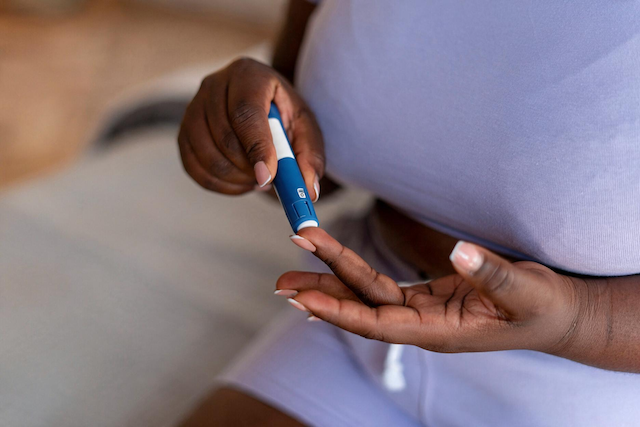
GLP-1 Receptor Agonists: The Emerging Case for Microdosing
Key Takeaways:
- A narrative review in Cureus finds that the benefits of GLP-1 receptor agonists (GLP-1RAs) extend beyond weight reduction to cardiovascular, renal, metabolic and other outcomes.
- Its authors propose microdosing – smaller, fractional doses – as a tolerability-first approach for people who respond strongly to standard doses or who struggle with gastrointestinal side effects.
- Direct evidence is extremely limited, and microdosing remains off-label, so the authors advise caution and clinician guidance.
Why a tolerability-first conversation is gaining ground
In a recent non-systematic narrative review published in the journal Cureus, researchers summarised the current evidence on the effects of glucagon-like peptide-1 receptor agonists (GLP-1RAs) and discussed the possible benefits of microdosing these agents. Their central question is a practical one that clinicians increasingly face in consultation rooms: if the multisystem benefits of this drug class are real, can smaller doses preserve enough of them to keep people in treatment?
Obesity remains a substantial health concern
Obesity continues to represent a significant health concern worldwide. In the United States (US), the prevalence of generalised obesity among adults, defined as a body mass index (BMI) above 30 kg/m², and of extreme obesity, defined as a BMI above 40 kg/m², has been increasing. Childhood obesity, by contrast, is defined using age- and sex-specific BMI thresholds rather than a single fixed cut-off.
Data from a survey conducted between 2021 and 2023 indicate that 21% of children and adolescents and 40% of adults in the US were living with obesity. Those figures give a sense of the scale of the population for whom pharmacological options are now being considered, and of the pressure placed on services that support people with obesity and related conditions.
From exenatide to semaglutide: a rapidly expanding drug class
The development of GLP-1RAs has been a remarkable advancement in the treatment of obesity and diabetes. Exenatide was the first GLP-1RA approved for type 2 diabetes in 2005, and the class has since expanded to include liraglutide, dulaglutide and semaglutide.
Success, however, has brought its own difficulties. Demand for GLP-1RAs far exceeds supply, and this imbalance has contributed to high costs and significant gaps in care. The authors suggest that these pressures have encouraged greater use of medication microdosing, as people and their clinicians look for ways to stretch limited or expensive supplies of medication further.
What microdosing means in this context
The term microdosing has a specific technical origin. It originally referred to sub-pharmacologically active doses used in drug-development studies, where the intention was never therapeutic effect. The review deliberately uses the term in a different, clinical sense: smaller, fractional doses of a medication that may allow people to receive some therapeutic benefit while extending their use of the medication.
That distinction matters when interpreting the literature, because the pharmacokinetic and the clinical uses of the word describe quite different practices. It is the second, clinical meaning that the review sets out to examine.
Clinical benefits of GLP-1 receptor agonists
GLP-1RAs modulate energy intake and promote satiety through agonism of the GLP-1 receptor. They also improve glycaemic control by suppressing glucagon and stimulating insulin secretion. These two mechanisms account for much of the drug class’s original appeal in both diabetes and obesity care.
A recent umbrella review noted trends towards improvements in respiratory, renal, metabolic, endocrine and cardiovascular outcomes, as well as cognitive function, with GLP-1RAs. Taken together, these findings suggest that the benefits of the drug class may extend beyond weight reduction across multiple organ systems, which is precisely why the question of preserving those benefits at lower doses has become interesting.
Cardiovascular and renal outcomes
A meta-analysis reported that GLP-1RAs led to significant reductions in major adverse cardiovascular events (MACE) and mortality. A further meta-analysis showed that long-acting GLP-1RAs reduced MACE and improved a composite kidney outcome among people with type 2 diabetes.
An umbrella review similarly reported that GLP-1RAs were associated with improvements in body weight, glycaemic control and various renal and cardiovascular outcomes. Importantly, the certainty of evidence was lower for some of the cardiovascular and kidney outcomes, so these associations should not all be read with equal confidence.
Emerging and early-stage evidence
Beyond the established indications, the review points to areas where evidence is still at a very early stage. A case report described a 34-year-old woman with type 2, stage III lipoedema who showed improvements after 30 days of treatment with low-dose tirzepatide, a dual GIP and GLP-1 receptor agonist. A single case, however, cannot establish treatment efficacy.
A systematic review indicated that GLP-1RAs significantly improved one measure of motor function among people with Parkinson’s disease. Other motor outcomes did not improve significantly, and adverse events were more frequent. This is a useful reminder that a positive signal on one outcome measure does not amount to a demonstrated clinical benefit overall.
Current dosing regimens of GLP-1RAs
Gradual dose titration is recommended for GLP-1RAs such as liraglutide and semaglutide in order to reduce the risk of adverse gastrointestinal (GI) effects.
For obesity, semaglutide is initiated at 0.25 mg once weekly for four weeks, then increased to 0.5 mg, 1 mg and 1.7 mg once weekly for four weeks each, until reaching 2.4 mg after 16 weeks. Liraglutide, by contrast, is initiated at 0.6 mg daily for the first week, then 1.2 mg daily, 1.8 mg daily and 2.4 mg daily for one week each, reaching 3 mg daily after four weeks.
For diabetes treatment, semaglutide and liraglutide can be dosed up to 2 mg and 1.8 mg respectively, as weekly and daily subcutaneous injections. Tirzepatide has identical dosing for both type 2 diabetes and obesity: treatment starts at 2.5 mg once weekly, increases to 5 mg once weekly four weeks later, and then rises in further 2.5 mg increments every four weeks to a maximum of 15 mg weekly.
The logic of these schedules is worth noting. Titration exists because tolerability, rather than efficacy alone, governs how quickly a person can reach a therapeutic dose. Fractional dosing takes that same logic and extends it further down the dose range. Understanding titration, tolerability and shared decision-making in enough depth to have these conversations well is now core to obesity and diabetes practice, and it forms the focus of the College of Contemporary Health’s CPD short course GLP-1RA Therapy: The Complete Programme.
Tolerability and the case for microdosing
The primary limitation of long-term GLP-1RA use is adverse GI effects, including nausea, diarrhoea, constipation and vomiting. These are also among the leading causes of treatment discontinuation, which means that tolerability is not a secondary concern but a direct determinant of whether anyone benefits from treatment at all.
More severe adverse effects, including intestinal obstruction, delayed gastric emptying and biliary disease, have been variably reported, with inconsistent evidence regarding these complications. Notably, tolerability has often been found to improve over time, which suggests that fractional or lower dosing may support treatment continuity.
Microdosing as a tolerability-first framework
The authors propose microdosing as a tolerability-first framework, enabling clinicians to personalise dosing to the individual and potentially reduce barriers to treatment. They suggest it could be a valuable option for people who have exaggerated pharmacological responses to a standard dose, and for those who are highly sensitive to adverse effects.
Two important caveats accompany the proposal. First, studies on the effects of microdosing GLP-1RAs are extremely limited. Second, the established benefits of standard GLP-1RA doses cannot be assumed to persist with fractional dosing. Dose-escalation trials do suggest a strong therapeutic response in some people at submaximal doses, which is part of what makes the idea plausible, but plausibility is not proof.
What the evidence on lower doses currently shows
A prospective observational study found improvements in body weight, BMI, triglycerides, glycated haemoglobin and low-density lipoprotein cholesterol with low-dose tirzepatide among non-diabetic adults with obesity.
In addition, a pooled analysis of phase III trials assessing once-weekly semaglutide doses of 0.5 mg and 1 mg indicated improved tolerability over time and reduced sensitivity to adverse GI events with long-term exposure.
Both findings are encouraging, but the review is clear about their status: these studies provide indirect support rather than direct evidence from trials specifically designed to test a microdosing strategy.
Practical and safety considerations
The review also notes two constraints that clinicians need to weigh before considering this approach. Microdosing is an off-label approach, and fractional dosing using existing injection devices may raise sterility and safety considerations. The authors therefore recommend caution and clinician guidance before anyone begins a microdosing regimen.
Concluding remarks
Collectively, although microdosing emerged as a pharmacokinetic tool in drug development, the authors describe it as an emerging pragmatic approach in clinical practice. Alongside other treatment modalities, it may better support people in reaching their health goals and improve their quality of life.
The honest conclusion, however, is that there is limited direct evidence on microdosing GLP-1RAs. Further research is warranted to confirm whether fractional dosing helps maintain the long-term benefits that have been demonstrated at standard doses. For now, the concept is best understood as a personalised, tolerability-led hypothesis worth studying rather than a settled standard of care.
CCH insight
This paper highlights a number of questions that are being raised about the potential for microdosing of GLP-1RAs. However, it doesn’t present any new evidence or present a proposed framework or strategy for microdosing because, as it states, there is currently very little evidence. The aim of GLP-1 therapy should always be to achieve the best health outcomes for the patient, using a dose they can tolerate, and then finding the minimum dose to maintain those health benefits. The recent introduction of oral daily GLP-1RA pills should make it much easier to vary the dose, both in terms of amount and frequency, and give clinicians and patients better opportunities to find the best dose for each individual.
Conversations about titration, tolerability and dose personalisation are becoming a routine part of obesity and diabetes care, and they demand a confident grasp of both the pharmacology and the person in front of you.
The College of Contemporary Health’s CPD short course GLP-1RA Therapy: The Complete Programme is designed for healthcare professionals who want to build exactly that confidence, covering how these medicines work, how they are dosed and titrated, how adverse effects are anticipated and managed, and how to support people effectively throughout treatment.
Explore GLP-1RA Therapy: The Complete Programme →
Read More
GLP-1 Medications May Reshape Obesity Care, but Clinicians Still Have Questions
Key Takeaways:
- Staff saw injectable GLP-1 medications as a valuable middle option between behavioural support and bariatric surgery.
- Their strongest concerns centred on what happens after treatment stops, particularly weight regain and masked behavioural patterns.
- Most had learned about these medications from patients rather than through formal training.
A service preparing for a change it had not yet made
A qualitative study published in Obesity Science & Practice set out to capture something rarely documented: what healthcare professionals think about injectable GLP-1 medications before their service begins prescribing them. The researchers interviewed staff at a United Kingdom Tier 3 weight management service that had applications for approval in place but was not yet prescribing, giving an unusually clean view of expectations, hopes and anxieties uncoloured by direct prescribing experience.
The timing matters because these medications are moving quickly into routine obesity care. One in eight people worldwide lives with obesity, a scale that demands sustained attention from health authorities. In England, weight management is organised across four tiers, running from population-level prevention and lifestyle services through to specialist multidisciplinary care and bariatric surgery. Injectable GLP-1 medications, including semaglutide and tirzepatide (a dual glucose-dependent insulinotropic polypeptide/glucagon-like peptide-1 receptor agonist), are increasingly built into these pathways. Semaglutide is recommended for eligible patients within specialist services, while tirzepatide can also be prescribed in NHS primary care.
How the study was carried out
Participants were recruited from a Tier 3 service in England providing interpersonal nutritional advice and behavioural support to people with a body mass index above 40 kg/m², or between 35 and 39.9 kg/m² alongside a weight-related comorbidity.
Interviews took place between 20 June and 19 July 2024. Eligible participants were behavioural change advisors or nutrition advisors, and importantly, none of them held prescribing privileges. Staff were invited by email and completed an information sheet, an electronic consent form, a demographic questionnaire and an interview-date selection.
The research team developed a semi-structured interview schedule, refining it after a pilot interview. Questions covered knowledge of semaglutide, perceived benefits, concerns, possible psychological consequences, long-term outcomes, service integration and information needs. Interviews were audio-recorded and transcribed verbatim, then analysed using Braun and Clarke’s six-stage reflexive thematic analysis. Transcripts were read repeatedly and coded in NVivo 14, with preliminary themes developed, discussed, revised, mapped, defined and named. Analysis was predominantly inductive, with a deductive element used to group themes according to the research questions, and the dataset was interpreted through a constructivist lens.
The recruitment email reached 17 healthcare professionals. Thirteen expressed interest and 11 completed interviews, comprising six nutrition advisors and five behavioural change advisors. Interviews ran from 34 to 62 minutes, with a mean of 46 minutes. Sample size was guided by information power rather than a fixed target. Thirteen themes emerged, organised into four clusters: knowledge and information needs, perceived benefits, concerns, and service provision considerations.
Learning from patients rather than from training
One of the more striking findings concerns where knowledge was coming from. Participants had mainly learned about injectable GLP-1 medications through patients who had purchased them privately. Most did not feel confident in their current understanding, reported little formal training, and often sought out information independently, though lack of time limited how far they could go.
That said, the baseline was not zero. All participants knew the medications could facilitate weight loss, and most recognised appetite suppression as an important mechanism, although understanding of how the drugs work varied considerably. A few had deeper knowledge of semaglutide’s physiological effects. Gastrointestinal effects were widely mentioned, including nausea, constipation and diarrhoea.
It is a gap that structured continuing professional development is well placed to close. CCH’s GLP-1RAs in Focus short course was built for professionals in exactly this position, including non-prescribers supporting people on GLP-1RA pathways who want a working grasp of the underlying physiology and pharmacology rather than a patchwork assembled from patient conversations.
Seen as a middle path, not a shortcut
Most participants held positive views and regarded injectable GLP-1 medications as a useful weight-loss tool. Several felt that early weight loss could boost patients’ confidence in their own ability to lose weight, and in turn encourage greater engagement with behavioural support.
Many framed the medications as a valuable middle ground between behavioural support and bariatric surgery, particularly for people with complex needs or those who did not want surgery. At the same time, participants were clear that the drugs were not a substitute for a patient’s own efforts. Where lifestyle change alone was achievable, it was generally the preferred route, partly because it could help people feel more in control of their own progress.
Concerns clustered around what happens next
The dominant concern was not the treatment period itself but what follows it. Most participants worried about weight regain after discontinuation, particularly where behavioural changes had not become established during treatment.
Closely linked to this was a worry about masking. Participants feared that appetite suppression could obscure emotional eating, stress eating, unhelpful habits and other behavioural patterns, making it harder to tell which changes were driven by the medication and which by behavioural support. There was also concern that successful weight loss could create a false sense of security, reduce engagement with lifestyle advice, or foster reliance on medication.
Some participants raised possible mental health risks, including disordered eating or worsening difficulties among people with eating disorders, psychological trauma or a history of self-harm. It is worth being precise here: these were concerns held by participants rather than harms they had observed, and the authors noted that current evidence does not support a causal relationship between GLP-1 medications and suicidal or self-injurious thoughts or actions.
Where behavioural support should sit in the pathway
Many participants favoured offering behavioural and lifestyle support before prescribing begins, giving time to understand individual needs and to manage expectations about what the medication can and cannot do. Almost all supported providing that help alongside treatment, though views differed on how often and for how long.
Some also argued for support during dose reduction and for a few months after treatment ends, precisely because of the regain risk they had identified. The introduction of GLP-1 prescribing into their own service was viewed by some as experimental and as a learning process, and participants anticipated that their professional roles and responsibilities would shift as a result.
What this study cannot tell us
The authors were candid about the limits. The study included 11 professionals from a single Tier 3 service that had not yet started prescribing injectable GLP-1 medications, so the findings may not generalise to other services or to professionals with direct prescribing experience. The interviewer also worked within the same service, which may have shaped how freely participants expressed their views.
What it means for practice
Taken together, the picture is of a workforce that is broadly positive about injectable GLP-1 medications and sees a clear clinical niche for them, but that is thinking hard about continuity of care. The concerns raised, weight regain after discontinuation, reduced engagement with behavioural support, masked behavioural patterns and possible mental health risks, are perceived rather than demonstrated harms, but they point to real design questions for services.
The authors conclude that further research is needed on combining injectable GLP-1 medications with interpersonal behavioural support, and on how that integration can best sustain patients over time. In the meantime, the most actionable finding may be the simplest one: the staff closest to patients wanted better information and had few structured routes to get it.
CCH insight
Tier 3 specialist weight management services provide care for patients with obesity with the greatest need, so it is vital that staff are well informed about GLP-1 medications. Although this study was published earlier this year, the interviews it is describing took place in June/July 2024, when the NHS was still in the early stages of rolling out its Wegovy treatment programme for Tier 3 weight management, and at a time the drug was still in short supply. Therefore it is understandable there was a lack of knowledge of GLP-1RAs amongst staff at that time. Unfortunately, despite the huge amount of evidence for the safety and benefits of these drugs, there still seems to be scepticism amongst many health professionals today about providing pharmacotherapy for obesity.
This study lands on something many services will recognise: the staff supporting people on GLP-1RA pathways are often the least formally trained in how these medications work, and the anxiety sits not in the prescription itself but in the months that follow it.
GLP-1RA Therapy: The Complete Programme (Ozempic, Wegovy & Mounjaro) is built around that full sequence, covering the science, safe prescribing and the long-term care that protects the result, from nutrition and lean mass through to plateaus and when to refer. Seven CPD hours, three Certificates of Completion, and the CCH Advanced Certificate in GLP-1RA Therapy on passing the capstone. Open to prescribers and non-prescribers alike.
Explore GLP-1RA Therapy: The Complete Programme →
Read More
Novo Nordisk Launches Late-Stage Trial to Find the Lowest Effective Dose of Oral Wegovy
Key Takeaways:
- Novo Nordisk has begun OASIS-5, a 60-week late-stage trial testing lower maintenance doses of the oral Wegovy pill.
- The trial will enrol 450 adults with a BMI of 30 or above, or 27 with a weight-related health condition.
- Interest in lower dosing reflects real-world practice, where cost and side effects already drive some people to take reduced doses.
A trial built around dose flexibility
Danish drugmaker Novo Nordisk has started testing smaller doses of its Wegovy pill in a new late-stage study designed to identify the lowest dose that still supports weight loss, according to a listing on a US clinical trials database.
The study, known as OASIS-5, began on 12 August and is scheduled to run until 2028. It will examine lower strengths of the daily maintenance dose – the dose used to sustain weight loss once it has been achieved, rather than the escalating doses used at the start of treatment. At present, the approved long-term dose of the Wegovy pill is 25 milligrams.
“Having a broader range of maintenance doses could provide greater flexibility in treatment and optimising the patient experience,” Novo said in an emailed statement to Reuters.
Novo has not specified which new dose strengths are being tested. The Wegovy pill is also approved in doses of 1.5 mg, 4 mg and 9 mg.
What OASIS-5 will measure
The 60-week trial will recruit 450 adult participants who have previously struggled to lose weight, with a Body Mass Index of 30 or above, or 27 in combination with a weight-related health issue.
The primary objective is to establish whether lower doses of oral semaglutide – the active ingredient in Wegovy – produce greater weight loss than placebo over the 60-week period. Secondary objectives include changes in waist circumference, other health benefits and the side effect profile at these reduced strengths.
The study will exclude people living with diabetes, those who have experienced recent major weight changes, and anyone currently being treated with GLP-1 medications.
Seeking health benefits beyond weight loss
The trial arrives against a backdrop of dosing behaviour that is already happening outside clinical protocols. Some people taking GLP-1 medicines, including Wegovy and Lilly’s Zepbound injections, are microdosing or otherwise taking lower-than-approved doses. The practice has become popular largely because of the high cost of the medicines and the side effects associated with them.
“People are using low dosages of these products… they just decide on their own,” Novo CEO Mike Doustdar told Reuters in an interview last week, noting that patients often seek health benefits beyond weight loss.
That observation points to a broader question facing prescribers: what people hope to gain from GLP-1 therapy is not always confined to the number on the scales. Understanding the pharmacology behind dose escalation and maintenance, and being able to discuss the trade-offs between efficacy, tolerability and cost, is increasingly central to safe prescribing. It is a theme covered directly in the College of Contemporary Health’s CPD short course GLP-1RAs in Practice: Prescribing, which examines dose titration, monitoring and shared decision-making in day-to-day clinical settings.
Competitive pressure in a growing market
Novo is under pressure after losing ground to US rival Eli Lilly in an obesity drug market projected to exceed $100 billion by 2030. Investors are watching the Wegovy pill closely; it generated second-quarter sales of 3.22 billion Danish kroner ($499.89 million).
Doustdar expects market segmentation to prevent a winner-take-all contest with Lilly – a view consistent with a future in which different doses, formulations and treatment goals serve different groups of people rather than a single product dominating.
Lilly did not immediately respond to a Reuters request for comment on whether it plans to test smaller doses of its oral drug Foundayo, which has lowest approved doses of 0.8 mg and 2.5 mg.
What this could mean for practice
If OASIS-5 demonstrates that lower maintenance doses deliver meaningful weight loss, it would give clinicians a wider set of options for people who cannot tolerate higher strengths, who are managing the cost of long-term therapy, or who have reached a weight they wish to maintain rather than continue reducing. It would also bring an existing real-world practice within the evidence base, replacing self-directed dose reduction with an approved, monitored alternative.
Results are not expected until 2028, so any change to prescribing practice remains some way off. In the meantime, conversations about dosing, expectations and adherence will continue to sit with the healthcare professionals supporting people through treatment.
CCH insight
Dose selection, titration and tolerability are among the most common practical challenges in GLP-1 prescribing. The College of Contemporary Health’s CPD short course GLP-1RAs in Practice: Prescribing covers dose escalation and maintenance, managing side effects, patient selection and monitoring – equipping healthcare professionals to make confident, evidence-based decisions as the treatment landscape evolves.
Explore GLP-1RAs in Practice: Prescribing →
Source: Reuters
Read More