
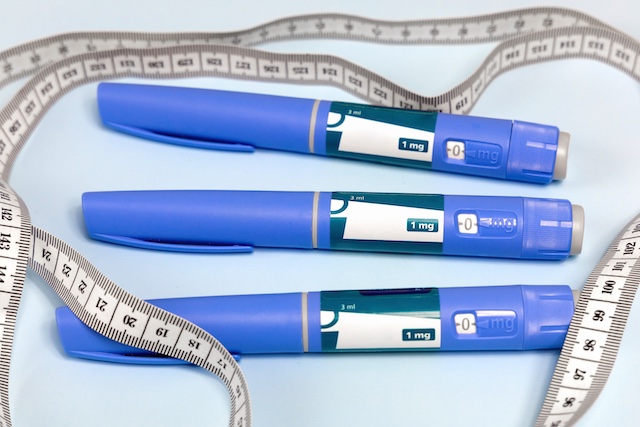
GLP-1 Weight Loss Is Mostly Driven by Fat Loss, Not Muscle
Key Takeaways:
- GLP-1 receptor agonists and dual GLP-1/GIP therapies lead to significant weight loss, primarily through reductions in fat mass rather than muscle.
- Improvements in body composition, including reductions in visceral fat, occur as early as three months into treatment.
- Although some lean body mass loss is observed, it is relatively modest compared with overall weight loss, suggesting a favourable pattern of change.
GLP-1 therapies in the context of obesity care
A recent study published in the International Journal of Obesity examined how glucagon-like peptide 1 receptor agonists and dual GLP-1/glucose-dependent insulinotropic polypeptide agonists affect body weight and composition in adults living with overweight or obesity.
The global prevalence of obesity has risen substantially in recent decades. This condition is closely linked to a range of cardiometabolic complications that can reduce both quality of life and life expectancy. As a result, effective obesity management typically requires a personalised, multidisciplinary approach. This may include behavioural support, dietary changes, physical activity, pharmacological treatments, and, in some cases, surgical intervention.
GLP-1 receptor agonists and related incretin-based therapies have emerged as an important pharmacological option. These treatments are known to support sustained weight loss and improve obesity-related comorbidities. They have also demonstrated cardioprotective effects. However, while these therapies predominantly reduce fat body mass, they may also lead to some loss of lean body mass, which has raised concerns, particularly for older adults and people at risk of frailty.
Study design and methods
To better understand these effects, researchers conducted a comprehensive evaluation of clinical studies assessing GLP-1-based therapies and their impact on body composition.
Databases including Web of Science, PubMed, and Scopus were systematically searched for relevant studies involving adults with overweight or obesity, with or without type 2 diabetes. Following removal of duplicate records, studies were screened based on titles, abstracts, and full texts to determine eligibility.
The methodological quality of the included studies was assessed using established tools. Meta-analyses were then performed on studies that provided numerical data on changes in body composition and anthropometric measures. Statistical analyses used random-effects models, with subgroup analyses based on drug type and treatment duration. Publication bias was evaluated using Egger’s test.
In total, 36 studies were included in the qualitative review, with 24 contributing to the meta-analyses. Most studies were conducted in Europe and Asia, and many reported outcomes at six months. Twenty-four studies included people living with type 2 diabetes. The most frequently studied medications were liraglutide and semaglutide. Body composition was commonly assessed using bioelectrical impedance analysis and dual-energy X-ray absorptiometry.
Changes in weight and body composition
Early effects at three months
After three months of treatment, participants experienced a significant reduction in body mass of approximately 9 percent. This effect was particularly notable among those receiving beinaglutide.
Substantial improvements in body composition were also observed. Visceral adipose tissue area decreased by 29.25 cm², while fat body mass was reduced by 17 percent. Lean body mass showed a smaller but statistically significant reduction of 2 percent.
In addition, body mass index decreased by 2.96 kg/m² and waist circumference by 9.6 cm.
Outcomes at six months
At six months, body mass remained significantly reduced, with an average decrease of 5 percent.
Both fat body mass and lean body mass declined further, by 6 percent and 1 percent respectively. Skeletal muscle mass showed a modest reduction of 3 percent. Visceral adipose tissue continued to decrease, with a reduction of 32.31 cm².
Body mass index fell by 2.40 kg/m², while waist circumference decreased by 2.3 cm.
Longer-term results at twelve months
At twelve months, body mass was reduced by 4 percent, with continued decreases in body mass index of 1.74 kg/m² and waist circumference of 3.2 cm.
Both fat body mass and lean body mass were reduced by 4 percent. The most pronounced reductions were reported in a study involving liraglutide, although the authors noted considerable variability between studies and advised caution when comparing specific agents.
Egger’s test indicated some publication bias in outcomes reported at three months, but no significant bias was observed at later time points.
Interpreting fat loss and muscle preservation
Overall, the findings demonstrate that GLP-1-based therapies produce meaningful improvements in key measures associated with obesity, including body mass, body mass index, and waist circumference, across multiple time points.
The most rapid and substantial changes occurred within the first three months of treatment. Across all timeframes, reductions in fat mass, particularly visceral fat, were more pronounced than reductions in lean mass.
The authors described this pattern as “quality” weight loss, characterised by a predominance of fat mass reduction with relative preservation of lean tissue. Importantly, no single GLP-1 receptor agonist was found to be superior in preserving lean mass.
Implications for clinical practice and future research
These findings have important implications for clinical care. While some degree of lean mass loss occurs with GLP-1-based therapies, the overall pattern of weight loss appears favourable, particularly given the substantial reductions in fat mass and visceral adiposity.
Future research should focus on optimising treatment strategies that combine pharmacotherapy with lifestyle interventions. In particular, there is a need to explore approaches that support the preservation of lean mass, such as targeted nutritional strategies and resistance training programmes.
Such considerations are especially important for people at higher risk of sarcopenia, including older adults and those with existing muscle loss.
CCH insights:
These results are encouraging, but it is important not to become complacent about lean mass loss during weight loss. The studies analysed here involved average weight losses of less than 10% of body weight, but some people can lose 15-20% of body weight on GLP-1 therapy – do they lose similar proportions of body fat and lean tissue? All patients on GLP-1 therapy should receive advice on lifestyle measures to help minimise lean tissue loss.
Read More
Obesity-Related Fat Tissue Signals Identified as a Driver of Age-Related Muscle Loss
Key Takeaways:
- Researchers have identified a biological mechanism linking obesity-related fat tissue to accelerated muscle loss in older adults.
- Tiny particles released by adipose tissue were shown to directly trigger muscle atrophy in ageing human muscle cells.
- Younger muscle appears biologically protected from these effects, highlighting an age-dependent vulnerability that may inform future therapies.
New insight into sarcopenic obesity
Researchers at the University of Birmingham have identified a previously unrecognised biological pathway through which obesity may contribute to muscle loss in older adults. The findings provide important new insight into sarcopenic obesity, a condition in which excess body fat exists alongside reduced muscle mass and strength.
The study, published in the Journal of Cachexia, Sarcopenia and Muscle and conducted through the National Institute for Health and Care Research (NIHR) Birmingham Biomedical Research Centre (BRC), demonstrates for the first time that signals released from adipose tissue can directly induce muscle wasting in human cells.
Sarcopenic obesity is becoming increasingly common as populations age and is associated with frailty, impaired mobility and poorer overall health outcomes. The condition is estimated to affect approximately 11% of the population.
Fat tissue communication with muscle
The research focused on extracellular vesicles – microscopic particles released by fat tissue that act as biological messengers between organs and tissues.
Investigators discovered that extracellular vesicles derived specifically from obese adipose tissue, rather than lean tissue, caused significant thinning of muscle fibres obtained from older adults. This thinning represents a hallmark feature of muscle atrophy.
The harmful effects were traced to molecular cargo carried within these vesicles, particularly miR-150-5p, a microRNA known to regulate gene expression pathways involved in maintaining muscle structure and function.
These findings suggest that obesity does not simply increase fat mass but fundamentally alters how adipose tissue behaves and communicates with other organs, including skeletal muscle.
Age-dependent vulnerability of muscle
A notable finding of the study was that muscle cells derived from younger adults showed resistance to these obesity-related signals.
When exposed to extracellular vesicles from obese adipose tissue, younger muscle cells did not undergo the same degree of thinning observed in older muscle cells. This indicates that ageing muscle becomes biologically more susceptible to inflammatory and metabolic signals associated with obesity.
Speaking about the findings, first author Dr Joshua Price, Postdoctoral Researcher, explained:
“It isn’t just having more fat tissue that matters. Obesity changes how fat tissue behaves and how it communicates with muscle. Ageing muscle is far more vulnerable to these altered signals, which helps explain why muscle loss accelerates with obesity later in life.”
Identifying a potential therapeutic target
The identification of miR-150-5p as a key molecular driver presents a potential opportunity for therapeutic intervention. Researchers found that inhibiting this microRNA could partially reduce the muscle-wasting effects observed in laboratory models.
Overall, the results suggest a dual biological reality – younger muscle demonstrates protective resilience, while ageing muscle becomes increasingly vulnerable to obesity-related signalling pathways.
Senior author Professor Simon Jones, Professor in Musculoskeletal Ageing at the University of Birmingham and lead for the NIHR Birmingham BRC’s Sarcopenia and Multimorbidity research theme, said:
“Through this research, we’ve identified a key molecular pathway by which obesity can accelerate muscle loss in older adults. Importantly, we found that younger muscle appears resilient to these harmful signals, whereas ageing muscle becomes more vulnerable. This reinforces the importance of maintaining a healthy weight and muscle health as we age.”
He added:
“Our findings also open two potential therapeutic avenues: either blocking or modifying the harmful extracellular vesicles released from obese tissue, or developing strategies to make older muscle more resilient, mimicking the protective effects seen in younger muscle.”
Implications for ageing and obesity care
The study strengthens understanding of how ageing and obesity interact at a cellular level to influence physical decline. Rather than viewing muscle loss solely as a consequence of ageing or inactivity, the findings highlight obesity-related biological signalling as an active contributor.
By demonstrating that altered communication between fat and muscle tissue can directly drive muscle atrophy, the research provides a clearer mechanistic explanation for why people living with obesity may experience accelerated functional decline later in life.
The work was delivered through the NIHR Birmingham Biomedical Research Centre, with Dr Joshua Price serving as a BRC-funded postdoctoral research associate within the Sarcopenia and Multimorbidity research theme.
Together, these findings may support future strategies aimed at preserving muscle health in ageing populations, particularly among people living with obesity, where preventing muscle loss is critical for maintaining independence, mobility and long-term health outcomes.
Read More