
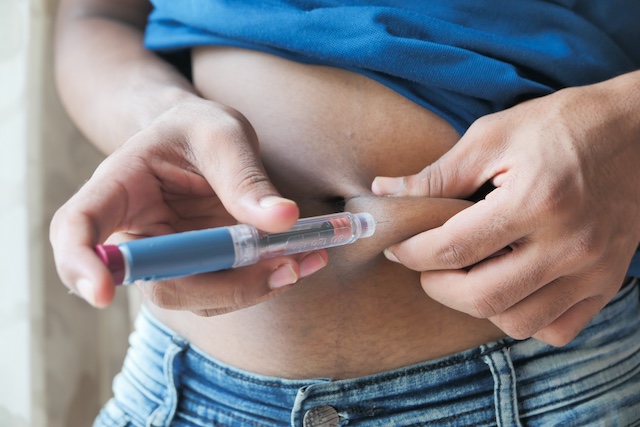
Gut Microbiome May Shape Responses to GLP-1 Therapies in Obesity and Type 2 Diabetes
Key Takeaways:
- The gut microbiome may contribute to why people respond differently to GLP-1 receptor agonists, although causality remains unproven
- GLP-1 therapies and associated weight loss can alter gut microbial composition, but findings are inconsistent
- Dietary and behavioural changes during treatment are likely key drivers of microbiome shifts rather than direct drug effects
Emerging link between the gut microbiome and GLP-1 treatment response
A recent review published in the Canadian Journal of Physiology and Pharmacology highlights growing interest in the role of the gut microbiota in shaping responses to glucagon-like peptide-1 receptor agonists, commonly referred to as GLP-1 RAs. These medications are widely used in the management of people living with type 2 diabetes and those living with overweight or obesity.
The analysis suggests that gut microbial communities and their metabolites may contribute to the variability observed in treatment responses. At the same time, GLP-1 receptor agonists may themselves influence the composition of the gut microbiota. This bidirectional relationship positions the microbiome as both a potential contributor to treatment variability and a possible future target for more personalised metabolic therapies.
The gut microbiome as a regulator of metabolic health
There is increasing evidence that gut microbes play an active role in metabolic regulation. Preclinical studies using faecal microbiota transplantation have demonstrated that microbial communities can transfer traits such as glucose regulation and body mass. However, findings in human studies have been less consistent.
Despite the widespread use of GLP-1 receptor agonists, research exploring their interaction with the human gut microbiome remains limited. This is particularly notable given the considerable variation in how individuals respond to these treatments. Differences in microbial composition may partly explain this variability, although a definitive causal relationship has not yet been established.
In the review, researchers examined potential interactions between GLP-1 therapies, diet, gastrointestinal symptoms, body weight, and gut microbial composition.
Interactions between GLP-1 signalling and gut microbes
GLP-1 is a naturally occurring hormone that regulates appetite and blood glucose levels by binding to the GLP-1 receptor. It is released by L-cells in the intestine following nutrient intake. Because this release occurs in the lower intestine, GLP-1 operates in close proximity to the gut microbiota, raising the possibility of direct interaction.
Microbial metabolites such as bile acid derivatives and short-chain fatty acids can influence endogenous GLP-1 secretion and activity. These findings suggest that gut microbes may play a role in modulating GLP-1 signalling pathways. However, direct evidence demonstrating that microbial composition determines treatment response to GLP-1 receptor agonists in humans remains limited.
GLP-1 therapies may also indirectly affect the microbiome through changes in appetite, gastrointestinal motility, and dietary intake.
Clinical effectiveness of GLP-1 receptor agonists and variability in response
GLP-1-based therapies including liraglutide, semaglutide, and tirzepatide are now well established in the treatment of type 2 diabetes and obesity. Clinical trials have demonstrated significant weight loss outcomes:
- Tirzepatide – approximately 11.9–17.8% greater weight loss than placebo over 72 weeks
- Semaglutide – approximately 12.4% greater weight loss over 68 weeks
- Liraglutide – approximately 8.0% weight reduction compared with placebo over 56 weeks
Despite these results, individual responses vary widely. Differences in the gut microbiome have been proposed as one potential contributing factor, although this remains an area of ongoing investigation.
Microbiome changes associated with GLP-1 therapies
GLP-1 receptor agonists may influence gut microbial composition in people living with type 2 diabetes and obesity. Historically, obesity has been associated with a higher Firmicutes-to-Bacteroidetes ratio. Some studies suggest that weight loss is linked to increased microbial diversity and a greater abundance of beneficial genera such as Akkermansia.
Clinical observations include:
- Increased Akkermansia levels after six weeks of liraglutide therapy
- Increased levels of Bacteroidota, Actinobacteriota, and Proteobacteria following 12 weeks of semaglutide
- A reduction in Firmicutes in some cohorts
However, these findings are based on a limited number of heterogeneous studies. Many have involved people living with type 2 diabetes who were also taking other medications such as metformin, which is known to independently influence the gut microbiome.
GLP-1 receptor agonists, when combined with lifestyle modification, can lead to approximately 8–20% body weight reduction over several months to one year. Nevertheless, reported microbiome changes remain inconsistent. Some studies show increased diversity, while others report minimal or no significant changes.
Dietary changes during treatment and their microbiome impact
Evidence suggests that observed microbiome shifts may largely reflect downstream effects of weight loss and metabolic improvement rather than direct drug–microbiome interactions.
GLP-1 therapies are associated with changes in eating behaviour, including reduced appetite, increased satiety, and altered taste perception. People using these medications often improve their dietary patterns, with reduced consumption of refined grains, processed foods, beef, and sugar-sweetened beverages. Caloric intake may decrease by approximately 16–39%.
In 2025, organisations including The Obesity Society, American College of Lifestyle Medicine, American Society for Nutrition, and Obesity Medicine Association issued clinical guidance emphasising the importance of nutritional assessment and management of gastrointestinal side effects during GLP-1 therapy.
This guidance recommends prioritising nutrient-dense foods such as vegetables, fruits, whole grains, lean proteins, seeds, and nuts, while limiting refined carbohydrates, sugar-sweetened beverages, red and processed meats, fast foods, and highly processed snacks. Given the strong influence of diet on gut microbial composition, these dietary changes are likely to play a significant role in shaping the microbiome during treatment.
Future directions and research priorities
The review concludes that current evidence points towards behavioural and dietary changes, alongside weight loss, as the primary drivers of microbiome alterations observed during GLP-1 receptor agonist therapy.
However, the gut microbiome remains a promising area for future research. Microbiome profiling could eventually help predict treatment response more accurately in people living with obesity and type 2 diabetes.
Future studies should include:
- Larger and more diverse populations
- Longitudinal monitoring of microbiome changes
- Inclusion of people living with obesity who do not have diabetes
- Detailed tracking of dietary intake, gastrointestinal symptoms, and treatment adherence
Emerging therapies such as oral GLP-1 receptor agonists and new agents like orforglipron may offer further insight into direct interactions between medications and gut microbes, particularly as orally administered drugs come into direct contact with the gastrointestinal tract.
Understanding these relationships may ultimately support more personalised and effective approaches to obesity and diabetes care.
Read More
Semaglutide and Bimagrumab Combination Shows Greater Weight Loss While Preserving Muscle Mass
Key Takeaways:
- A phase 2 clinical trial found that combining semaglutide with the antibody bimagrumab produced greater overall weight loss while largely preserving lean body mass.
- Participants receiving the two-drug combination lost 22.1% of body weight on average, with over 90% of the reduction coming from fat mass.
- The findings highlight the importance of focusing on body composition rather than weight alone when evaluating treatments for people living with obesity.
Combining two mechanisms to improve obesity treatment
A recent clinical trial has found that combining the GLP-1 receptor agonist semaglutide with bimagrumab, an antibody that blocks activin signalling pathways, may produce greater weight loss while preserving lean body mass.
The findings were reported in the paper “Bimagrumab and semaglutide alone or in combination for the treatment of obesity: a phase 2 randomized clinical trial”, published in the journal Nature Medicine. The study describes the results of the BELIEVE trial, led by Dr Steven Heymsfield of the Pennington Biomedical Research Center.
GLP-1–based therapies have become highly effective tools for reducing body weight in people living with obesity. However, a recognised limitation of these therapies is that up to 40% of the weight lost may come from lean mass, which includes skeletal muscle and connective tissue.
The BELIEVE trial explored whether combining semaglutide with bimagrumab could address this issue by enhancing fat loss while protecting lean body mass.
Why lean mass preservation matters
Historically, obesity treatment has often focused on reductions in body weight as the primary outcome. However, researchers increasingly emphasise the importance of preserving muscle mass, which plays a vital role in both physical function and metabolic health.
Dr Heymsfield explained that maintaining lean mass could be particularly important for people living with obesity who may already be at risk of low muscle mass.
“Obesity treatment has traditionally focused on the number on a scale. Patients with obesity who are at risk for low muscle mass, affecting both physical and metabolic function, may benefit from treatments that maximize fat mass reduction while preserving skeletal muscle,” said Heymsfield, who is an LSU Boyd Professor and director of the Metabolism and Body Composition Laboratory.
He also highlighted the complementary biological mechanisms of the two drugs.
“Bimagrumab and semaglutide work through distinct biological pathways, and when combined, we observed not only a preservation of lean mass but also an additive reduction in fat mass that exceeded what either therapy achieved alone.”
Design of the BELIEVE phase 2 trial
The BELIEVE study was designed as a double-blind, placebo-controlled clinical trial evaluating the effects of semaglutide and bimagrumab used either alone or in combination.
Participants were randomly assigned to several treatment groups:
- Bimagrumab only
- Semaglutide only
- Combination therapy
Each medication was also administered at two different dosing levels:
- Bimagrumab: 10 mg/kg or 30 mg/kg
- Semaglutide: 1.0 mg or 2.4 mg
Because of these dosing combinations, the trial ultimately included nine randomised groups.
Bimagrumab was administered every 12 weeks, while semaglutide was given once weekly. Participants were followed over a 72-week treatment period.
Weight loss and body composition outcomes
The results showed clear differences between the treatment groups in terms of both total weight loss and the composition of that weight loss.
Participants receiving bimagrumab alone experienced an average weight reduction of 10.8%. Notably, all of this reduction was attributable to fat mass, while lean mass increased by 2.5%.
Those treated with semaglutide alone lost an average of 15.7% of body weight, with 71.8% of the weight loss coming from fat mass.
The most striking results were seen in participants receiving the combination therapy. These individuals experienced an average weight loss of 22.1%, with 92.8% of the weight reduction attributable to fat mass, while lean mass was largely preserved.
These findings suggest that the combination therapy may offer a way to achieve substantial reductions in body weight while maintaining the muscle mass that supports metabolic health and physical function.
Improvements in metabolic and inflammatory markers
Beyond weight loss and body composition, the study also identified several favourable metabolic changes.
Participants experienced up to an 83% reduction in high-sensitivity C-reactive protein (hsCRP), an inflammatory marker that is associated with increased cardiovascular risk.
The study also reported a substantial increase in adiponectin, a hormone that plays an important role in:
- Improving insulin sensitivity
- Supporting fat metabolism
- Promoting anti-inflammatory processes
Among participants who had indicators of prediabetes at baseline, some of the groups receiving the two-drug combination experienced complete reversion to normoglycaemia, meaning all participants in those groups moved from a prediabetic state to normal blood glucose levels.
Safety and tolerability
Overall, the drug combination was generally well tolerated by participants. Reported side effects were broadly consistent with the known safety profiles of the individual drugs.
However, researchers noted that participants receiving bimagrumab experienced some common adverse events, including:
- Mild-to-moderate acne
- Muscle spasms
The study authors emphasised the need for continued clinical development and further investigation to better understand these effects.
Moving beyond the number on the scale
The BELIEVE trial also underscores a broader shift in how obesity treatments may be evaluated in the future.
Rather than focusing solely on weight or body mass index, researchers increasingly argue that body composition measures, such as the proportion of fat mass and lean mass, provide more meaningful insight into treatment effectiveness and overall health outcomes for people living with obesity.
Keeping pace with how GLP-1 therapies work and how to weigh emerging trial evidence like this is the focus of professional training such as the College of Contemporary Health’s GLP-1RAs in Focus, a CPD-accredited online short course.
Funding and study oversight
The study was funded by Eli Lilly and Company. The trial was originally designed by Versanis Bio, a wholly owned subsidiary of Eli Lilly.
Versanis Bio oversaw the clinical trial and provided partial funding before its acquisition by Lilly.
CCH insight:
The results for bimagrumab are very exciting. Although overall weight loss was less for bimagrumab than semaglutide, the amount of fat lost was very similar, but with retention or even increase of muscle mass. As muscle is an important metabolic tissue, you can argue that in this case the lesser weight loss is a better outcome than the higher weight loss, because the weight that is retained is muscle, not fat because the weight that is retained is muscle, not fat. Making sense of fast-moving evidence like this – and the mechanisms behind it – is exactly what CCH’s GLP-1RAs in Focus – Why Drugs Like Ozempic Work CPD short course (2 CPD hours, fully online, CPD-accredited) is built to support, giving healthcare professionals a clear grounding in how these medications work and how to appraise the evidence with confidence, whether or not they prescribe.
Explore GLP-1RAs in Focus →
Semaglutide’s Cardioprotective Effects Extend Beyond Weight Loss, SELECT Trial Confirms
Key Takeaways:
- Semaglutide significantly reduced major adverse cardiovascular events (MACE) in adults with overweight or obesity and established cardiovascular disease, regardless of baseline body weight.
- Reductions in waist circumference contributed partly – but not fully – to the observed cardioprotective benefits, suggesting mechanisms beyond weight loss.
- Early divergence in cardiovascular outcomes between the semaglutide and placebo groups indicates that benefits emerge rapidly after treatment initiation.
Semaglutide’s impact on heart health goes beyond weight loss
A landmark study published in The Lancet has revealed that semaglutide, a Glucagon-Like Peptide 1 Receptor Agonist (GLP-1RA), offers cardiovascular protection in people with overweight and obesity that cannot be explained by weight loss alone. The findings come from the large-scale SELECT trial, which explored the drug’s effect on major adverse cardiovascular events (MACE) in individuals without diabetes but with established cardiovascular disease.
GLP-1 receptor agonists were originally developed for glycaemic control in type 2 diabetes but have since demonstrated additional benefits, including weight reduction and decreased cardiovascular risk. Obesity itself increases cardiovascular mortality and morbidity through metabolic, inflammatory, and haemodynamic pathways. However, simple measures such as body weight fail to differentiate between fat and lean mass or between subcutaneous and visceral fat – the latter being more strongly associated with cardiovascular disease.
Until now, the relationship between changes in adiposity induced by GLP-1RAs and subsequent cardiovascular outcomes has remained unclear.
About the SELECT trial
The SELECT trial was a randomised, double-blind, placebo-controlled, phase 3 study evaluating whether semaglutide, used alongside standard care, could reduce cardiovascular events in adults with overweight or obesity. The trial enrolled 17,604 participants aged 45 years or older with a body mass index (BMI) of at least 27 kg/m² and established cardiovascular disease (defined as a history of myocardial infarction, stroke, or symptomatic peripheral artery disease).
Participants were randomly assigned to receive either once-weekly semaglutide injections or a placebo, with a gradual 16-week dose escalation to a target of 2.4 mg from week 17 onwards. The primary endpoint was MACE – a composite measure including non-fatal myocardial infarction, non-fatal stroke, and cardiovascular death.
Researchers analysed both baseline measures of adiposity (including waist circumference and body weight) and treatment-induced changes over time. Associations between these factors and MACE were assessed using a Cox proportional hazards model, with additional analyses distinguishing early (week 20) and long-term (week 104) effects.
Key findings
The mean follow-up period was nearly 40 months, with participants exposed to semaglutide for an average of 33.3 months and placebo for 35.1 months. Across all baseline body habitus measures, semaglutide reduced MACE incidence compared with placebo.
Higher baseline BMI was associated with female sex, younger age, non-Asian nationality, higher blood pressure, prediabetes, and greater inflammatory burden. Within both study arms, individuals with lower baseline adiposity had a lower MACE risk. In the semaglutide group, MACE risk fell by approximately 4% for every 5 kg reduction in baseline weight, although this trend was not significant in the placebo group. For waist circumference, both groups showed a 4% lower risk per 5 cm smaller baseline measurement.
By week 20, the rate of first MACE events had already diverged between the groups (hazard ratio [HR] 0.58), demonstrating an early cardioprotective effect.
At this point, mean changes in body weight and waist circumference were −6.4% and −5.0 cm in the semaglutide group, compared with −0.8% and −1.1 cm in the placebo group. These early changes accounted for about 70% of the total reductions seen at week 104. Importantly, 11% of all MACE events occurred within the first 20 weeks of treatment.
In the semaglutide group, greater reductions in waist circumference were associated with a lower subsequent MACE risk (HR 0.91; 95% CI 0.84–0.98; p = 0.02), while weight loss alone was not linearly linked to reduced risk. Among placebo recipients, those who lost at least 5% of their weight experienced higher MACE incidence and all-cause mortality, possibly reflecting unintentional or illness-related weight loss.
At week 104, semaglutide recipients who achieved the greatest weight loss had the lowest MACE incidence, whereas placebo recipients with comparable weight loss had the highest.
Waist circumference emerged as a stronger predictor
Analyses indicated that waist circumference reduction was a partial mediator of semaglutide’s cardiovascular benefits. Accounting for early changes in waist circumference reduced the treatment hazard ratio from 0.80 to 0.86 – suggesting that about one-third (33%) of the cardioprotective effect could be attributed to reduced abdominal fat, while the remainder likely involves other physiological mechanisms.
Crucially, time-varying changes in overall weight did not mediate the observed cardiovascular outcomes, underscoring that semaglutide’s heart-protective properties extend beyond simple weight loss.
Implications and limitations
The authors concluded that semaglutide was superior to placebo in reducing cardiovascular risk across all baseline weight and waist circumference levels, and that its benefits became evident early in treatment. They emphasised that early body weight reductions did not independently explain these benefits.
They cautioned, however, that analyses performed after randomisation were exploratory and not causal. The predominantly White, male study population also limits generalisability to broader groups, including women and ethnically diverse populations.
Despite these caveats, the findings strengthen the evidence that semaglutide’s cardioprotective effects go beyond adiposity reduction, pointing to additional metabolic, vascular, or anti-inflammatory mechanisms.
The SELECT trial was funded by Novo Nordisk, and is registered under ClinicalTrials.gov identifier NCT03574597.
Read More
Higher Dose of Semaglutide Delivers Greater Weight Loss and Metabolic Improvements
Key Takeaways:
- Tripling the standard dose of semaglutide led to significantly greater weight loss and improved metabolic outcomes, without an increase in serious adverse effects.
- Participants on the higher dose achieved clinically meaningful reductions in body weight, waist circumference, and HbA1C levels, with nearly one-third losing 25% or more of their starting weight.
- Side effects were mostly mild and transient, suggesting that the higher dose may be a safe option for people requiring more intensive obesity treatment.
Landmark findings from the STEP UP trials
Tripling the standard dose of semaglutide – a widely prescribed glucagon-like peptide-1 receptor agonist (GLP-1RA) – resulted in markedly greater weight loss and cardiometabolic benefits, according to results from two large multicentre clinical trials led by UT Southwestern Medical Center. The studies, published in The Lancet Diabetes & Endocrinology, indicate that patients may be able to safely take a higher semaglutide dose than currently approved if they need to lose additional weight.
“Semaglutide and other drugs in its class have been life-changing for people living with obesity around the world. Our new findings suggest that increasing the dose can lead to even greater benefits and may be appropriate for some patients,” said study leader Dr Ildiko Lingvay, Professor of Internal Medicine in the Division of Endocrinology and in the Peter O’Donnell Jr. School of Public Health at UT Southwestern.
Context: The global obesity challenge
Obesity affects nearly one billion people worldwide, according to the World Health Organization, and is a major driver of conditions such as Type 2 diabetes, cardiovascular disease, certain cancers, and liver disease. GLP-1RAs, first authorised in the early 2000s, have transformed the management of Type 2 diabetes and, more recently, chronic weight management and cardiovascular risk reduction.
Semaglutide received approval from the US Food and Drug Administration (FDA) in 2017 for people with Type 2 diabetes and has since been approved at a 2.4 mg weekly dose for weight management in both the United States and European Union. While this dose can produce significant weight loss, many patients do not achieve their treatment goals.
The STEP UP trials: Design and participants
To explore whether higher doses could deliver additional benefits, researchers conducted two phase 3b clinical trials – STEP UP Diabetes and STEP UP Obesity – to compare the effects of a weekly 7.2 mg dose of semaglutide with the standard 2.4 mg dose and placebo.
In the STEP UP Diabetes trial, 512 adults with both obesity and Type 2 diabetes were randomly assigned to three groups:
- 307 participants received 7.2 mg semaglutide weekly.
- 103 participants received 2.4 mg semaglutide weekly.
- 102 participants received placebo.
Participants were followed for 72 weeks at 68 trial sites across eight countries in Europe, southern Africa, and North America, including UT Southwestern. All participants received counselling every four weeks to encourage reduced-calorie diets and increased physical activity.
Results: Substantial weight loss and metabolic gains
Weight loss outcomes
As seen in earlier studies, the standard 2.4 mg dose produced a mean weight loss of 10.4% of starting weight, compared with 3.9% in the placebo group. However, participants taking the higher 7.2 mg dose achieved an even greater mean weight loss of 13.2%.
In addition, those receiving 7.2 mg were significantly more likely to:
- Reach a 20% reduction in waist circumference – a key measure of cardiometabolic health.
- Achieve superior improvements in HbA1C, an indicator of blood sugar control.
Outcomes in people without type 2 diabetes
The STEP UP Obesity trial, which focused on people with obesity but without Type 2 diabetes, showed even more striking results. Nearly one-third of participants on the higher dose lost 25% or more of their starting weight, compared with 15% of those on the standard dose and none on placebo.
Safety profile and side effects
The most frequently reported side effects were gastrointestinal symptoms, such as nausea, diarrhoea, and constipation. These affected approximately half of participants taking semaglutide and about a quarter of those on placebo. Most symptoms occurred during the dose-escalation period and tended to diminish over time.
The only side effect reported more frequently in the higher dose group was dysaesthesia (a change in touch sensation), experienced by approximately 20% of participants taking 7.2 mg, compared with 5% of those on the lower dose. Importantly, there was no increase in serious adverse events associated with the higher dose.
“These findings reinforce the promise of semaglutide and other GLP-1RAs, with benefits that appear to increase at higher doses without compromising patient safety,” Dr Lingvay concluded.
Funding and disclosures
Both STEP UP trials were funded by Novo Nordisk A/S, the manufacturer of semaglutide. Dr Lingvay reports receiving personal consulting fees from Novo Nordisk.
Read More