[email protected]

+44 (0)20 3773 4895

logologologo
  • About Us
    • The College
    • Advisory Board
    • Our Faculty and Team
    • Intelligence Hub
  • Topic Areas
    • Obesity Care
    • Digital Health
    • Behaviour Change
  • Courses
    • CPD Short Courses
    • PGCert in Obesity Care
    • PGCert in Digital Health
  • Apply
    • Postgraduate Qualification in Obesity Care
    • PGCert/PGDip/MSc in Digital Health
    • FAQs
  • Resources
    • News
    • Our Publications
    • Monthly News Bulletins
    • Funding Options
  • Contact Us
    • Contact Us
  • Student Login

No products in the cart.

  • About Us
    • The College
    • Advisory Board
    • Our Faculty and Team
    • Intelligence Hub
  • Topic Areas
    • Obesity Care
    • Digital Health
    • Behaviour Change
  • Courses
    • CPD Short Courses
    • PGCert in Obesity Care
    • PGCert in Digital Health
  • Apply
    • Postgraduate Qualification in Obesity Care
    • PGCert/PGDip/MSc in Digital Health
    • FAQs
  • Resources
    • News
    • Our Publications
    • Monthly News Bulletins
    • Funding Options
  • Contact Us
    • Contact Us
  • Student Login
December 7, 2016 by Nigel Hinchliffe CCH Perspective 0 comments

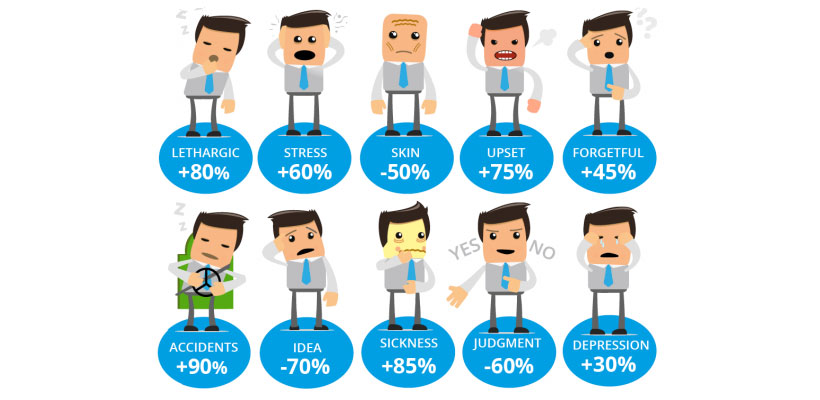
The effects of lack of sleep!

Did you know that an important consideration when treating a patient with overweight and obesity is, sleep apnoea?

Obesity is a major risk factor for the increased incidence of sleep apnoea. Sleep apnoea is a sleep disorder characterised by pauses in breathing or periods of shallow breathing during sleep.

As a person gains weight, especially in the trunk and neck area, the risk of sleep-disordered breathing increases due to compromised respiratory function. As it disrupts normal sleep, those affected are often sleepy or tired during the day.

PREV
NEXT

Related Posts

September 19, 2016
Meet a CCH student
Read More
February 1, 2015
Office move to LSBU
Read More
April 12, 2018
Junk Food Advertising: How Much is Too Much?
Read More
January 30, 2017
APPG Meeting Monday 5th December 2016
Read More

CCH LINKS

FAQ
HOW TO APPLY
ACADEMIC ADVISORY BOARD
FACULTY AND STAFF
TERMS & CONDITIONS
CCH EDUCATION SERVICES

OUR PARTNERS

NOF
Haringey Obesity Alliance
Skills Active
CPD UK
ASO
REPS
Southwark
DIT
Healthcare Uk
OAC

ABOUT CCH

CONTACT US
[email protected]
+44 (0)20 3773 4895
Technopark, 90 London Road, LONDON, SE1 6LN
 

© The College of Contemporary Health