

Does AI Help You Reflect, or Just Write Faster?
By Nigel Hinchliffe Director of Education, CCH.
During a curriculum review workshop several years ago, a group of newly qualified nurses were asked to share a reflective account they were proud of. Most had written competent, structured pieces that moved neatly through Gibbs’ stages: description, feelings, evaluation, analysis, conclusion, action. When asked whether those accounts had changed anything about the way they practised, the room went quiet. They had learned to write reflection. They had not necessarily learned to reflect.
“They had learned to write reflection.
They had not necessarily learned to reflect.”
That gap, between the performance of reflection and reflection as a genuine habit of professional learning, is not a new problem. It is, however, an urgent one. Generative AI tools are now capable of producing plausible reflective writing at speed. Before the profession reaches for AI as a solution to reflective practice, it is worth being aware of what the problem actually is.
Has reflection been taught as a skill?
Healthcare professionals are required to reflect, assessed on their reflections, and held accountable for them at revalidation. The Nursing and Midwifery Council, for instance, requires five written reflective accounts as part of the revalidation process (NMC, 2019).
What is less common is being explicitly taught how to reflect: how to move from description into analysis, how to connect personal experience to evidence, how to sit with uncertainty rather than resolve it prematurely into a tidy learning point.
Gibbs’ Reflective Cycle (1988) is the dominant framework, precisely because its six stages – description, feelings, evaluation, analysis, conclusion, action planning – provide a scaffold practitioners can follow without having been taught the underlying skill. That is both its strength and its limitation. Applied well, Gibbs takes a practitioner from raw experience to transferable learning. Applied as a form to be completed, it produces the kind of account that satisfies an assessor without troubling the practitioner who wrote it.
This is the baseline problem AI enters. Not a profession of skilled reflectors who lack time, but a profession in which written reflection may well be delivered, but practitioners may not have learned how to reflect
What AI offers, and what it does not do automatically
Generative AI tools – Claude, ChatGPT, Copilot and others – are capable of functioning as structured thinking partners in a way that a blank page cannot. Used well, they can prompt practitioners through Gibbs’ stages with tailored questions, surface relevant clinical frameworks, and help translate half-formed thoughts into coherent prose.
For a nurse processing a safeguarding concern, or a GP working through a difficult prescribing decision, an AI interlocutor that asks “What assumptions were you making at that point, and what would challenge them?” can move the reflection further than a prompt to “complete your analysis section”.
But this is not automatic. A general AI model’s default behaviour is to affirm and reflect back.
Asked to help with a reflective account, it will typically smooth, summarise and endorse. Getting it to meaningfully challenge a clinician’s reasoning requires deliberate prompt design. That design is itself a competency, and one that many practitioners have yet to acquire. The AI needs to be asked to:
- Notice a self-serving account
- Probe an unexamined assumption
- Push back on a premature conclusion
There is also a legitimate concern about cognitive offloading. The effort of articulating an experience is an important aspect of reflective learning: finding the words, sitting with ambiguity, returning to an account and revising it. Moon’s theoretical work on reflection and experiential learning argues that this effortful processing is part of how meaning is constructed from experience, rather than a delivery mechanism for insight that exists independently of it (Moon, 2004).
The real risk: effortless performance
A 2024 systematic review of reflective writing as summative assessment found that power dynamics between students and markers can lead to ‘performative instead of genuine reflection’ and concluded that student voices in assessed work may not represent authentic participation ‘because students may lack agency as they are on the wrong side of a power imbalance and are motivated to pass’ (Ross, Bohlmann and Marren, 2024). The conventions of a passable reflective account, such as a growth narrative, appropriate emotional awareness, or a clear action point, are learnable independently of the reflection itself.
AI makes producing that performance effortless. A practitioner who has absorbed the conventions can generate a convincing Gibbs account of a clinical encounter they have not meaningfully examined, in minutes, with minimal cognitive effort.
AI will be used in reflective writing; it already is. The real question for educators and professional bodies is whether the assessment frameworks and supervisory practices we have built are robust enough to distinguish genuine reflection from sophisticated production. Many are not, which is a problem for education design to solve, not for the technology.
Where AI can make a real difference
None of this means AI has no role. It means the role needs to be designed rather than assumed.
For student practitioners, AI can function as a responsive scaffold – asking the questions a supervisor would ask, at the moment when the experience is still live rather than weeks later in a tutorial.
The immediacy matters: Mann, Gordon and MacLeod’s review identified proximity to the experience as one of the variables that influences the quality of reflective learning (2009). A tool that meets practitioners in that proximate moment, rather than waiting for a scheduled portfolio deadline, addresses a real structural gap.
A systematic review of how health-professions students use generative AI found these tools most often supported learning through inquiry and in practice, rather than simple content acquisition (Pham et al., 2025).
For experienced clinicians preparing for supervision or appraisal, AI offers a way to organise thinking before the formal conversation rather than during it, reducing the time spent on description and increasing what is available for deeper analysis. The preparation is the reflection; the supervision becomes its extension.
For practitioners processing emotionally charged events – errors, patient deterioration, moral distress – the non-judgemental quality of an AI interlocutor is not trivial. The psychological safety required for honest reflection is not always available in formal supervisory relationships, and a first pass engagement with an AI tool may lower the threshold for authentic disclosure in a subsequent human conversation.
Prompting as a professional skill
The common thread across these applications is that the value of AI in reflective practice depends almost entirely on how it is used. A tool set up to challenge will challenge; a tool set up to affirm will affirm. The distinction is determined by the practitioner’s prompting, and prompting is a skill.
“A tool set up to challenge will challenge.
A tool set up to affirm will affirm.”
That skill can be taught directly. Practitioners can learn to build challenge into their prompts in the same way they learn any other clinical or communication skill: through worked examples, supervised practice, and feedback. This might mean asking the AI to argue the counter-case, name the assumption they have not examined, or hold back the tidy conclusion until the uncertainty has been explored.
Embedding this in professional development does not require waiting for system-wide change. It can sit inside existing CPD structures:
- A short module on prompt design for reflective practice
- Worked examples built into portfolio guidance
- Supervisors modelling the technique in appraisal conversations.
The frameworks for reflective practice already exist; what is needed is training practitioners to use AI within them deliberately, rather than assuming the tool will do the work on its own.
The Gibbs cycle has endured for nearly four decades because its structure is sound. What it has always needed is a workforce able to use it as a habit of thinking rather than a form to complete. AI does not change that requirement. It raises the stakes on meeting it. Whether AI ends up supporting genuine reflection or accelerating its performance depends on whether that training happens now.
What this means in practice
When AI makes reflective writing easier, it does not automatically make reflective learning more likely. The outcome depends on whether practitioners learn to prompt it to challenge their thinking, rather than simply affirm it.
Colleges and providers who educate healthcare professionals can address this directly, rather than wait for the wider profession to resolve it. Teaching prompt design as part of CPD, portfolio guidance, and supervision is not a future ambition. It is available now.
How to Take This Further
If this is a skill you want to build, our short course, Getting More from ChatGPT: Prompting Skills for Healthcare Professionals, includes a prompt template for reflective practice specifically, as well as the course’s wider training in getting reliable, useful output from any AI tool you use.
Click here to learn more.
About the author
This article was written by Nigel Hinchliffe, Director of Education at the College of Contemporary Health (CCH). Nigel has extensive experience in clinical education, with a particular focus on how healthcare professionals develop and demonstrate competence throughout their careers. At CCH, he leads the development of evidence-based training programmes and regularly provides feedback on learner’s reflective submissions as part of their professional development.
• Gibbs G (1988) Learning by doing: a guide to teaching and learning methods. Oxford: Further Education Unit, Oxford Polytechnic.
• Mann K, Gordon J, MacLeod A (2009) Reflection and reflective practice in health professions education: a systematic review. Advances in Health Sciences Education. 14(4):595-621.
• Moon JA (2004) A handbook of reflective and experiential learning: theory and practice. London: RoutledgeFalmer.
• Nursing and Midwifery Council (2019) Revalidation: how to revalidate with the NMC. London: NMC. Available at: https://www.nmc.org.uk/revalidation/
• Pham TD, Karunaratne N, Exintaris B, Liu D, Lay T, Yuriev E, Lim A (2025) The impact of generative AI on health professional education: a systematic review in the context of student learning. Medical Education. 59(12):1280-1289.
• Ross M, Bohlmann J, Marren A (2024) Reflective writing as summative assessment in higher education: a systematic review. Journal of Perspectives in Applied Academic Practice. 12(1):54-67

Reflecting on 2025: Celebrating Our Healthcare Community
As the year draws to a close, we wanted to pause and say something we mean: thank you.
By Nina Sabat, CCH Marketing and Learning Experience Architect
This year has been shaped by healthcare professionals choosing to deepen their knowledge, strengthen their practice and stay engaged with learning – often alongside demanding clinical roles and limited time.
At CCH, our purpose is simple but serious: to support confident, evidence-based practice in weight management and related areas of care. Everything we create is guided by that commitment.
Here is a snapshot of what we have achieved together this year.
1 research paper published
This year marked the publication of our research paper – GLP-1 receptor agonists in the management of COVID-19 and long COVID for patients with underlying metabolic disorders. Contributing to the wider evidence base matters deeply to us, and reinforces our commitment to education that is credible, current and clinically relevant. Read the published paper.
3 new CPD-accredited short courses released
We released three new CPD-accredited short courses on GLP-1 medications and AI in healthcare, each designed to address real gaps in training and support practical decision-making in clinical settings. As always, our focus was on clarity, relevance and evidence – learning that was created to be immediately applicable in the real world. View our CPD-accredited short courses.
24,000+ hours of CPD delivered
This year, healthcare professionals chose to invest thousands of hours in their professional development through CCH – from short courses to full postgraduate programmes. That trust means something to us. Learn more about our mission at CCH.
Every number above represents real people, real learning and a shared belief that better education supports better care. Whether this was the year you completed your first CPD course with us, updated your clinical knowledge or simply stayed curious – it all counts.
Thank you for learning with us this year. We are looking forward to 2026.
About the Author
Nina Sabat is the Marketing and Learning Experience Architect at CCH. She studied Neuroscience at UCL and went on to work in the NHS on a Community Diabetes Support Programme – experience that gave her first-hand insight into the realities of clinical work and the challenges healthcare professionals navigate daily. At CCH, she brings that understanding to course development, instructional design and marketing, working to create learning that is accessible, relevant and fits into busy professional lives.

When Four Organisations Publish Joint Guidance, It Is Not Just Good Practice: It Is an Admission
Four leading American health organisations have published joint guidance on nutritional priorities for GLP-1 therapy. Competing bodies do not typically collaborate this way. From an educational perspective, this signals a workforce preparation gap that traditional medical training failed to address. The guidance itself is sound. The fact it needed to be written at all is the real story.
by Nigel Hinchliffe, CCH Director of Education
What the Guidance Reveals
The joint clinical advisory “Nutritional priorities to support GLP-1 therapy for obesity” from the American College of Lifestyle Medicine, the American Society for Nutrition, the Obesity Medicine Association, and The Obesity Society (Mozaffarian et al., 2025) outlines eight clinical priorities: baseline nutritional assessment, personalised nutrition plans, micronutrient monitoring, adequate protein intake with strength training, and support for broader lifestyle change. These are sensible clinical recommendations that should already be standard practice.
That competing professional bodies felt compelled to collaborate and publish such guidance is significant. This is not routine. When organisations pool resources and authority in this way, it signals something more fundamental than best practice. It signals a gap that traditional training structures have failed to address.
The Prescription Outpaced the Preparation
GLP-1 prescribing has surged globally. In the UK, as elsewhere, these medications have moved from diabetes management to mainstream obesity treatment with remarkable speed. The medications work: that is not in question. Weight loss averages 15-25% over one year. For many patients, these drugs represent the first treatment that produces meaningful, sustained results.
But beneath those headline numbers sits a more complex reality:
When GLP-1 medications are discontinued, up to two-thirds of lost weight returns within one year, even with continuing lifestyle intervention (Wilding et al., 2022). Discontinuation is not rare: more than half of patients stop treatment within twelve months (Wilding et al., 2025).
Lean body mass can account for 15-40% of total weight loss, raising legitimate concerns about muscle preservation, particularly in older adults (Neeland et al., 2024).
Many patients initiating GLP-1 therapy already present with nutritional deficiencies related to previous dietary patterns, which appetite-suppressing medications can compound if intake is not carefully monitored.
These are not theoretical risks. They are predictable consequences of deploying effective pharmacotherapy without adequately preparing the workforce to manage the broader clinical picture.
Where the Training System Failed
Traditional medical education trains practitioners to prescribe medications. It does not systematically prepare them to integrate pharmacotherapy within comprehensive obesity care models.
Consider what is actually required to use GLP-1 medications well:
- Nutritional competence to assess baseline status, monitor micronutrients, and guide adequate protein intake
- Exercise physiology knowledge to recommend resistance training protocols that preserve lean mass
- Behaviour change skills to support patients through appetite suppression, side-effect management, and long-term adherence
- Clinical judgment to identify which patients are appropriate candidates and when to adjust or discontinue treatment
Most prescribers received minimal training in obesity management during their medical education. Many have no formal training in nutrition science or behaviour change. The expectation that they will seamlessly integrate these competencies whilst managing existing clinical workloads is unrealistic.
That is the gap this joint guidance exposes. Four organisations had to collaborate to publish what amounts to a remedial curriculum, not because practitioners are not capable, but because the training infrastructure never equipped them for this role in the first place.
What UK Healthcare Can Learn
The guidance originates from American organisations, but the implications are universal. GLP-1 mechanisms, clinical challenges, and workforce preparation gaps do not respect healthcare system boundaries.
The UK has an opportunity to address this more systematically:
Acknowledge the competency gap openly The NHS already recognises that obesity care requires specific competencies. The College of Contemporary Health developed comprehensive obesity care competencies for UK healthcare education, emphasising that practitioners should:
- Use patient-centric techniques for shared decision-making
- Apply integrated knowledge of nutrition, physical activity, behavioural interventions and pharmacotherapy
- Work collaboratively within interdisciplinary teams (Capehorn et al., 2022)
The American guidance validates these competencies. The question is whether UK healthcare will invest in developing them systematically or continue expecting practitioners to acquire them informally.
Provide structured professional development All healthcare professionals supporting patients on GLP-1 therapy (not just prescribers) benefit from understanding these medications’ mechanisms, metabolic effects, and integration with nutrition and lifestyle factors. This includes practice nurses, dietitians, physiotherapists, health coaches, and pharmacists.
CCH’s two-hour online course, GLP-1 RAs in Focus: Why Drugs Like Ozempic Work, offers accessible professional development for any healthcare role involved in supporting these patients. But single courses are not sufficient. What is needed is embedded professional development across training programmes, with nutrition and behaviour change integrated into core curricula rather than treated as optional add-ons.
Build multidisciplinary infrastructure The American guidance emphasises that no single practitioner holds all necessary expertise. Effective obesity care requires coordinated, multidisciplinary practice. Yet many UK healthcare settings lack the infrastructure for dietitians, psychologists, physiotherapists and prescribers to work collaboratively on obesity management.
Building this infrastructure demands investment, not just in individual competencies but in systems that enable effective teamwork.
The Broader Pattern
This is not unique to GLP-1 therapy. It is the pattern of how healthcare education responds to clinical innovation: slowly, incompletely, and only after gaps become too conspicuous to ignore.
We see it repeatedly. New treatments emerge. Evidence accumulates. Clinical practice evolves. And training structures lag behind, leaving practitioners to bridge the gap through self-directed learning, on-the-job experience, and eventual remedial guidance like this joint advisory.
The question is not whether GLP-1 medications are valuable (they demonstrably are). The question is whether we are prepared to support the people using them, and whether we will build that preparation into training systems or continue addressing it retrospectively through joint guidance documents.
For the organisations that published this advisory, the answer was clear: the gap had grown too large to leave unaddressed. That they felt compelled to collaborate across professional boundaries to address it tells us everything we need to know about the scale of the challenge.
Useful Resources
- Mozaffarian D et al. (2025) Nutritional priorities to support GLP-1 therapy for obesity
- CCH online short course: GLP-1RAs in Focus – Why Drugs Like Ozempic Work
- CCH online short course: Behaviour Change Skills – Complete Package
- Capehorn MS et al. (2022) UK obesity care competencies
About the Author
This article was written by Nigel Hinchliffe, Director of Education at the College of Contemporary Health (CCH). Nigel has extensive experience in clinical education, with a particular focus on obesity care and the safe integration of new therapies into practice. At CCH, he leads the development of evidence-based training programmes that support healthcare professionals in delivering high-quality, patient-centred care.
Click below for References
Capehorn, M.S., Hinchliffe, N., Cook, D., Hill, A., O’Kane, M., Tahrani, A.A., Vincent, A., Williams, S. and Feenie, J. (2022) ‘Recommendations from a working group on obesity care competencies for healthcare education in the UK: a report by the steering committee’, Advances in Therapy, 39, pp. 3019-3030.
Mozaffarian, D., Agarwal, M., Aggarwal, M., Alexander, L., Apovian, C.M., Bindlish, S., Bonnet, J., Butsch, W.S., Christensen, S., Gianos, E., Gulati, M., Gupta, A., Horn, D., Kane, R.M., Saluja, J., Sannidhi, D., Stanford, F.C. and Callahan, E.A. (2025) ‘Nutritional priorities to support GLP-1 therapy for obesity: a joint advisory from the American College of Lifestyle Medicine, the American Society for Nutrition, the Obesity Medicine Association, and The Obesity Society’, Obesity, 33, pp. 1475-1503.
Neeland, I.J., Lim, S., Tchang, B.G., Gastaldelli, A., Rangel Soares, A.L., Mundi, M.S., Hocking, S.L., Janez, A. and Pozzilli, P. (2024) ‘Changes in lean body mass with glucagon-like peptide-1-based therapies and mitigation strategies’, Diabetes, Obesity and Metabolism, 26(10), pp. 4363-4379.
Wilding, J.P.H., Batterham, R.L., Davies, M., Van Gaal, L.F., Kandler, K., Konakli, K., Lingvay, I., McGowan, B.M., Oral, T.K., Rosenstock, J., Wadden, T.A., Wharton, S., Yokote, K. and Kushner, R.F. (2022) ‘Weight regain and cardiometabolic effects after withdrawal of semaglutide: the STEP 1 trial extension’, Diabetes, Obesity and Metabolism, 24(8), pp. 1553-1564.
Wilding, J.P.H., Batterham, R.L., Fujioka, K., Kataoka, M., MacNeil, D.J., Rubino, D., Christensen, R., Jensen, C.B. and Wadden, T.A. (2025) ‘Discontinuation and reinitiation of dual-labeled GLP-1 receptor agonists among US adults with overweight or obesity’, JAMA Network Open, 8(1), e2429779.

Ozempic and GLP-1 Drugs Added to WHO Essential Medicines List – What Healthcare Professionals Need to Know
The WHO has added GLP-1 receptor agonists (GLP-1RAs), often referred to as GLP-1 drugs, to its Essential Medicines List. This signals global recognition of their role in treating obesity and type 2 diabetes. From an educational perspective, this is a turning point. It will accelerate patient demand and prescribing opportunities for healthcare professionals worldwide. The question we must now ask is how to best prepare for their safe and effective use.
By Nigel Hinchliffe, CCH Director of Education
Global recognition of GLP-1 therapy
The World Health Organisation has just published its latest Essential Medicines List (EML) – the first since July 2023. One of the most notable new inclusions is GLP-1-based medications (such as Wegovy, Ozempic and Mounjaro) for type 2 diabetes and obesity treatments.
The EML is a list of over 500 medicines that the WHO consider essential to meet priority healthcare needs. These medicines should be available to all, affordable and of assured quality at all times. Medicines are selected based on public health relevance, evidence of benefits and harms, and with consideration of cost and affordability.
Four GLP-1RA drugs are now included in the EML:
- dulaglutide (Trulicity)
- liraglutide (Saxenda)
- semaglutide (Ozempic/Wegovy) and
- tirzepatide (Mounjaro/Zepbound)
Their inclusion confirms what many of you will already have observed in practice: these are no longer fringe therapies, but treatments you must be ready to encounter routinely.
What this means for healthcare professionals
This decision signals global recognition of GLP-1RAs as critical therapies for serious chronic conditions – for treating metabolic disorders. It stands in sharp contrast to the public narrative that too often frames them as cosmetic quick fixes.
For practitioners, this shift will likely be significant. It could mean more time spent answering patient questions, more conversations about eligibility, and in many cases more opportunities to prescribe. In fact, whether you are directly involved in prescribing or working alongside those who are, these changes will affect everyday clinical practice. The challenge is ensuring that you are not only ready to meet demand but also prepared to integrate these medicines safely and thoughtfully into care.
Access and affordability challenges
The inclusion of Ozempic and other GLP-1RA drugs on the WHO list of Essential Medicines also raises questions of equity. Will these medicines be available and affordable for people living with obesity and type 2 diabetes worldwide?
At present, access remains limited. In the private sector, costs and supply constraints limit use. On the NHS, access is further restricted by the tight eligibility criteria set by NICE.
But change is coming. Cost and supply barriers are likely to ease over the next few years, as patents expire and generic versions become available. For example, liraglutide’s European patents are due to expire in 2026, with dulaglutide following in 2027–2028. The WHO’s decision should encourage governments to prepare, influencing policies, funding and procurement to improve availability and access.
For the UK, this could be transformative. Increased availability and lower costs may prompt NICE to broaden eligibility, enabling wider GLP-1RA prescribing on the NHS. For those of us working in education, this presents both an opportunity and a responsibility: ensuring professionals are supported to use these therapies well.
Wider access would also bring system-wide benefits, since preventing complications of obesity and diabetes – from cardiovascular disease to cancer and liver disease – is both clinically sound and economically sensible.
For healthcare professionals, the question is not whether you will encounter these drugs, but how ready you will be to use them well.
Preparing for safe GLP-1RA prescribing
Recent media reports of people obtaining GLP-1RA drugs from private clinics, or even the black market, without adequate medical oversight show the risks of uncontrolled use. This has already led to poor outcomes and, in some cases, serious emergencies.
The WHO’s decision to classify these medicines as essential has the potential to change this picture. By embedding GLP-1RA prescribing within NHS pathways, particularly in NHS primary care, people living with type 2 diabetes and/or obesity will gain access to GLP-1RA therapy within structured, long-term, multi-modal care. But it also raises the stakes: safe prescribing depends on practitioners having the right preparation and confidence.
Many frontline healthcare professionals will need additional support to build this knowledge and confidence. These drugs were traditionally confined to diabetes management pathways. Their use in weight management and obesity care requires careful attention to contra-indications, side-effect management, dose optimisation, and integration with diet and lifestyle support.
Targeted education is one of the most effective ways to bridge this gap. High-quality CPD can equip you with the knowledge and skills to prescribe responsibly or to contribute meaningfully to treatment planning, even if you are not prescribing directly. For those seeking a practical starting point, CCH’s online course GLP-1RAs in Focus – Why Drugs Like Ozempic Work, offers a clear, evidence-based introduction in just two hours.
Looking ahead to 2026
Next year 2026, could mark a turning point in obesity and diabetes care. Recognition of GLP-1RA medications as essential medicines, combined with greater availability, will almost certainly increase both prescribing opportunities and patient demand.
As an educator, I see this as a moment to prepare. For healthcare professionals, the question is not whether you will encounter these drugs, but how ready you will be to use them well. By strengthening your knowledge and skills now, you will be best placed to meet the challenge – and to support patients in making the most of this new phase in care.
FAQs: Ozempic, GLP-1 drugs, and the WHO Essential Medicines List (2025)
Why did WHO add GLP-1 drugs to the Essential Medicines List?
The World Health Organisation (WHO) reviews medicines for the Essential Medicines List based on public health relevance, evidence of benefit, safety, and cost-effectiveness. GLP-1 receptor agonists, such as semaglutide and tirzepatide, were added in 2025 due to strong evidence that they improve outcomes in people with type 2 diabetes and obesity, reducing cardiovascular risk as well as supporting weight management and improving blood sugar control.
Which GLP-1 drugs are included on the WHO list?
The 2025 Essential Medicines List includes dulaglutide (Trulicity), liraglutide (Saxenda/Victoza), semaglutide (Ozempic/Wegovy), and tirzepatide (Mounjaro/Zepbound). These medicines were selected for their efficacy, safety, and potential to address the global burden of obesity and type 2 diabetes.
What does this mean for NHS access to GLP-1 therapies?
In the UK, NHS access to GLP-1 drugs is currently restricted by NICE eligibility criteria and supply limitations. The WHO decision does not directly change NHS policy, but it is likely to influence future guidance. As costs fall with the arrival of generic versions from 2026 onwards, NICE may broaden eligibility, making these treatments more widely available.
Are GLP-1 drugs safe for all patients?
GLP-1 therapies are effective but not suitable for everyone. Contra-indications include a history of certain endocrine conditions, while gastrointestinal side effects such as nausea are common during dose escalation. Safe prescribing requires clinical assessment, careful monitoring, and support with diet and lifestyle changes. This is why training and professional education are vital for healthcare providers.
Quick Links
Find the 2025: WHO Model List of Essential Medicines here.
Find a clear, evidence-based intro to GLP-1 drugs with the online course. Click here to explore GLP-1RAs in Focus – Why Drugs Like Ozempic Work.
About the Author
This article was written by Nigel Hinchliffe, Director of Education at the College of Contemporary Health (CCH). Nigel has extensive experience in clinical education, with a particular focus on obesity care and the safe integration of new therapies into practice. At CCH, he leads the development of evidence-based training programmes that support healthcare professionals in delivering high-quality, patient-centred care.
Read More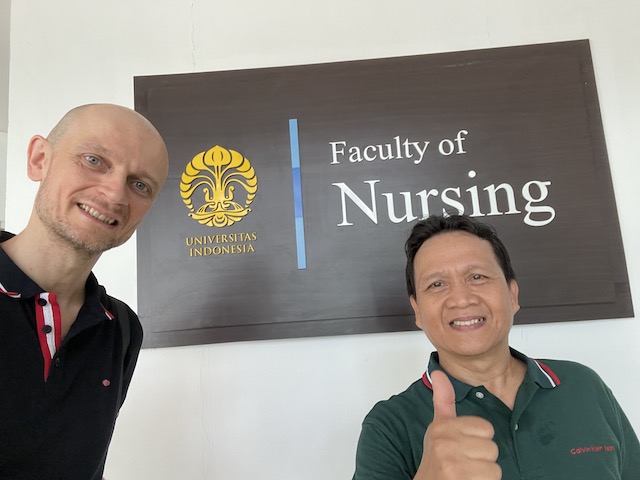
CCH expands educational horizons in Indonesia with key partnership
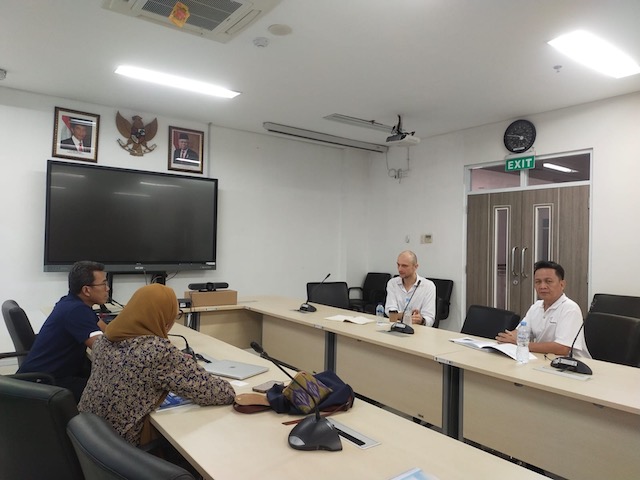
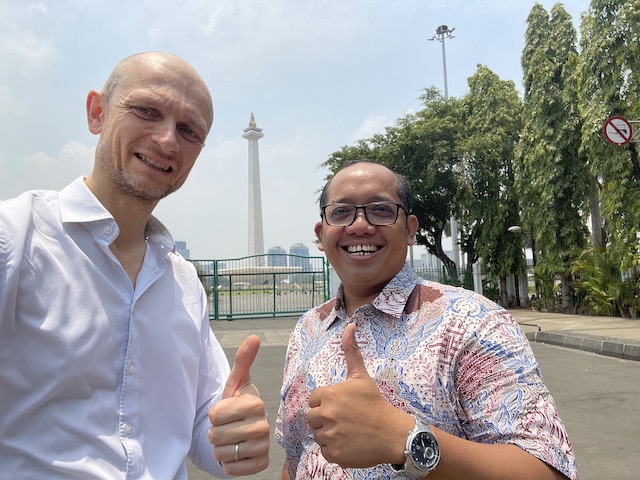
JAKARTA, Indonesia – In a significant move to expand educational opportunities in Indonesia, the College of Contemporary Health’s (CCH) Dzidek Sabat has successfully forged a new path of collaboration with one of Indonesia’s most prestigious educational institutions. During his recent visit, Dzidek met with officials from the Makara UI Academy, a division of the esteemed University of Indonesia (UI), the UI Faculty of Nursing, and representatives from the Indonesian Nurses Association Educational Institution. These meetings highlighted a shared vision for educational advancement and underscored the importance of global partnerships in enriching learning experiences.
The visit reached a remarkable milestone with the signing of a Memorandum of Understanding (MOU) between CCH and the University of Indonesia. This gala event marked the beginning of a significant collaboration, wherein CCH will provide its cutting-edge online training courses to Indonesian learners. This agreement opens up new avenues for students and professionals in Indonesia to access CCH’s renowned online educational resources, thus bridging geographical barriers and fostering a more interconnected world of knowledge and skills.
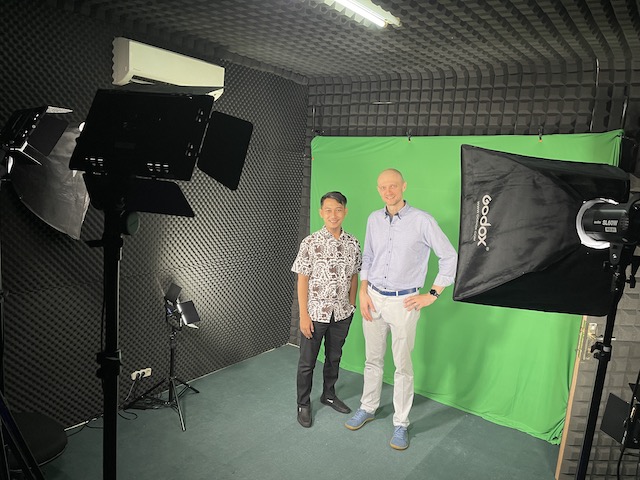
Further deepening this educational exchange, Dzidek engaged in an enriching all-day workshop with the staff of Makara UI Academy. This session focused on the exchange of online course development expertise and best practices, setting the stage for a robust and dynamic educational partnership. Such interactions not only enrich the educational fabric of both organisations but also pave the way for innovative learning solutions tailored to the evolving needs of students globally.
This partnership is a testament to CCH’s commitment to extending its educational reach and impact, while also enriching the learning landscape in Indonesia. It’s a step towards a future where education knows no bounds, and learning is a shared, global journey.
About the College of Contemporary Health (CCH):
CCH is a leader in online education, providing top-tier learning resources across various disciplines. With a focus on making high-quality education accessible, CCH continues to break new ground in online learning, fostering academic excellence and innovation worldwide.
Contact:
Nicholas Feenie
Business Development Manager
College of Contemporary Health Ltd.
[email protected]
+44 (0)20 3773 4895
www.contemporaryhealth.co.uk
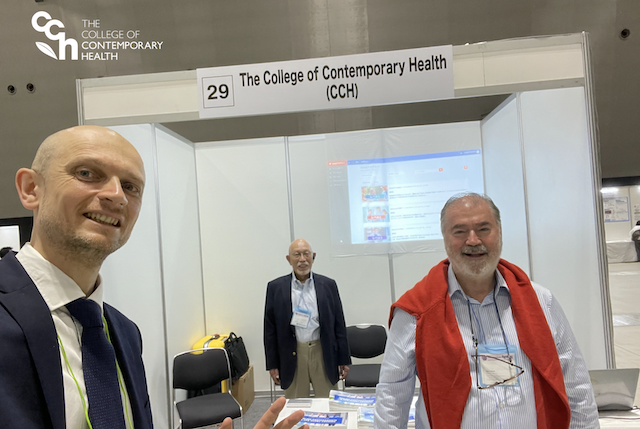
CCH Participates in Independent Ageing Expo and Convention 2023 in Japan
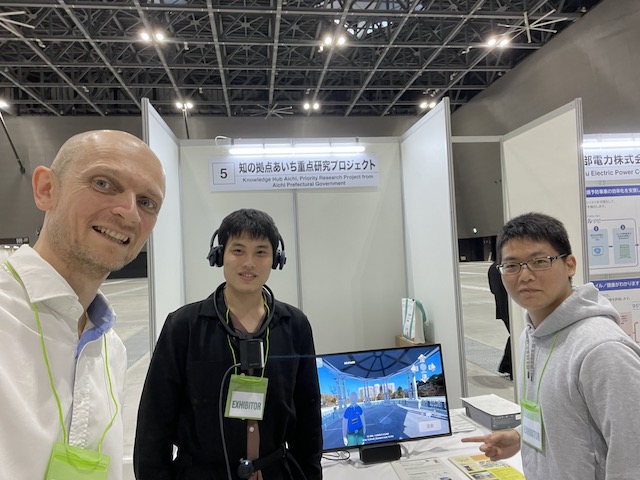
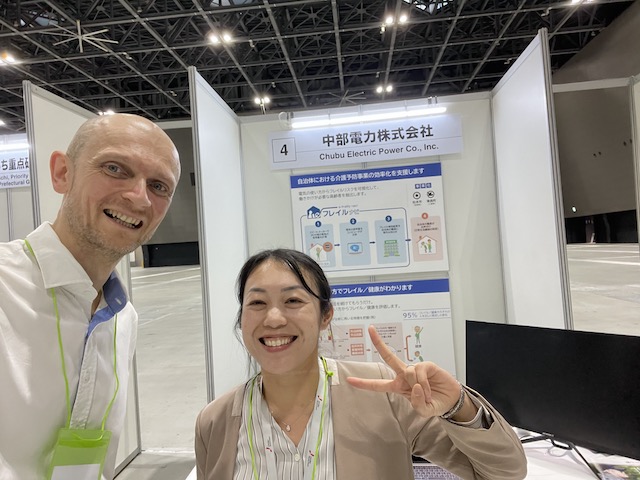
John Feenie, CEO, and Dzidek Sabat, Product Development Manager, attended the Independent Ageing Conference in Aichi, Japan, in mid-October. The Expo attracted over 950 delegates worldwide, drawn to Aichi by Japan’s leadership in various aspects of dementia care, both clinical and societal.
CCH, initially focused on courses in obesity care and, more recently, digital health, has formed a partnership with the National Center for Geriatrics and Gerontology in Obu City, Aichi Prefecture, Japan. Together, they have created an online course in the Japanese language, aimed at fostering the development of multidisciplinary teams in dementia care for hospitals across Japan. This marks CCH’s first foray into dementia care training, with plans to expand its mission to provide courses on the subject in many countries, particularly in Asia.

About the College of Contemporary Health (CCH):
CCH is a leader in online education, providing top-tier learning resources across various disciplines. With a focus on making high-quality education accessible, CCH continues to break new ground in online learning, fostering academic excellence and innovation worldwide.
Contact:
Nicholas Feenie
Business Development Manager
College of Contemporary Health Ltd.
[email protected]
+44 (0)20 3773 4895
www.contemporaryhealth.co.uk

What’s wrong with GPs’ obesity guidance – and what actually works?
General practitioners (GPs) often dispense vague and unproductive weight-loss advice to patients struggling with obesity, reveals a study led by the University of Oxford and published in the journal Family Practice. Having analysed 159 audio recordings of consultations in 137 UK surgeries, researchers found that doctors’ advice, such as “reduce your carbohydrates” and “move more,” was largely generic and rarely tailored to the patients’ pre-existing knowledge and habits.
The complexity of obesity management, particularly its multifactorial nature, can make the provision of comprehensive, effective advice a daunting task for many overworked and diligent GPs. However, in a healthcare landscape where a mere 0.1% of doctors have received any training in obesity care (1), it becomes essential to question the status quo.
Indeed, the imperative nature of this issue becomes clearer when considering the qualitative research led by Dr. Madeleine Tremblett at the University’s Nuffield Department of Primary Care Health Sciences. For patients living with obesity, Tremblett argues that the common message to “eat less and do more” isn’t fitting. Micro-behavioural changes typically suggested by GPs often fail to create meaningful weight-loss impacts for these patients.
GPs themselves require guidance about evidence-based advice they can offer to people living with obesity, hinting at the need for a more profound understanding and specialised training in obesity care.
While many nutrition professionals acknowledge that weight-loss management is a specialist subject, the current training gap among healthcare professionals indicates an unmet need in medical education. We need to look beyond a sole consultation with a nutritionist and understand the value of comprehensive training, such as that provided by the College of Contemporary Health (CCH).
The case of Mel Idroos, a PGDip in Obesity Care graduate from CCH, serves as an inspiring example of the difference professional training in obesity care can make. Working in the Well-being directorate, Mel’s patient base predominantly consists of individuals with overweight or obesity.
With her Postgraduate Diploma from CCH, Mel has already begun to apply her newfound knowledge, developing and delivering Tier 2 adult weight management services. Mel’s experience underscores the potential of robust and comprehensive training in the treatment of obesity. With her newfound confidence, she can now navigate the complexities of patient questions and provide valuable advice that enhances patient health outcomes.
The training offered by institutions like CCH, coupled with practical implementation, can bring a significant change in patient care. It’s therefore essential for health systems and medical institutions to acknowledge this training gap and equip healthcare professionals with the skills they need to improve their patients’ health.
Obesity is a complex condition that demands a sophisticated approach. Only by tailoring advice to the unique needs and circumstances of each patient can we hope to make strides in obesity care. It’s time to move beyond the “one-size-fits-all” advice and equip our healthcare professionals with the skills to provide non-judgemental nuanced, patient-specific advice. Only then can we truly claim to be tackling the obesity epidemic head-on.
Thus, training healthcare professionals in obesity care is not just an opportunity to improve individual patient outcomes, it’s a public health imperative. Institutions like the College of Contemporary Health, which provide such comprehensive training, are leading the way in this essential work.
- Candesic Consultancy (2015) Obesity training levels in the UK workforce (analysis of HSCIC workforce statistic)
PGCert, PGDip, and MSc in Digital Health launched
The College of Contemporary Health (CCH) has been involved with the development of University of Central Lancashire’s (UCLan) new postgraduate programme in Digital Health. The programme, Master of Science (MSc) in Digital Health, is designed to provide students with a comprehensive education in the use of technology in healthcare. The flexible design enables the student to exit the programme with either a Postgraduate Certificate (PGCert), or a Postgraduate Diploma (PGDip) in digital health.
The programmes will cover key areas such as telemedicine, artificial intelligence, and the use of wearables in healthcare. Students will have the opportunity to develop a deep understanding of the ways in which digital technologies can improve the delivery of care and enhance patient outcomes. The coursework will be delivered by experienced professionals from the healthcare and technology industries, providing students with a unique blend of academic and practical expertise.
The MSc programme is aimed at doctors, healthcare professionals, and other individuals who wish to specialise in digital health. The PGCert and PGDip programmes are designed for those who want to develop a more general understanding of the field and gain a solid foundation in the use of technology in healthcare.
The launch of these new programmes reflects CCH’s commitment to providing high-quality education and training in digital health. CCH aims to equip students with the skills and knowledge they need to make a positive impact in the field of digital healthcare, an exciting and rapidly developing field that will present graduates with a vast array of opportunities going forward.
All awards will be awarded by the University of Central Lancashire (UCLan).
Read More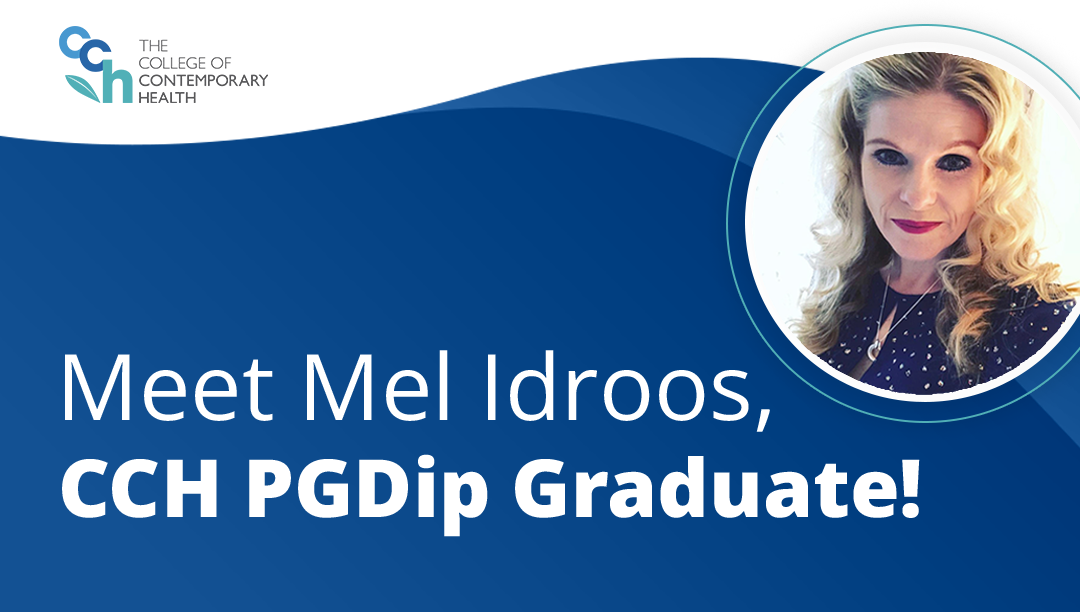
Meet Mel Idroos, CCH PGDip Graduate!
Meet Mel Idroos, PGDip in Obesity Care graduate!
Having completed one of our CPD Short Courses in 2015, Mel decided to expand upon her new knowledge base by taking the plunge and beginning her postgraduate studies with the College of Contemporary Health (CCH).
Beginning in September of 2020, with the ambitions of deepening her knowledge of obesity and enhancing her clinical practice, Mel graduated from CCH in September of 2022 with a Postgraduate Diploma (PGDip) in Obesity Care with Merit.
Since her graduation, Mel has already begun to put what she’s learned into practice developing and delivering Tier 2 adult weight management services, making a meaningful impact in the lives of her patients with obesity.
Here we have interviewed Mel about the impact she is making with her Postgraduate Diploma from CCH:
Q: Hi, Mel! Where do you work at the moment?
A: I work for a Community Interest Company. We are contracted by the local county council to deliver a Tier 2 adult weight management service.
Q: What profession do you work in?
A: I work in the Well-being directorate. As well as adult weight management we deliver a range of health and well-being services to the local population.
Q: Who are some of the patients you assist on a day-to-day basis?
A: We see a wide range of clients in our weight management service. Almost all have a long-term condition associated with excess weight and have tried multiple approaches to lose weight over many years.
Q: What percentage of your patients have overweight or obesity?
A: All clients who come to the service, either as a self-referral or through an HCP referral, have overweight or obesity. The average referral BMI is 36.
Q: What inspired you to study obesity care?
A: I wanted to deepen my knowledge of obesity and enhance my clinical practice as well as cascading what I have learnt to our team of practitioners.
Q: Why did you choose CCH?
A: Working full-time I was attracted to the flexibility of CCH’s online learning. I particularly enjoyed the variety of module options offered. Paediatric Obesity’ and ‘Obesity and Reproductive Health’ were 2 modules that offered entirely new areas of study for me

Q: How did gaining your PGDip at CCH enhance the care that you provide to your patients?
A: I used the information gained through studying the PGDip to enhance and augment our core programme ‘My Weight Matters’. I was able to write new content for the course covering topics not previously included. Sleep, stress, mindful eating practices and social support are just some of the information I was able to add. The course’s behaviour change and psychological aspects were valuable in enhancing the quality of our 1-1 and group interventions.
Q: What has changed most in your practice since starting your studies?
A: The course has given me more confidence to answer those tricky and complex questions that clients often ask!
Q: What is one of the biggest takeaways you gained from your PGDip as a health professional?
A: The topic of weight stigma really struck a chord with me. I have an idea for a piece of work in this area and hope to implement this across our service very soon.
Q: Would you encourage other health professionals to pursue a PGDip with CCH?
A: I would absolutely encourage other health professionals to pursue this course. Much of what I have learnt I have already put into practice.
Q: What is the main reason you would recommend CCH courses to your colleagues?
A: I would recommend this course due to the high-quality materials offered to engage with, and the diversity of topics covered. The tutor support is excellent. The online, flexible approach was also highly-valuable to me.
The College of Contemporary Health, with the University of Central Lancashire Medical School, offers the first, and only, fully online postgraduate qualifications (PGCert/PGDip/MSc) in Obesity Care not just for UK based students, but for students across the world.
We offer 3 student intakes per year starting in January, May, and September.
Click here to apply: Apply for a Postgraduate Qualification in Obesity Care.
Read More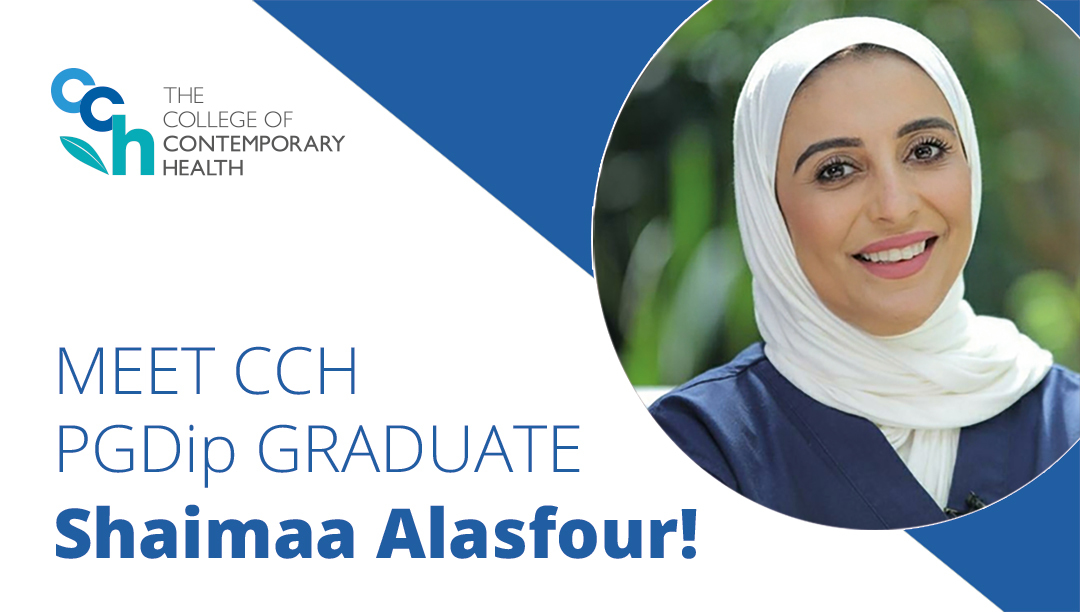
Meet CCH PGDip Graduate, Shaimaa Alasfour!
Shaimaa graduated from CCH in 2020 with a Postgraduate Diploma (PGDip) in Obesity Care and Management (now Lifestyle Medicine). Since her graduation she has found fulfilment and happiness working at a health center, using her specialist training in obesity care to make a meaningful impact in the lives of her patients with obesity. Here we have interviewed her about the impact she is making with her postgraduate qualification from CCH.
Q: Hi, Shaima! Where do you work at the moment?
A: At the moment I work in the state of Kuwait, at the Al Nuzha Health Center.
Q: What profession do you work in?
A: I’m currently a consultant in family medicine at MRCGP International, and I specialise in obesity medicine and management as more of a subspecialty.
Q: Who are some of the patients you assist on a day-to-day basis?
A: On a day-to-day basis I deal with many different patients with a variety of diseases from acute to chronic, and also non-communicable conditions which affect all different age groups and ethnicities.
Q: What percentage of your patients have overweight or obesity?
A: It is well known that Kuwait has the highest prevalence of obesity in comparison with other regions in the Gulf. Also, obesity has a significant association to other chronic conditions such as diabetes melitus, hypertension, and so on. I can’t say definitively what percentage of my patients have an abnormally high BMI, but I would say it is more than 75-80% of them that do, and 90% of those patients have some sort of chronic disease from obesity which is why they’re visiting the clinic.
Q: Why did you choose to study obesity care and management?
A: You will be surprised to know that my first choice was to study geriatric care, but luckily, God chose the right path for my career and that was to help and assist with many people, but especially those who have undergone bariatric surgery, and children with obesity, many of whom suffer in silence. During the Covid-19 lockdowns, everyone was affected either mentally or physically, but I felt that children were most significantly affected, especially with weight regain. That is why I have become more focused on children. I want them to live normal and healthy lives without the risk of cardiovascular disease that childhood obesity can bring about.
Q: Why did you choose CCH?
A: There were many important reasons behind my decision to study with CCH. Firstly, I knew CCH could really increase my knowledge in this area, but I also knew they could help enhance my clinical skills as well. Upon studying with CCH, I really noticed an improvement in my critical thinking skills, and also how significantly improved my writing skills became!
Q: How did gaining your PGDip at CCH enhance the care that you provide to your patients?
A: I noticed positive changes during my fellowship in obesity management with Imperial College London especially at the multi-disciplinary team meetings and daily clinic attendance. It also increased my interest in childhood obesity.
Q: What is one of the biggest takeaways you gained from your PGDip as a health professional?
A: My PGDip has made me a lot more confident when treating people with obesity, and it’s also given me a real passion to do it as well!
Q: Would you encourage other health professionals to pursue a PGDip with CCH?
A: Yes, definitely! I would encourage anyone who is interested to go ahead and learn about the mystery of obesity and enrol with the CCH. You’ll start with the basics, and believe me, you will never want to stop until you’ve covered all aspects of obesity!
The College of Contemporary Health, in partnership with the University of Central Lancashire Medical School, offers the first, and only, fully online postgraduate qualifications (PGCert/PGDip/MSc) in Obesity Care not just for UK based students, but for students across the world, like Shaimaa in Kuwait.
We offer 3 student intakes per year starting in January, May, and September.
Click here to apply: Apply for a Postgraduate Qualification in Obesity Care.
What is Lifestyle Medicine?
Obesity, along with many other non-communicable diseases, is the result of a complex range of factors, many of which relate to lifestyle, and are underpinned by physical, emotional, environmental and social determinants.
Lifestyle medicine (LM) seeks to address these underlying issues to improve the health and wellbeing of individuals and societies. LM offers healthcare professionals and patients a powerful tool for obesity prevention and treatment. LM is not, on its own, the answer to the obesity crisis, but for most people it will be part of the solution.
Lifestyle medicine is an evidence-based approach to educating, guiding and supporting individuals and populations to make positive behaviour changes, with:
A focus on:
- healthy eating
- physical activity
- stress management and
- adequate sleep.
It also emphasises the importance of good mental health and interpersonal relationships, and the individual’s home and community environment.
Lifestyle medicine recognises the need for, and the continued importance of, other therapeutic interventions for obesity, including pharmaceutical and surgical, where appropriate.
The College of Contemporary Health, in partnership with the University of Central Lancashire Medical School, offers the first, and only, fully online postgraduate qualifications (PGCert/PGDip/MSc) in Obesity Care not just for UK based students, but for students across the world.
We offer 3 student intakes per year starting in January, May, and September.
Click here to apply: Apply for a Postgraduate Qualification in Obesity Care.
CCH Launches First Course in Arabic!
THE COLLEGE OF CONTEMPORARY HEALTH, LONDON, LAUNCHES FIRST COURSE IN NUTRITION AND WEIGHT MANAGEMENT IN ARABIC IN PARTNERSHIP WITH UNITED AMERICAN EXPERTISE, CAIRO
The College of Contemporary Health (CCH) is pleased to announce the launch of its highly acclaimed fully online CPD short course, Nutrition and Weight Management Essentials, in Arabic, in association with its Middle Eastern partner, United American Expertise (UNAMEX).
This is a first for CCH in having one of its flagship courses made available to healthcare professionals in the region and intends to make all of its courses in obesity and weight management available in Arabic.
“In 2020, CCH was approached by UNAMEX’s Cairo branch, a long established company in the region prominent in introducing pharmaceutical and healthcare services to the Middle East where there is a major healthcare problem with obesity and its comorbidities including Type-2 diabetes, high blood pressure, chronic heart disease, lipedema, many types of cancer, and osteoarthritis” said John Feenie, Founder and CEO of CCH. “Obesity is out-of-control in many Middle Eastern countries, and unfortunately, as in many Western countries, healthcare professionals locally have been inadequately trained to deal with the problem. This course, newly available in Arabic, Nutrition and Weight Management Essentials, provides a strong basis for healthcare professionals to gain the knowledge necessary to help rectify this deficiency. The arrival of the Covid-19 pandemic has brought this deficiency in training into sharp focus as there is clear evidence of a strong link between obesity, its comorbidities, and vulnerability to Covid-19 infection”, he added.
Obesity is out-of-control in many Middle Eastern countries, and unfortunately, as in many Western countries, healthcare professionals locally have been inadequately trained to deal with the problem. This course, newly available in Arabic, Nutrition and Weight Management Essentials, provides a strong basis for healthcare professionals to gain the knowledge necessary to help rectify this deficiency.”
“UNAMEX has a long history of introducing advanced products and services from Western countries to the Middle East via our Cairo office”, said Dr. Khaled Sharaf, General Manager. “In recent years we have concluded that the continuing professional development (CPD) of our healthcare professionals would be an area of opportunity for us, and we decided that our initial venture into this area should be in the rapidly evolving field of obesity care where we learned that CCH, based in London, was a leader in the field. We were especially attracted to their strong capability in online learning as well, which affords busy doctors and other healthcare professionals the time and convenience needed to acquire new knowledge and skills. We have since worked closely together to bring this course to a new audience in Arabic and we are very proud to do this”, Dr. Sharaf added.
The College of Contemporary Health, is located in London and since its establishment in 2013 has been a pioneer in the introduction of advanced online academic and continuing professional development short courses in obesity care and weight management, digital health and behavioural change therapies.
UNAMEX was established in Chicago, Illinois in 1981. In 1982, a new branch was established in Cairo, Egypt. Then, in 2006, another branch was established in Hong Kong. UNAMEX is a consultancy firm specialised in the pharmaceutical & healthcare sector focussing mainly on the Europe & Middle East regions. UNAMEX staff are top eminent professionals in the healthcare sector with extensive experience in consultancy & market research projects.
For further information please contact:
Nicholas Feenie at:
Email: [email protected]
Phone: +44 (0)20 3773 4895
Dr Khaled Sharaf at:
Email: [email protected]
Phone: +201151288333