AI-powered precision health and lifestyle coaching improves outcomes in people with type 2 diabetes, Cleveland Clinic-led study finds
Key Takeaways:
- 71% of participants using the AI-enabled intervention achieved an A1C of below 6.5% with reduced reliance on glucose-lowering medications, compared with only 2.4% in standard care.
- The intervention group experienced greater weight loss, improved quality of life, and higher treatment satisfaction scores.
- Use of glucose-lowering medications, including GLP-1 receptor agonists and insulin, was markedly reduced among those using the AI-supported approach.
Personalising diabetes care with artificial intelligence
New research led by Cleveland Clinic has shown that a bundled precision health programme combining artificial intelligence (AI), wearable sensors, and lifestyle coaching can significantly improve outcomes for people living with type 2 diabetes.
The findings, published in The New England Journal of Medicine Catalyst, revealed that 71% of participants in the intervention group achieved the target of lowering their haemoglobin A1C to below 6.5% using fewer medications. By contrast, only 2.4% of those receiving standard care achieved the same outcome.
Dr Kevin M. Pantalone, Director of Diabetes Initiatives at Cleveland Clinic and professor of medicine at the Cleveland Clinic Lerner College of Medicine, served as the study’s primary investigator.
How the system works
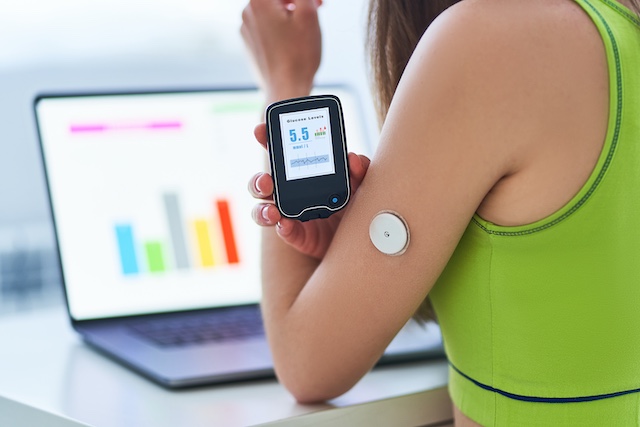
The intervention, developed by Twin Health and called Twin Precision Treatment, integrates AI-driven insights with continuous monitoring and personalised guidance. The system gathers real-time data on blood glucose, weight, blood pressure, physical activity, and sleep through wearable sensors and Bluetooth-enabled devices such as continuous glucose monitors.
This data is analysed by AI, which predicts an individual’s blood glucose responses to specific meals and generates personalised dietary recommendations. The system also provides tailored exercise guidance and includes human telecoaching to support behaviour change. All information is delivered through a smartphone app, enabling individuals to make sustainable lifestyle adjustments in real time.
Dr Pantalone explained:
“In routine clinical practice, type 2 diabetes is often treated with a one-size-fits-all approach where individuals are prescribed medications and told to ‘watch their diet and stay active.’ By leveraging personalised lifestyle modifications to understand each patient’s unique metabolic profile, the tool enabled individuals to make impactful lifestyle choices. The results show that with the right tools, we can not only manage type 2 diabetes more effectively but also reduce dependence on glucose-lowering medications.”
Details of the clinical trial
The trial enrolled 150 participants, recruited through collaboration with 13 Cleveland Clinic primary care physicians. Of these, 100 individuals were assigned to the bundled intervention group, while 50 received standard care.
On average, participants were:
- 58.5 years old
- Living with type 2 diabetes for approximately nine years
- Presented with a mean body mass index (BMI) of 35.1
- Had an average A1C of 7.2% at baseline
All participants were prescribed metformin, with dosages adjusted as needed. The primary endpoint was achieving an A1C below 6.5% after 12 months while taking no diabetes medication other than metformin.
Significant improvements across outcomes
The results were striking:
- 71% of participants in the intervention group achieved the primary endpoint, compared with 2.4% in the standard care group.
- Participants in the intervention group lost 8.6% of body weight on average, compared with 4.6% in the standard care group.
- Quality-of-life scores and treatment satisfaction were notably higher in the intervention group.
Medication use also declined sharply among participants using the AI-enabled approach:
- GLP-1 receptor agonist use decreased from 41% to 6%
- SGLT-2 inhibitor use decreased from 27% to 1%
- Dipeptidyl peptidase-4 (DPP-4) inhibitor use decreased from 33% to 3%
- Insulin use decreased from 24% to 13%
Broader implications
According to the US Centers for Disease Control and Prevention, nearly one in ten Americans has diabetes, with around 90% of cases being type 2 diabetes. Long-term elevated blood glucose levels are linked to serious complications such as cardiovascular disease, kidney disease, stroke, and premature death.
Dr Pantalone emphasised the wider significance of the findings:
“Overall, our study demonstrated the AI-enabled, bundled system of sensors and coaching facilitated significant improvements in glycaemic control, weight loss, and quality of life versus usual care, while allowing marked de-escalation of glucose-lowering pharmacotherapy. Interventions like this system can help patients make informed, lasting lifestyle changes to control their blood sugar.”
He also highlighted the critical role of primary care in the study’s success:
“The trusted relationships between primary care physicians and their patients were instrumental in identifying, engaging and enrolling participants. This collaboration underscores the importance of clinical research beginning in the exam room, where meaningful conversations and change can take root.”