[email protected]

+44 (0)20 3773 4895

logologologo
  • About Us
    • The College
    • Advisory Board
    • Our Faculty and Team
    • Intelligence Hub
  • Topic Areas
    • Obesity Care
    • Digital Health
    • Behaviour Change
  • Courses
    • CPD Short Courses
    • PGCert in Obesity Care
    • PGCert in Digital Health
  • Apply
    • Postgraduate Qualification in Obesity Care
    • Postgraduate Qualification in Digital Health
    • FAQs
  • Resources
    • News
    • Our Publications
    • Monthly News Bulletins
    • Funding Options
  • Contact Us
    • Contact Us
  • Student Login

No products in the cart.

logologologo
  • About Us
    • The College
    • Advisory Board
    • Our Faculty and Team
    • Intelligence Hub
  • Topic Areas
    • Obesity Care
    • Digital Health
    • Behaviour Change
  • Courses
    • CPD Short Courses
    • PGCert in Obesity Care
    • PGCert in Digital Health
  • Apply
    • Postgraduate Qualification in Obesity Care
    • Postgraduate Qualification in Digital Health
    • FAQs
  • Resources
    • News
    • Our Publications
    • Monthly News Bulletins
    • Funding Options
  • Contact Us
    • Contact Us
  • Student Login

No products in the cart.

  • About Us
    • The College
    • Advisory Board
    • Our Faculty and Team
    • Intelligence Hub
  • Topic Areas
    • Obesity Care
    • Digital Health
    • Behaviour Change
  • Courses
    • CPD Short Courses
    • PGCert in Obesity Care
    • PGCert in Digital Health
  • Apply
    • Postgraduate Qualification in Obesity Care
    • Postgraduate Qualification in Digital Health
    • FAQs
  • Resources
    • News
    • Our Publications
    • Monthly News Bulletins
    • Funding Options
  • Contact Us
    • Contact Us
  • Student Login
October 12, 2016 by Nigel Hinchliffe Digital Health 0 comments

Lasting Wearable technology not as effective as previously thought

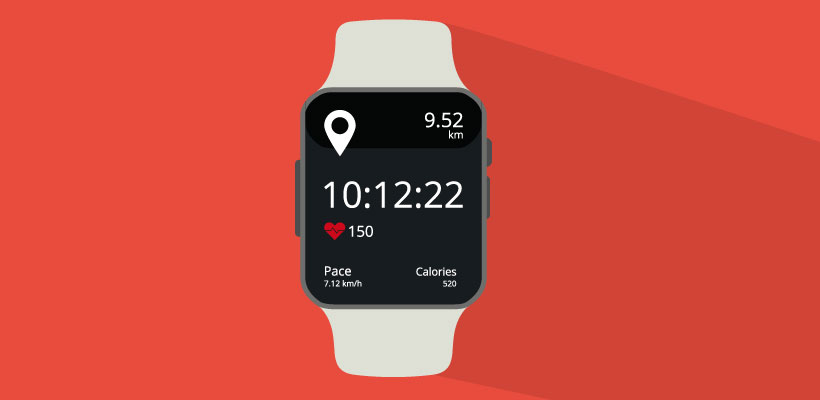
A recent study has concluded that wearable devices that monitor physical activity are not effective for sustaining weight loss. The study followed 470 participants over a 2 year period and found that those who did not use wearable devices showed nearly twice the weight loss benefits at follow-up. All participants were placed on low-calorie diets, given physical activity advice and received group counselling on nutrition, after 6 months half continued the sessions, whilst the others received the devices.

The researchers concluded that wearable devices do not confer an advantage to those looking to lose weight, over those using standard interventions. They further concluded that whilst these devices provided feedback and encouragement, they did not enhance adherence to healthy lifestyles, which is one of the most important aspects of committing to weight loss. The study’s lead researcher, John Jakicic said that ‘these devices should not be relied upon as tools for weight management in place of effective behavioural counselling for physical activity and diet’. Effective long-term treatments are needed for obesity, and rigorous assessment of current management plans must continue, as is the case with this study.


PREV
NEXT

Related Posts

Pharmacist taking medication off of a pharmacy shelf.
October 21, 2024
Harvard’s new AI model identifies potential treatments for rare diseases using existing drugs
Read More
Pills on a laptop.
December 18, 2023
New machine learning approach transforms behavioural health medication practices
Read More
Young man looking at his smartphone.
October 28, 2025
Digital Tools Show Promise in Schizophrenia Care, Large-Scale Study Finds
Read More
Making care smarter using predictive analytics
May 2, 2023
Making care smarter using predictive analytics
Read More

CCH LINKS

FAQ
HOW TO APPLY
ACADEMIC ADVISORY BOARD
FACULTY AND STAFF
TERMS & CONDITIONS
CCH EDUCATION SERVICES

OUR PARTNERS

NOF
Haringey Obesity Alliance
Skills Active
CPD UK
ASO
REPS
Southwark
DIT
Healthcare Uk
OAC

ABOUT CCH

CONTACT US
[email protected]
+44 (0)20 3773 4895
Technopark, 90 London Road, LONDON, SE1 6LN
 

© The College of Contemporary Health