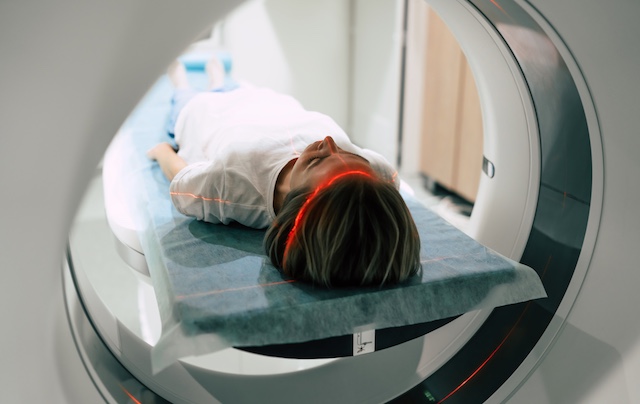
Mayo Clinic Study Uses AI and CT Imaging to Identify Midlife Risk of Falls
Key Takeaways:
- Artificial intelligence applied to routine abdominal CT imaging can identify adults at increased risk of falls as early as midlife.
- Muscle density, a marker of muscle quality, is a far stronger predictor of fall risk than muscle size.
- Abdominal muscle health and core strength appear to play an important role in physical function and fall prevention across adulthood.
AI reveals early markers of fall risk
Researchers at Mayo Clinic have demonstrated that artificial intelligence applied to abdominal imaging can help predict which adults are at higher risk of falling, even from middle age onwards. The study, published in Mayo Clinic Proceedings: Digital Health, highlights abdominal muscle quality as a key predictor of future falls among adults aged 45 years and older.
Falls remain a leading cause of injury, particularly in older populations. However, the research team found that early indicators of fall risk may already be visible in CT scans that many people undergo for unrelated clinical reasons. This raises the possibility of identifying and addressing fall risk much earlier in the life course.
Using CT imaging beyond its original purpose
Working alongside radiology bioinformatics specialists, the researchers examined whether AI-derived measurements from abdominal CT scans could uncover subtle physical changes associated with falls. These measurements included fat distribution, muscle size, muscle density and indicators of bone quality.
Their analysis showed that muscle density, rather than muscle size, was most strongly associated with fall risk. Muscle density reflects muscle quality and the degree of fat infiltration within muscle tissue, whereas muscle size simply measures overall volume.
Muscle density matters more than muscle size
“Muscle size is just a measure of how big your muscles are,” says lead author Jennifer St. Sauver, an epidemiologist at Mayo Clinic in Rochester. “Muscle density is different; on a CT scan, it’s a measure of how ‘dark’ and homogenous the muscles are.”
Dr. St. Sauver explains that more homogenous muscles tend to be denser and contain less fat. This distinction is clinically meaningful, as muscle quality is more closely linked to physical strength and function than size alone.
“Previous studies have suggested that muscle density, not size, is more strongly associated with physical strength and function,” she says. “Our results support the idea that we should be focusing on muscle density, not muscle size, when we try to understand physical function.”
Strong associations seen even in midlife
While the research team anticipated finding associations between poorer abdominal muscle measures and falls among older adults, they were surprised by how pronounced these relationships were in middle-aged adults. The strength of the association suggests that meaningful declines in muscle quality may begin earlier than traditionally recognised and that these changes can significantly predict future fall risk.
“Leg muscles have been associated with physical function, but our findings show that abdominal muscles also play a significant role,” Dr. St. Sauver says.
Implications for lifelong core strength
The findings reinforce the importance of maintaining core strength and muscle quality throughout adulthood, not only in later life. According to the researchers, prioritising abdominal muscle health may offer long-term benefits for balance, stability and physical independence.
“One of the most important messages from this research is to keep your abdominal muscles in the best shape possible,” Dr. St Sauver says. “Doing so may provide benefits that start in midlife and continue well into older adulthood.”
Together, these results suggest that AI-enhanced imaging could one day support earlier identification of people at increased risk of falls, allowing preventative strategies to be introduced well before injuries occur.