NHS pilots smart scale and app programme to support children living with severe obesity
Key Takeaways:
- A new NHS England pilot introduces smart scales and a connected app in 15 specialist clinics to support weight management among children living with severe obesity.
- The technology provides weight trend data without displaying exact figures, aiming to reduce anxiety and encourage sustainable behavioural change.
- Clinical teams receive data remotely and use the app to offer personalised, ongoing support to families in their own homes.
A New Technological Approach to Paediatric Obesity Care
NHS England has launched a pilot scheme involving the use of a smart scale and mobile app to support children living with severe obesity. The initiative is currently underway at 15 Complications from Excess Weight (CEW) clinics and is serving approximately 350 children and their families. A further four clinics are expected to adopt the programme during the summer months.
The tool forms part of a broader strategy to enhance obesity care through technology-enabled behavioural support, allowing clinical teams to monitor progress and communicate with families without requiring frequent in-person visits.
How the Smart Scale Works
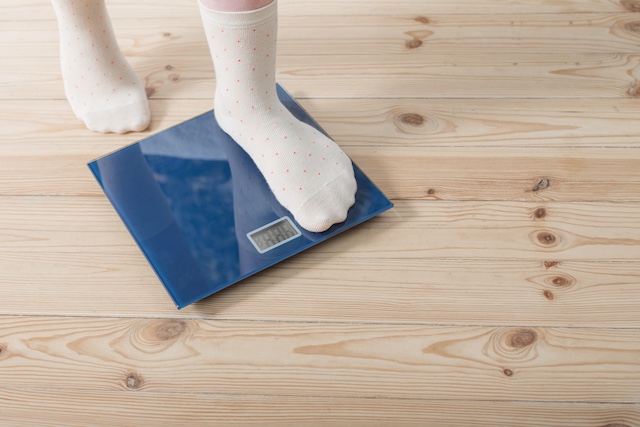
At the heart of the pilot is a specially designed set of smart scales for use at home. These scales do not display numerical weight readings. Instead, they connect to a mobile application which indicates the general direction of weight change – whether weight is being maintained, gained, or lost. This aims to reduce anxiety or fixation around specific weight measurements.
The app transmits the data directly to clinical teams, who can then provide regular, tailored feedback to families. This feedback is delivered through the app and forms part of a broader behavioural support strategy led by CEW clinics.
According to NHS England, this model allows clinics to extend their capacity to deliver holistic, multidisciplinary care that addresses not only physical health but also psychological and behavioural dimensions of obesity.
A Focus on Long-Term Behaviour Change
Professor Simon Kenny, NHS England’s National Clinical Director for Children and Young People, emphasised the significance of combining digital innovation with a person-centred, behavioural approach.
“It is fantastic that through cutting-edge technology and a holistic and behaviour change approach to obesity care, our specialist NHS clinics have already transformed the lives of thousands of children and young people – supporting them to lose weight, live healthier lives and improve their mental health.”
He continued by highlighting the added value of the new tool:
“This game-changing tool is helping our specialists support and keep track of children’s weight loss progress without them needing to leave home, while offering regular advice to them and their parents to help build healthy habits.”
A Scalable Model for Community-Based Support
The smart scale and app solution reflects a growing recognition within the NHS that effective obesity care must extend beyond clinical settings. By enabling care teams to maintain close contact with families remotely, the approach supports sustained engagement and long-term lifestyle change.
The NHS anticipates that this model, if successful, could become a blueprint for future technology-supported obesity interventions across the country – particularly in reaching families who may face barriers to regular clinic attendance.
As rates of childhood obesity remain high in the United Kingdom, especially among those from underserved and socioeconomically disadvantaged backgrounds, scalable, accessible solutions such as this one are becoming increasingly vital.