UVA’s artificial pancreas incorporates digital twin technology to enhance personalised diabetes management
Key Takeaways:
- Digital twin simulations allow personal experimentation: Individuals with Type 1 diabetes can safely trial adjustments to their artificial pancreas system using virtual models based on their own data.
- Improved blood glucose control: Use of the new system led to an increase in time spent within a healthy blood glucose range, from 72% to 77%, over six months.
- Biobehavioural co-adaptation: The approach supports better synchronisation between user behaviours and automated insulin delivery, enhancing real-world efficacy.
Introduction: A New Frontier in Personalised Diabetes Care
Researchers at the University of Virginia (UVA) have developed a novel approach to managing Type 1 diabetes using a form of artificial intelligence known as a digital twin. This innovation has been embedded into UVA’s artificial pancreas system and enables it to respond more effectively to each individual’s changing physiological needs. In a six-month clinical study, this adaptive model resulted in improved glucose control among participants.
The technology, termed “adaptive biobehavioural control”, facilitates a dynamic feedback loop between the person using the system and the device itself. It is the first study of its kind to allow individuals to test potential adjustments in a virtual space that reflects their own physiology before applying those changes in real life.
Adaptive Biobehavioural Control: How It Works
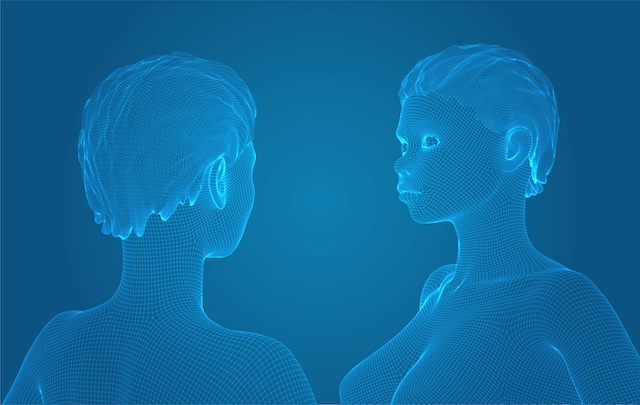
The core of the system lies in its digital twin architecture. This is a cloud-based computational model that mimics how a particular person’s body responds to insulin and processes glucose. The model is updated every two weeks based on recent user data, such as glucose readings, insulin usage, meals, and activity levels.
Users can interact with this virtual twin to test out modifications to the artificial pancreas system. For instance, they may simulate changes to insulin delivery overnight or during periods of physical activity, then observe how their digital twin would respond. This safe testing ground helps users make informed decisions and adapt their device settings accordingly.
Dr Boris Kovatchev, Director of the UVA Center for Diabetes Technology, explained:
“Artificial pancreas systems require adjustments by those who use them to adapt to a person’s changing insulin demands. This is the first study that maps each person to their ‘digital twin’ in the cloud and enables people with diabetes to experiment with their own data to learn how their artificial pancreas system would react to changes, in a safe simulation environment, before adjusting their system.”
Real-World Results: Measurable Improvements in Glucose Control
The study involved individuals living with Type 1 diabetes who used the adaptive system over a six-month period. Key outcomes included:
- Increased time in target glucose range: Participants increased the proportion of time their blood glucose levels remained within the recommended range from 72% to 77%.
- Lower average blood glucose: Although the reduction was modest, it was clinically meaningful in terms of reducing long-term complications.
The most notable gains occurred during the day, when glucose variability is greatest due to food intake and physical movement. Traditional artificial pancreas systems are generally more effective at night, when external variables are limited. The adaptive system’s ability to improve performance during waking hours represents a major advancement.
Human-Machine Co-Adaptation: The Next Step in Automated Care
A key strength of this approach is that it does not treat the individual as a passive recipient of care. Instead, it invites active engagement. The digital twin empowers users to co-manage their diabetes alongside the automated system, with each adapting to the other over time.
As Dr Kovatchev notes:
“Human-machine co-adaptation is critical for conditions like Type 1 diabetes, where treatment decisions are made both by the artificial pancreas algorithm and the person who wears it. Digital-twin technology is very helpful in facilitating this co-adaptation.”
This concept of shared decision-making between human and machine may well represent the future of chronic disease management—especially in conditions requiring continuous data monitoring and nuanced adjustments.
Conclusion
UVA’s integration of digital twin technology into its artificial pancreas system marks a significant stride in the pursuit of tailored diabetes care. By enabling people with Type 1 diabetes to model and refine their glucose management strategies in a safe and responsive environment, the system not only improves physiological outcomes but also strengthens user confidence and autonomy.
As the field of digital health continues to evolve, this hybrid model—blending machine learning, human insight, and patient-specific data—illustrates the promise of more intelligent, adaptive, and person-centred care.