[email protected]

+44 (0)20 3773 4895

logologologo
  • About Us
    • The College
    • Advisory Board
    • Our Faculty and Team
    • Intelligence Hub
  • Topic Areas
    • Obesity Care
    • Digital Health
    • Behaviour Change
  • Courses
    • CPD Short Courses
    • PGCert in Obesity Care
    • PGCert in Digital Health
  • Apply
    • Postgraduate Qualification in Obesity Care
    • Postgraduate Qualification in Digital Health
    • FAQs
  • Resources
    • News
    • Our Publications
    • Monthly News Bulletins
    • Funding Options
  • Contact Us
    • Contact Us
  • Student Login

No products in the cart.

logologologo
  • About Us
    • The College
    • Advisory Board
    • Our Faculty and Team
    • Intelligence Hub
  • Topic Areas
    • Obesity Care
    • Digital Health
    • Behaviour Change
  • Courses
    • CPD Short Courses
    • PGCert in Obesity Care
    • PGCert in Digital Health
  • Apply
    • Postgraduate Qualification in Obesity Care
    • Postgraduate Qualification in Digital Health
    • FAQs
  • Resources
    • News
    • Our Publications
    • Monthly News Bulletins
    • Funding Options
  • Contact Us
    • Contact Us
  • Student Login

No products in the cart.

  • About Us
    • The College
    • Advisory Board
    • Our Faculty and Team
    • Intelligence Hub
  • Topic Areas
    • Obesity Care
    • Digital Health
    • Behaviour Change
  • Courses
    • CPD Short Courses
    • PGCert in Obesity Care
    • PGCert in Digital Health
  • Apply
    • Postgraduate Qualification in Obesity Care
    • Postgraduate Qualification in Digital Health
    • FAQs
  • Resources
    • News
    • Our Publications
    • Monthly News Bulletins
    • Funding Options
  • Contact Us
    • Contact Us
  • Student Login
August 2, 2015 by Nigel Hinchliffe Global Health & Policy 0 comments

Children’s cartoons – adding to the obesity crisis?

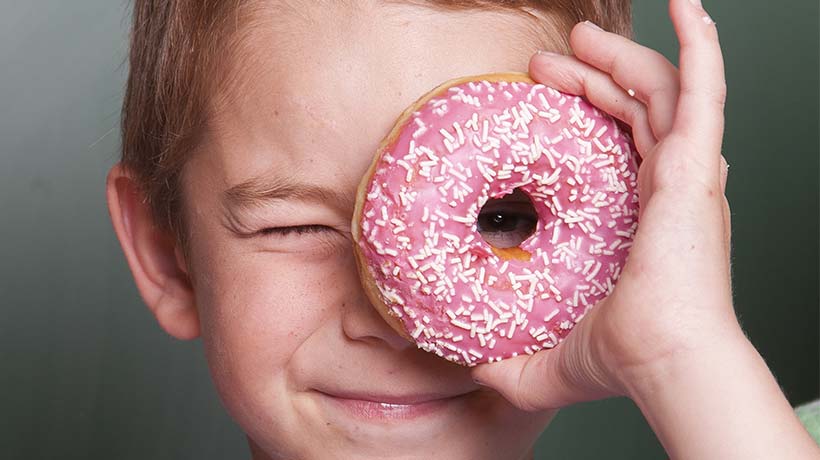
A recent report conducted at Colorado State University investigated whether cartoon characters are causing children to consume more food. The study analysed the effect of stereotype exposure on around 300 students split into 3 groups of 8, 12 and 13 year-olds. Researchers found that children consumed twice as much high-calorie food, like cookies and sweets after observing certain larger cartoon characters such as Peppa Pig or Homer Simpson. The effect of the overweight stereotype remained when overweight and healthy weight characters appeared simultaneously. Furthermore, the researchers found that children view ovoid shaped characters as obese, even though these characters are imaginary, and are therefore more likely to consume unhealthy foods afterwards.

Whilst this has shown that marketers need to be careful how they use characters in selling food to children, another idea that the study has brought to attention is that reinforcing healthy thinking and information in children’s cartoon characters may be an effective way to curb obesity.


Read more.

PREV
NEXT

Related Posts

Diet plan, apple and measure tape.
January 16, 2025
Global commission proposes comprehensive framework for obesity diagnosis and treatment
Read More
December 19, 2017
Food adverts during family TV shows encourage junk food consumption
Read More
March 31, 2016
The UK Sugar Tax
Read More
Heartbeat rate symbol and measuring tape.
January 23, 2026
Heart Disease Now Affects Nearly Half of US Adults, as Obesity and Diabetes Continue to Rise
Read More

CCH LINKS

FAQ
HOW TO APPLY
ACADEMIC ADVISORY BOARD
FACULTY AND STAFF
TERMS & CONDITIONS
CCH EDUCATION SERVICES

OUR PARTNERS

NOF
Haringey Obesity Alliance
Skills Active
CPD UK
ASO
REPS
Southwark
DIT
Healthcare Uk
OAC

ABOUT CCH

CONTACT US
[email protected]
+44 (0)20 3773 4895
Technopark, 90 London Road, LONDON, SE1 6LN
 

© The College of Contemporary Health