[email protected]

+44 (0)20 3773 4895

logologologo
  • About Us
    • The College
    • Advisory Board
    • Our Faculty and Team
    • Intelligence Hub
  • Topic Areas
    • Obesity Care
    • Digital Health
    • Behaviour Change
  • Courses
    • CPD Short Courses
    • PGCert in Obesity Care
    • PGCert in Digital Health
  • Apply
    • Postgraduate Qualification in Obesity Care
    • PGCert/PGDip/MSc in Digital Health
    • FAQs
  • Resources
    • News
    • Our Publications
    • Monthly News Bulletins
    • Funding Options
  • Contact Us
    • Contact Us
  • Student Login

No products in the cart.

logologologo
  • About Us
    • The College
    • Advisory Board
    • Our Faculty and Team
    • Intelligence Hub
  • Topic Areas
    • Obesity Care
    • Digital Health
    • Behaviour Change
  • Courses
    • CPD Short Courses
    • PGCert in Obesity Care
    • PGCert in Digital Health
  • Apply
    • Postgraduate Qualification in Obesity Care
    • PGCert/PGDip/MSc in Digital Health
    • FAQs
  • Resources
    • News
    • Our Publications
    • Monthly News Bulletins
    • Funding Options
  • Contact Us
    • Contact Us
  • Student Login

No products in the cart.

  • About Us
    • The College
    • Advisory Board
    • Our Faculty and Team
    • Intelligence Hub
  • Topic Areas
    • Obesity Care
    • Digital Health
    • Behaviour Change
  • Courses
    • CPD Short Courses
    • PGCert in Obesity Care
    • PGCert in Digital Health
  • Apply
    • Postgraduate Qualification in Obesity Care
    • PGCert/PGDip/MSc in Digital Health
    • FAQs
  • Resources
    • News
    • Our Publications
    • Monthly News Bulletins
    • Funding Options
  • Contact Us
    • Contact Us
  • Student Login
August 2, 2015 by Nigel Hinchliffe Obesity Care 0 comments

Weight loss – a futile exercise?

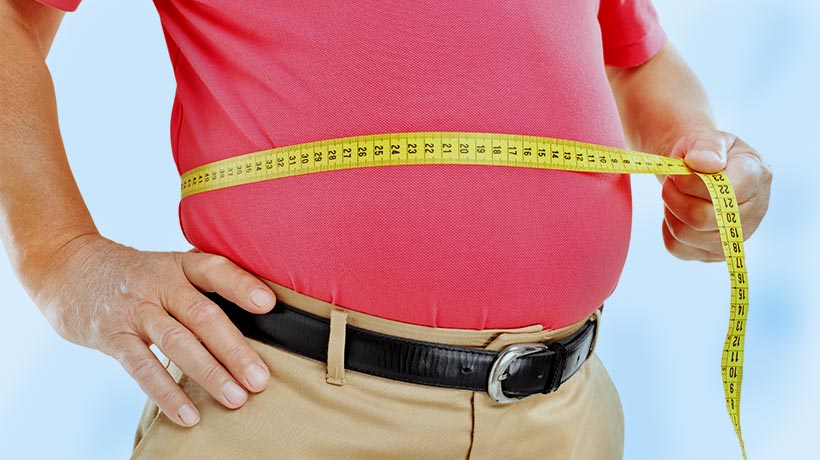
This is a conclusion from a large UK-based study conducted over 10 years. The analysis covered nearly 300,000 adults with data taken from the UK Clinical Practice Research Database, which is an anonymised database of longitudinal patient electronic medical records. Being the world’s largest primary care database and containing more than 7% of the UK population, the data is thought to be largely representative of the UK.

The study found that the chance of returning to a normal weight whilst being obese was 1 in 210 for men and 1 in 124 for women over a year. In morbidly obese patients these figures were 6 times worse in each group. Additionally, the research found that the probability of obese patients with BMI 30-34.9 (simple obesity) achieving a 5% weight reduction were 1 in 12 for men and 1 in 10 for women, however most had regained this weight and more after 5 years.

The study raised questions against the efficacy of current obesity treatments, saying that ‘current nonsurgical obesity treatments are failing’. It called for research to develop new and much more effective approaches to obesity management programmes that stop further weight gain and maintain weight loss. One of the authors of the paper, Professor Martin Gulliford commented that ‘the greatest opportunity for stemming the current obesity epidemic is in wider-reaching public health policies to prevent obesity in the population’.


Read more

PREV
NEXT

Related Posts

December 9, 2015
‘Healthy diet’ is not the same for everyone
Read More
July 20, 2015
Following in the father’s footsteps
Read More
Elderly gentleman having his breathing assisted.
October 8, 2025
Severe Obesity Accelerates Lung Ageing by Altering Tissue Structure, Study Finds
Read More
Assortment of protein bars on a table.
June 4, 2025
Collagen-based protein bars may support weight loss, study suggests
Read More

CCH LINKS

FAQ
HOW TO APPLY
ACADEMIC ADVISORY BOARD
FACULTY AND STAFF
TERMS & CONDITIONS
CCH EDUCATION SERVICES

OUR PARTNERS

NOF
Haringey Obesity Alliance
Skills Active
CPD UK
ASO
REPS
Southwark
DIT
Healthcare Uk
OAC

ABOUT CCH

CONTACT US
[email protected]
+44 (0)20 3773 4895
Technopark, 90 London Road, LONDON, SE1 6LN
 

© The College of Contemporary Health