Adults using semaglutide as first obesity medication achieve greater weight loss, study finds
A recent study has indicated that adults commencing semaglutide as their initial treatment for obesity experience more substantial weight reduction compared to those who had previously used other obesity medications. This research, published in the journal Diabetes, Obesity and Metabolism, was conducted by Andres J. Acosta, MD, PhD, and his team at the Mayo Clinic in Rochester, Minnesota. It marks the first investigation into how prior use of anti-obesity drugs influences weight loss outcomes with semaglutide.
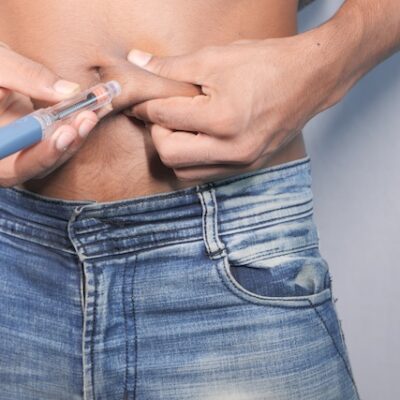
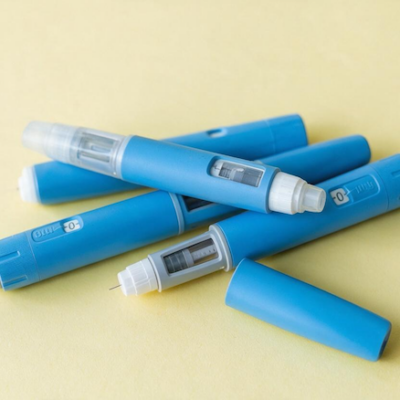
The retrospective cohort study analysed data from 305 adults treated at a Mayo Clinic centre from 2021 to January 15, 2023. Participants, who had an average age of 49 and were predominantly female (73%), received once-weekly subcutaneous injections of semaglutide (Wegovy, Novo Nordisk). The research team monitored body weight changes from baseline at 3, 6, 9, and 12 months after initiating treatment. Additionally, blood pressure and laboratory values were assessed at baseline and after one year.
Of those studied, 76% had not previously used any obesity medication before starting semaglutide, while 24% had used another obesity drug. Among the latter group, 28% had been treated with the GLP-1 receptor agonist liraglutide (Saxenda, Novo Nordisk), and 72% had used a non-GLP-1 obesity medication.
The findings revealed that those who were new to obesity medications and started with semaglutide saw a 14.3% reduction in body weight by 12 months, compared to a 10.6% decrease in those who had used other obesity treatments prior (P = .01). Despite similar proportions of both groups achieving at least 5% and 10% body weight loss, those new to obesity medication were significantly more likely to lose at least 15% (48% vs. 21%; P = .02) and at least 20% (27% vs. 4%; P < .01) of their body weight.
The analysis also showed a distinct pattern in weight loss during the first six months, where those without prior obesity medication use consistently lost more weight than those who had previously used liraglutide or other non-GLP-1 obesity drugs. By nine and twelve months, while weight loss among previous liraglutide users remained lower, those who had used other non-GLP-1 medications achieved similar weight loss to the semaglutide-naive group.
An interesting finding was that adults not previously on obesity medications exhibited a significant reduction in HbA1c levels at 12 months compared to their counterparts who had used such medications before (P < .001), although no other significant differences in metabolic outcomes were noted.
The study highlights a potential issue where prior usage of specific obesity treatments like liraglutide might lessen responsiveness to new medications such as semaglutide. The researchers suggested that these findings underscore the necessity for precision medicine in obesity management, advocating for treatment plans tailored to individual genetic backgrounds, environmental factors, and prior medication history to optimise effectiveness, reduce unnecessary drug exposure, and consider financial impacts on patients.
This study opens the door for further prospective research to explore and confirm the differential impacts of switching obesity medications and to enhance the understanding of optimal treatment strategies in obesity management.