[email protected]

+44 (0)20 3773 4895

logologologo
  • About Us
    • The College
    • Advisory Board
    • Our Faculty and Team
    • Intelligence Hub
  • Topic Areas
    • Obesity Care
    • Digital Health
    • Behaviour Change
  • Courses
    • CPD Short Courses
    • PGCert in Obesity Care
    • PGCert in Digital Health
  • Apply
    • Postgraduate Qualification in Obesity Care
    • Postgraduate Qualification in Digital Health
    • FAQs
  • Resources
    • News
    • Our Publications
    • Monthly News Bulletins
    • Funding Options
  • Contact Us
    • Contact Us
  • Student Login

No products in the cart.

logologologo
  • About Us
    • The College
    • Advisory Board
    • Our Faculty and Team
    • Intelligence Hub
  • Topic Areas
    • Obesity Care
    • Digital Health
    • Behaviour Change
  • Courses
    • CPD Short Courses
    • PGCert in Obesity Care
    • PGCert in Digital Health
  • Apply
    • Postgraduate Qualification in Obesity Care
    • Postgraduate Qualification in Digital Health
    • FAQs
  • Resources
    • News
    • Our Publications
    • Monthly News Bulletins
    • Funding Options
  • Contact Us
    • Contact Us
  • Student Login

No products in the cart.

  • About Us
    • The College
    • Advisory Board
    • Our Faculty and Team
    • Intelligence Hub
  • Topic Areas
    • Obesity Care
    • Digital Health
    • Behaviour Change
  • Courses
    • CPD Short Courses
    • PGCert in Obesity Care
    • PGCert in Digital Health
  • Apply
    • Postgraduate Qualification in Obesity Care
    • Postgraduate Qualification in Digital Health
    • FAQs
  • Resources
    • News
    • Our Publications
    • Monthly News Bulletins
    • Funding Options
  • Contact Us
    • Contact Us
  • Student Login
May 15, 2023 by Nicholas Feenie GLP-1RAs & Medications 0 comments

Weight loss injections could be prescribed to children with obesity

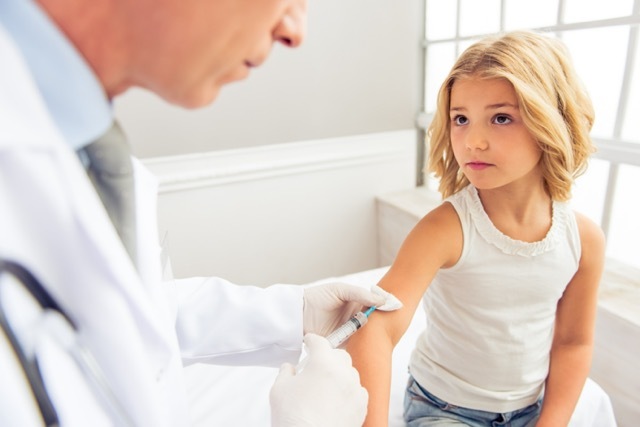
UK government officials are contemplating offering weight-loss injections to children with obesity as young as 12 in an effort to combat the escalating childhood obesity problem in the country.

Specialists are currently evaluating if semaglutide injections, a weight-loss medication recently sanctioned for adult use by the NHS, could be beneficial for children with obesity aged between 12 and 17. Health authorities are now encouraging the National Institute for Health and Care Excellence (NICE) to consider providing these injections to teenagers struggling with obesity.

The final decision, expected to be announced in early 2024, is being supported by experts who argue that the medication could prevent more children from needing invasive weight-loss procedures. However, this suggestion has sparked controversy, with some arguing it could lead to an over-medicalisation of children.

Those opposed to the idea of weight loss injections for children raise several concerns. They fear the potential interference of these drugs with the physical and mental growth and development of children. They also highlight the lack of evidence regarding the long-term effects of such treatments on children’s health.

Critics further argue that such injections might encourage an unhealthy emphasis on weight and physical appearance, potentially leading to body image issues and disordered eating. The potential for serious side effects from weight loss injections is another concern. Additionally, they worry about the psychological message these injections could send, implying that a child’s body is unacceptable as it is.

Professor Keith Godfrey, from the National Institute for Health and Care Research’s Southampton Biomedical Research Centre, warns that providing weight-loss injections to children might lead to the unnecessary medicalisation of an entire generation.

Charlotte Summers from Gro Health, a company offering health and wellbeing programs for adults, children, and young people, advocates for a more holistic approach: “By promoting healthy eating habits, regular physical activity, and a positive relationship with food, we can enable our children to attain and maintain a healthy weight throughout their lives. This comprehensive strategy not only contributes to physical wellbeing, but also lays a solid foundation for emotional and mental health. We must collaborate to support our children in adopting a balanced and wholesome lifestyle for a healthier, brighter future.”

PREV
NEXT

Related Posts

December 21, 2016
Narcolepsy drugs could help food addicts
Read More
DNA Strand Illustrating Genetics.
May 15, 2026
Genetics May Help Explain Why GLP-1 Weight-Loss Drugs Work Better for Some People Than Others
Read More
European flags in front of the Berlaymont building, headquarters of the European commission in Brussels.
April 16, 2024
European regulators find no evidence of link between new obesity medication and suicidal thoughts
Read More
Blue GLP-1 pen on a black background.
January 27, 2026
New Evidence Suggests GLP-1 Drugs May Improve Survival in Severe Psychiatric Disorders
Read More

CCH LINKS

FAQ
HOW TO APPLY
ACADEMIC ADVISORY BOARD
FACULTY AND STAFF
TERMS & CONDITIONS
CCH EDUCATION SERVICES

OUR PARTNERS

NOF
Haringey Obesity Alliance
Skills Active
CPD UK
ASO
REPS
Southwark
DIT
Healthcare Uk
OAC

ABOUT CCH

CONTACT US
[email protected]
+44 (0)20 3773 4895
Technopark, 90 London Road, LONDON, SE1 6LN
 

© The College of Contemporary Health