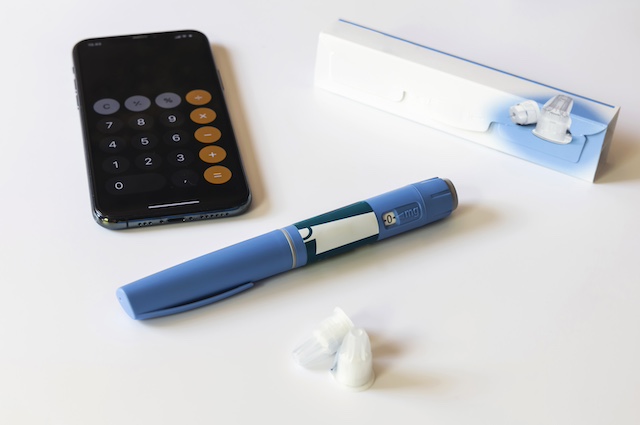
Biden proposes expanding Medicare and Medicaid to cover anti-obesity drugs
On Tuesday 26th of November, 2024, United States President Joe Biden announced a groundbreaking proposal to expand coverage of anti-obesity medications, such as Novo Nordisk’s Wegovy, to millions of individuals enrolled in Medicare and Medicaid. This initiative aims to significantly reduce out-of-pocket costs for eligible participants, with potential savings of up to 95%.
The proposal could make advanced weight management medications, particularly GLP-1 receptor agonists, accessible to a larger segment of the population. These drugs have demonstrated an average weight reduction of up to 20% and have been proven to lower risks of type 2 diabetes, heart attacks, and cardiovascular-related deaths. Without insurance coverage, these medications can cost as much as $1,000 monthly, placing them out of reach for many.
Current Coverage Gaps
At present, Medicare—a government health insurance programme—covers GLP-1 drugs like Eli Lilly’s Mounjaro and Novo Nordisk’s Ozempic for managing diabetes but does not extend coverage to versions such as Wegovy, which is approved specifically for treating obesity. Medicaid, a state-run programme, has the option to cover these drugs, but many states choose not to include them.
The new regulation proposed by the Department of Health and Human Services (HHS), published in the Federal Register, would mandate Medicare coverage of anti-obesity drugs. This could expand access for an estimated 3.4 million individuals with Medicare and an additional 4 million adults enrolled in Medicaid. If enacted, the policy would take effect in 2026.
Potential Political Hurdles
The timeline for implementation coincides with the start of the incoming administration, potentially complicating the policy’s future. President-elect Donald Trump’s nominee for Health Secretary, Robert F. Kennedy Jr., has expressed reservations about tackling obesity with medication, favouring lifestyle interventions such as healthy eating. This stance has led some analysts to view the proposal as a potential political flashpoint.
Ge Bai, a professor of health policy and management at Johns Hopkins University, commented, “This is setting up a political landmine for the Trump administration.” She noted that the incoming government’s anticipated focus on cost-cutting could fuel criticism if coverage of these drugs is scaled back. Democratic Senator Ron Wyden echoed this sentiment, vowing to hold the Trump administration accountable to ensure no regression in expanding access to these medications.
Larry Levitt, Executive Vice President for health policy at the non-profit KFF, highlighted the uncertainty surrounding the policy’s implementation. “RFK Jr. has expressed scepticism of these drugs, but Dr. Oz has praised them,” he said, referencing Trump’s selection of Dr Mehmet Oz, a television personality and surgeon, to lead the Centres for Medicare and Medicaid Services (CMS). Levitt suggested that the White House would ultimately decide, adding, “It may hesitate to block coverage that would likely be popular among many seniors.”
Financial Implications
The CMS estimates that expanding Medicare coverage for these medications would cost the federal government approximately $25 billion over the next decade, with Medicaid incurring an additional $11 billion in costs. States would bear around $4 billion of the Medicaid expenses. The total projected Medicare drug spending during this period is $2.1 trillion.
The Congressional Budget Office (CBO) has provided a broader perspective, estimating that Medicare coverage of anti-obesity drugs would increase federal spending by about $35 billion over eight years. Direct federal costs are expected to rise from $1.6 billion in 2026 to $7.1 billion by 2034.
Pushback on Pricing
The high cost of anti-obesity medications has been a point of contention. Senator Bernie Sanders has called on pharmaceutical companies like Novo Nordisk and Eli Lilly to lower their prices. “We cannot allow Medicare and Medicaid to simply be a cash cow for Novo Nordisk and Eli Lilly,” Sanders said.
Intense demand for these drugs has already caused supply shortages, with many individuals turning to less expensive compounded alternatives sold online, according to recent reports from Reuters.
Biden’s Broader Healthcare Agenda
This proposal is part of Biden’s wider push to make healthcare and prescription medications more affordable. Previous measures include capping insulin costs for Medicare recipients at $35 and limiting annual out-of-pocket prescription drug expenses for seniors to $2,000. The Inflation Reduction Act also mandated price negotiations between pharmaceutical companies and Medicare, resulting in significant price cuts for 10 drugs, ranging from 38% to 79%, set to begin in 2026. Ozempic and Wegovy are expected to be included in the next round of negotiations, with new prices introduced in 2027.
While former President Trump also sought to reduce drug costs during his first term, his measures were blocked by a federal judge, highlighting the contentious nature of pharmaceutical pricing reforms.
Looking Ahead
As the rule’s comment period remains open until 27 January—just after the next presidential inauguration—the future of this policy is uncertain. The proposal represents a significant shift towards recognising obesity as a complex medical condition requiring comprehensive treatment options. However, its success will depend on political will, public support, and the continued balancing of costs with public health outcomes.