Use of GLP-1 Drugs Soars Among People Undergoing Bariatric Surgery, Study Finds
Key Takeaways:
- The use of GLP-1 receptor agonists such as semaglutide and tirzepatide among bariatric surgery patients increased sixteenfold between 2020 and 2024.
- Both people with and without Type 2 diabetes are increasingly using these drugs, showing a shift toward combination approaches in obesity management.
- Researchers emphasise the importance of multidisciplinary care and call for evidence-based guidelines to optimise the use of GLP-1 drugs alongside surgery.
A rapid evolution in obesity care
New research has revealed a dramatic increase in the use of weight loss medications among people undergoing metabolic and bariatric surgery, signalling a major shift in the treatment of obesity and Type 2 diabetes.
The study will be presented at the American College of Surgeons (ACS) Clinical Congress 2025, held in Chicago from 4–7 October.
“There is no one-size-fits-all approach to treating obesity, metabolic syndrome, or diabetes and its related conditions,” said Dr Patrick J. Sweigert, senior author of the study and bariatric and foregut surgeon at The Ohio State University Wexner Medical Center in Columbus, Ohio. “We are entering a new world of multidisciplinary care pathways and a new frontier of weight management that is important for patients and surgeons to think about.”
About the study
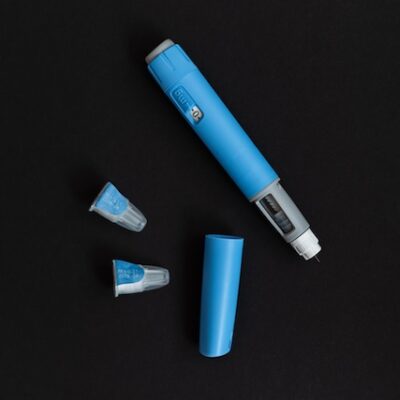
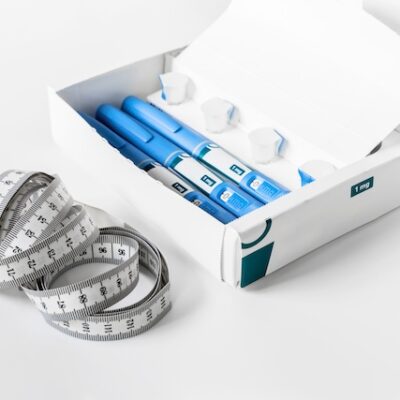
The research team conducted a large cross-sectional study examining the use of glucagon-like peptide-1 receptor agonists (GLP-1RAs) – specifically semaglutide (marketed as Wegovy and Ozempic) and tirzepatide (marketed as Zepbound and Mounjaro) – among people undergoing metabolic and bariatric surgery.
Using data from the Epic Cosmos database, which aggregates over 300 million patient records from healthcare institutions across the United States, Dr Sweigert and colleagues analysed nearly 365,000 individuals who underwent primary metabolic and bariatric surgery between 2018 and 2024.
The study assessed prescription patterns for semaglutide and tirzepatide, two of the most widely prescribed GLP-1RAs, to understand how their use has evolved before surgery.
Key findings
Preliminary findings showed a striking rise in GLP-1 prescriptions in the year preceding surgery – from 1.8% in early 2020 to 29.4% by the end of 2024, representing a sixteenfold increase.
Importantly, the surge was seen among people both with and without Type 2 diabetes, demonstrating the expanding role of GLP-1 drugs in obesity treatment beyond diabetes management.
Among those without Type 2 diabetes, use of GLP-1 drugs before surgery increased elevenfold – from 2.1% in early 2022 to 23.2% by late 2024. For those with Type 2 diabetes, preoperative use quadrupled – from 11.3% to 45.2% over the same period.
The median age of participants was 43 years, with a median preoperative body mass index (BMI) of 46. Women accounted for 80% of the cohort, and 33% had a diagnosis of Type 2 diabetes.
Changing perceptions and treatment pathways
Lead author Dr Stefanie C. Rohde, a general surgery resident at The Ohio State University Wexner Medical Center, explained that the findings represent an evolution in how people view their treatment options for obesity.
“While patients previously believed they had to choose between GLP-1 receptor agonists and surgery, we are now seeing that people are using both,” said Dr Rohde. “We know that patients can use GLP-1s after bariatric surgery to amplify their weight loss. But all of this is still very new in terms of how to manage patients effectively.”
She added that real-world data such as that provided by the Epic Cosmos network could play a critical role in establishing evidence-based clinical guidelines for how and when to integrate GLP-1 therapies – whether before surgery, in combination with it, or during postoperative follow-up.
Limitations and next steps
The researchers acknowledged several limitations. As with many analyses of large health databases, there may be inaccuracies in medical record data. The study was also unable to confirm whether individuals filled or took their prescribed medications, which could affect the reliability of prescription data.
Despite these caveats, the authors believe the study offers valuable insights into emerging trends in combined pharmacological and surgical approaches to obesity care.
Study co-author Mahmoud Abdel-Rasoul, MS, MPH, contributed to the data analysis and interpretation.
Looking ahead
The rapid rise in GLP-1 use among bariatric surgery candidates reflects a broader transformation in obesity treatment – one increasingly characterised by personalised, multidisciplinary, and data-informed care.
As Dr Sweigert noted, “We are entering a new world of multidisciplinary care pathways.” The challenge now lies in defining the most effective, safe, and sustainable ways to integrate these groundbreaking medications into established surgical treatment frameworks.
CCH insight:
These findings from the ACS, showing GLP-1 drug use prior to bariatric surgery, follow on from another study showing that many patients use GLP-1 drugs after surgery, in order to prevent weight regain. This will hopefully help to shift the thinking around obesity treatment. There is still a common perception that patients with obesity have the option of medication or bariatric surgery, and that it is a ‘one-and-done’ treatment. However, we know that obesity is a complex, chronic, relapsing disease which requires a long-term, multi-disciplinary approach. So we need medications, we need surgery and we need behavioural support and other interventions, used together in various combinations, at different times, to provide the life-long care that obesity patients require.