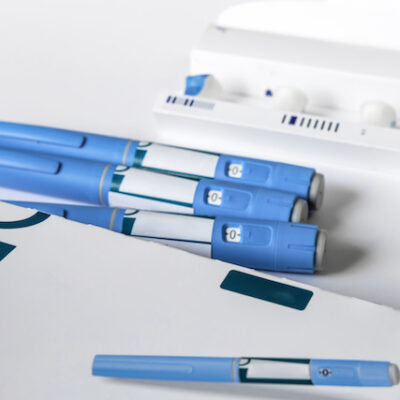
Concerns arise over rare eye condition linked to popular weight loss injections
Recent research indicates that individuals utilising semaglutide injections, commonly used for weight management and type 2 diabetes, have a quadrupled risk of developing a severe eye disorder compared to non-users. The medications in question, Ozempic and Wegovy, have been associated with an elevated risk of non-arteritic anterior ischemic optic neuropathy (NAION), a rare but potentially harmful eye condition.
Despite the concerning findings, the researchers involved have clarified that the overall incidence of the condition among users remains low, and definitive evidence that semaglutide is the direct cause of NAION is still lacking.
Produced by pharmaceutical giant Novo Nordisk, Wegovy is designed to promote significant weight loss. Clinical trials have shown that some individuals experience a reduction in body weight exceeding 10% after using the medication.
The popularity of these weight loss injections has surged recently, fueled in part by celebrity endorsements and public testimonials about their effectiveness in achieving rapid weight loss.
However, a rise in the unregulated online purchase of semaglutide injections has alarmed health professionals. The absence of proper checks on these internet-sourced medications raises serious concerns about their safety.
Further worries have been voiced over the misuse of semaglutide, with indications that the drug is increasingly being used for cosmetic weight loss, particularly to achieve a ‘beach-body’.
The common side effects associated with semaglutide include stomach pain, nausea, constipation, diarrhoea, and vomiting. Additionally, both Ozempic and Wegovy have been linked to potentially serious changes in vision, according to the latest studies.
NAION, which affects up to 10 in every 100,000 people, leads to vision loss due to diminished blood flow to the optic nerve and currently lacks an effective treatment.
Dr Joseph Rizzo, a leading researcher in the study, stated, “Our findings should be viewed as being significant but tentative, as future studies are needed to examine these questions in a much larger and more diverse population.”
A Novo Nordisk spokesperson responded to the findings by noting that NAION is not recognised as a known adverse drug reaction in the marketed formulations of semaglutide, which include Ozempic, Rybelsus, and Wegovy. They highlighted that semaglutide has been thoroughly examined in extensive real-world evidence studies and robust clinical development programmes.
Professor Graham McGeown from Queen’s University Belfast commented on the issue, emphasising the need for additional research given the sharp rise in semaglutide usage and its potential approval for uses beyond obesity and type 2 diabetes. “This issue deserves further study – but possible drug side-effects always need to be balanced against likely benefits,” he said.