
[email protected]

+44 (0)20 3773 4895

logologologo
  • About Us
    • The College
    • Advisory Board
    • Our Faculty and Team
    • Intelligence Hub
  • Topic Areas
    • Obesity Care
    • Digital Health
    • Behaviour Change
  • Courses
    • CPD Short Courses
    • PGCert in Obesity Care
    • PGCert in Digital Health
  • Apply
    • Postgraduate Qualification in Obesity Care
    • Postgraduate Qualification in Digital Health
    • FAQs
  • Resources
    • News
    • Our Publications
    • Monthly News Bulletins
    • Funding Options
  • Contact Us
    • Contact Us
  • Student Login

No products in the cart.

logologologo
  • About Us
    • The College
    • Advisory Board
    • Our Faculty and Team
    • Intelligence Hub
  • Topic Areas
    • Obesity Care
    • Digital Health
    • Behaviour Change
  • Courses
    • CPD Short Courses
    • PGCert in Obesity Care
    • PGCert in Digital Health
  • Apply
    • Postgraduate Qualification in Obesity Care
    • Postgraduate Qualification in Digital Health
    • FAQs
  • Resources
    • News
    • Our Publications
    • Monthly News Bulletins
    • Funding Options
  • Contact Us
    • Contact Us
  • Student Login

No products in the cart.

  • About Us
    • The College
    • Advisory Board
    • Our Faculty and Team
    • Intelligence Hub
  • Topic Areas
    • Obesity Care
    • Digital Health
    • Behaviour Change
  • Courses
    • CPD Short Courses
    • PGCert in Obesity Care
    • PGCert in Digital Health
  • Apply
    • Postgraduate Qualification in Obesity Care
    • Postgraduate Qualification in Digital Health
    • FAQs
  • Resources
    • News
    • Our Publications
    • Monthly News Bulletins
    • Funding Options
  • Contact Us
    • Contact Us
  • Student Login
July 8, 2024 by Nicholas Feenie GLP-1RAs & Medications 0 comments

Ozempic and other GLP-1 drugs show promise in reducing obesity-related cancer risks

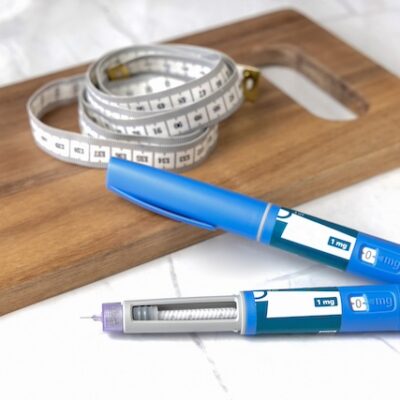
In a significant medical discovery, a class of diabetes medications, including the widely-used drug Ozempic, has been linked to a decreased risk of numerous obesity-associated cancers. This revelation was detailed in a study published in the Journal of the American Medical Association (JAMA) on Friday, 5th of July, 2024.

The research meticulously analysed the health outcomes of Type 2 diabetes patients from 2005 to 2018, focusing on those treated with insulin compared to those administered GLP-1 agonists, such as Ozempic. The findings indicated a notable reduction in the risk of developing 10 out of 13 types of cancer examined in the study. The cancers showing decreased risk include those of the kidney, pancreas, oesophagus, ovaries, liver, and colorectum.

However, the study observed no substantial reduction in the risk of thyroid cancer and breast cancer among postmenopausal women. These findings underscore the complex relationship between metabolic disorders and cancer risks.

“Obesity is well known to be associated with at least 13 cancer types,” stated Rong Xu, the study’s lead author, in an email correspondence with AFP. Xu further commented, “Our study provides evidence that GLP-1RAs hold promise in breaking the link between obesity and cancer.”

The research not only highlights the efficacy of GLP-1 receptor agonists (GLP-1RAs) in managing diabetes but also their potential role in cancer prevention. The study encompassed several drugs within this category, including semaglutide, marketed as Ozempic, and liraglutide, among others, with Ozempic receiving approval in the United States in 2017.

GLP-1 agonists have been utilised for approximately two decades; however, a new generation of these drugs, including Ozempic, has gained popularity for their enhanced effects on weight loss.

The protective benefits observed might influence healthcare providers to favour GLP-1 treatments over other therapeutic options such as insulin for diabetes patients, as suggested by Xu. This shift could represent a pivotal evolution in the management of diabetes and its associated cancer risks, marking a significant stride forward in integrative disease prevention strategies.

PREV
NEXT

Related Posts

Ozempic pens and vegetables on a chopping board.
February 6, 2026
Nutrition Gaps Raise Safety Concerns as Use of GLP-1 Weight Loss Drugs Accelerates
Read More
obesity drugs
July 5, 2016
Comparing the effectiveness of weight loss drugs
Read More
January 12, 2016
Fatty liver disease reversed by pill in mice
Read More
September 20, 2018
Efficacy and safety of semaglutide for weight loss in patients with obesity
Read More

CCH LINKS

FAQ
HOW TO APPLY
ACADEMIC ADVISORY BOARD
FACULTY AND STAFF
TERMS & CONDITIONS
CCH EDUCATION SERVICES

OUR PARTNERS

NOF
Haringey Obesity Alliance
Skills Active
CPD UK
ASO
REPS
Southwark
DIT
Healthcare Uk
OAC

ABOUT CCH

CONTACT US
[email protected]
+44 (0)20 3773 4895
Technopark, 90 London Road, LONDON, SE1 6LN
 

© The College of Contemporary Health