Expanded access to anti-obesity medications could extend life and save society billions
A new white paper from the USC Schaeffer Center has found that broadening access to anti-obesity medications could significantly increase life expectancy and extend disease-free years for people living with obesity, all while delivering a substantial return on investment to society—even after accounting for treatment costs.
More than four in ten adults in the United States are living with obesity, a chronic health condition linked to over 200 diseases including cardiovascular disease, type 2 diabetes, cancer, and dementia. The financial toll of treating these associated conditions is immense, with annual societal costs reaching $260 billion. Despite the arrival of highly effective anti-obesity medications, fewer than one-third of health insurance plans cover them, largely due to concerns over initial expenditure.
According to the Schaeffer Center researchers, expanding access to these medications for all adults without diabetes who meet clinical eligibility criteria could generate as much as $10 trillion in social value. This value stems from improved longevity and health outcomes. Moreover, the societal return on this investment could exceed 13% annually—a figure on par with returns seen from high-impact policies such as early childhood education for disadvantaged populations, and nearly double the average return of the U.S. stock market over the 21st century.
“While the costs of anti-obesity medications have grabbed headlines, our analysis shows why it’s important to consider the lifetime value of treatment. Expanding access will prevent or delay obesity-related comorbidities, resulting in improved quality and quantity of life for many Americans,”
said Alison Sexton Ward, research scientist at the Schaeffer Center and co-author of the study.
The findings come at a pivotal time, as federal policymakers deliberate whether to expand Medicare and Medicaid coverage for anti-obesity medications—a decision that could also set the precedent for broader uptake among private insurers. The latest white paper builds upon a widely cited 2023 report from the Schaeffer Center, which projected that Medicare coverage alone could save the programme as much as $175 billion over the next decade through reduced demand for medical services.
Benefits Go Beyond the Sickest Individuals
To arrive at these conclusions, researchers employed the Future Adult Model, an economic-demographic microsimulation tool, to simulate the lifelong health trajectories, healthcare costs, and other economic outcomes for adults aged 25 and older who qualify for anti-obesity medication under current clinical guidelines, excluding those already diagnosed with diabetes. The analysis examined subgroups across age bands, body mass index (BMI) categories, and varying levels of diabetes risk.
Even though pharmaceutical competition often drives down net prices of high-cost drugs ahead of generic availability, researchers took a conservative stance, assuming stable net pricing until generic entrants are expected in 2032. The estimated net price, reflecting rebates and negotiated discounts, is approximately 55–65% below the list price, aligning with figures used by the U.S. Congressional Budget Office.
The study found that younger, healthier adults stand to gain the most from early treatment. For instance, people aged 25 to 34 who begin taking anti-obesity medications could gain up to 1.8 additional years of life and experience as many as 5.9 more years free from type 2 diabetes.
The researchers calculated the “social value” of expanded access by comparing the monetary worth of prolonged, healthier lives and lower healthcare costs to the price of medication.
Because early treatment yields more years of healthy life, its value is particularly high in younger age groups. For example, initiating treatment in a 25-year-old with low immediate diabetes risk could deliver nearly 30% more lifetime social value compared to beginning treatment in a 35-year-old with similar risk.
“Insurers often limit coverage of anti-obesity medications to sicker patients, such as those with prediabetes or diabetes, but our analysis shows they are likely missing out on a chance to prevent worse and more costly outcomes through early treatment,”
said co-author Darius Lakdawalla, chief scientific officer at the Schaeffer Center and professor at the USC Mann School of Pharmacy and Pharmaceutical Sciences and the USC Price School of Public Policy.
Importantly, the net lifetime social value of treatment was found to be positive for almost every group assessed in the study, not just the youngest or healthiest.
High Return on Investment Across Populations
The study also evaluated the long-term return on investment to society for each dollar spent on expanding access to anti-obesity medications, focusing on the internal rate of return (IRR). This metric reflects the projected annual benefit relative to the cost.
The IRR exceeded 13% across all subgroups with a BMI of 30 or higher, sustained over a 30-year horizon. This suggests that, across the board, investment in broader access to anti-obesity medication could deliver robust and consistent returns for society.
“Expanding access to anti-obesity medication is probably the single most effective policy to improve Americans’ public health,”
said Dana Goldman, co-director of the Schaeffer Center and founding director of the USC Schaeffer Institute for Public Policy & Government Service.
“The challenge will be to do it in a way that rewards innovators but keeps the public costs low.”
The report underscores that, despite the headline-grabbing costs of anti-obesity medications, their long-term benefits—in both health and economic terms—are substantial. As policymakers debate the future of healthcare coverage, the findings offer compelling evidence for the early and equitable use of these medications as a powerful tool in tackling one of today’s most widespread and consequential chronic health conditions.
CCH Insight:
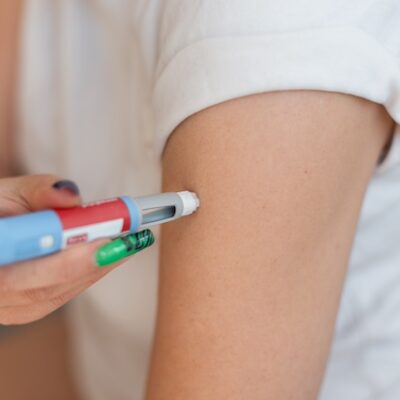
This study makes a very strong case for access to anti-obesity medications for everyone who is eligible – there would be considerable financial and societal benefits. However, as long as these medications are delivered by self-injection ‘pens’, there are likely to be supply issues. Oral versions of these medications are under development, and the sooner they are available, the sooner we are likely to see a leap in accessibility and the possibility of the public health benefits suggested by this study. Our next news item about trials of oral AOM orforglipron provides hope that these oral medications may be available fairly soon.