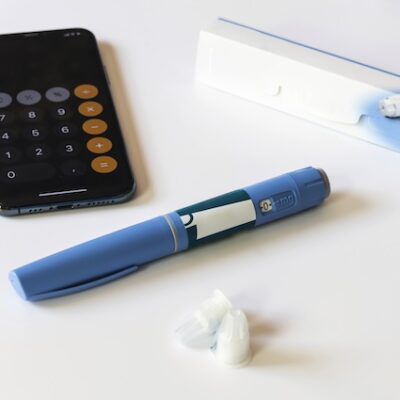
Novo Nordisk introduces Wegovy to Thailand, marking first launch in Southeast Asia
Novo Nordisk has announced the launch of its highly popular weight management medication, Wegovy, in Thailand, according to an executive from the Danish pharmaceutical company’s local subsidiary. This development marks Wegovy’s first introduction into the Southeast Asian market.
Initially launched in 2021, Wegovy has significantly contributed to Novo Nordisk’s growth, propelling the company to become Europe’s most valuable publicly listed firm, reaching a peak valuation of $615 billion.
The medication, which is administered via injection, is now available in over a dozen countries, including the United States, Japan, and China. Thailand is the latest addition to this expanding list of markets.
“We actually received the Thai FDA approval already in 2023,” stated Enrico Canal Bruland, Vice President and General Manager of Novo Nordisk’s Thai subsidiary. He emphasised that Novo Nordisk had introduced Wegovy in Thailand ahead of the anticipated arrival of rival Eli Lilly’s weight management medication, Zepbound.
Bruland declined to disclose the pricing strategy for Wegovy within Thailand, a nation with an estimated population of approximately 66 million people. He also did not provide details regarding the company’s broader plans for expansion into additional Southeast Asian countries.
Currently, Wegovy is available for prescription at private hospitals across Thailand. Bruland confirmed that access would soon be extended to public hospitals, enhancing availability for a broader segment of the population.
“Over the last four years, we have invested approximately 500 million Thai baht in clinical trials in Thailand,” he noted, underscoring Novo Nordisk’s long-term commitment to the Thai healthcare landscape.
In addition to Wegovy, Novo Nordisk’s diabetes medication Ozempic, which contains the same active ingredient as Wegovy (semaglutide), is already accessible within Thailand’s healthcare system.
According to data from Thailand’s Ministry of Public Health, approximately 42% of adults in the country are living with obesity. The prevalence of obesity among school-aged children has also risen dramatically, increasing from 5.8% to 15% over the past two decades.
Reflecting on the economic burden of obesity, Bruland commented, “If we then look at the economic impact that this has, approximately 1 percent of GDP is used for health-related costs that come with obesity and productivity loss.”
He expressed optimism about Wegovy’s potential impact in Thailand, stating, “We believe with this innovation, we can make a big difference and hopefully bend this curve.”