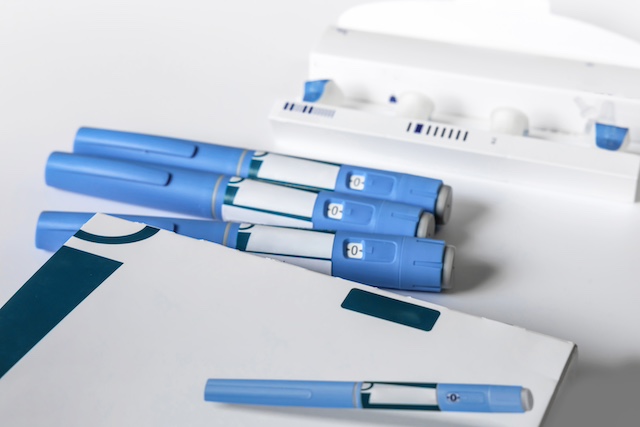
GLP-1 drugs may reduce risk of leukaemia and lymphoma in people with type 2 diabetes
A recent study published in JAMA Network Open suggests that individuals with type 2 diabetes (T2D) who are treated with glucagon-like peptide-1 receptor agonists (GLP-1RAs) may have a lower risk of developing haematologic cancers, including leukaemia and lymphoma, compared to those using insulin or metformin.
Background
Both obesity and type 2 diabetes are recognised as independent risk factors for various types of cancer, including haematologic malignancies. GLP-1RAs have emerged as a promising therapeutic option due to their benefits in weight management, immune modulation, and glycaemic control. Previous research has linked GLP-1RAs to a lower incidence of solid tumours, yet their relationship with haematologic cancers remains largely unexplored. This study sought to fill this knowledge gap by comparing cancer risks in individuals receiving GLP-1RAs versus those using metformin or insulin.
Study Overview
Researchers conducted a retrospective cohort analysis using the TriNetX database, a large repository containing health records for approximately one-quarter of the United States population. The study included individuals with a T2D diagnosis who were prescribed either GLP-1RAs (such as exenatide, lixisenatide, tirzepatide, liraglutide, albiglutide, semaglutide, or dulaglutide), insulin, or metformin between 30 April 2005 and 31 October 2023.
To ensure robust comparisons, individuals with a prior diagnosis of haematologic cancer or those who had been prescribed antidiabetic medication before their T2D diagnosis were excluded. The study’s primary objective was to assess the incidence of first-time haematologic cancer diagnoses across different treatment groups. Two separate analyses were conducted: one comparing GLP-1RA users to metformin users and another comparing them to insulin users.
To account for potential confounding factors, the study employed propensity score matching based on multiple variables, including weight status, demographic characteristics, diabetic complications, body mass index (BMI), glycated haemoglobin (HbA1c), cancer screening history, genetic predisposition, exposure to radiation, intensive care unit (ICU) admissions, concomitant antidiabetic therapies, adverse social determinants of health, and exposure to cytotoxic agents. The researchers then utilised Kaplan-Meier survival analysis and Cox proportional hazard models to estimate cumulative cancer incidences and hazard ratios with 95% confidence intervals.
Key Findings
The study identified over 1.6 million individuals with type 2 diabetes. Among them, 51,617 were prescribed GLP-1RAs, 938,602 received insulin, and 611,115 were treated with metformin. The average duration of GLP-1RA prescriptions was 485 days. Following propensity matching, 50,590 participants were included in the GLP-1RA–metformin comparison, and 47,716 were included in the GLP-1RA–insulin comparison.
Comparison with Metformin
GLP-1RA use was associated with a significantly lower risk of myelodysplastic syndromes (MDS) and myeloproliferative neoplasms (MPN) when compared to metformin. However, the researchers noted that metformin itself has been linked to cancer-protective effects, which may explain why the overall reduction in haematologic cancer risk associated with GLP-1RAs was limited in this comparison. Ultimately, no statistically significant difference was observed in the combined risk of all haematologic cancers between GLP-1RA and metformin users.
Comparison with Insulin
In contrast, when compared to insulin users, those prescribed GLP-1RAs exhibited a markedly lower risk of developing a range of haematologic cancers. Specifically, GLP-1RA users had a significantly reduced risk of lymphoid leukaemia, myeloid leukaemia, MPN, MDS, amyloidosis, non-Hodgkin lymphoma, monoclonal gammopathy, and multiple myeloma. Overall, GLP-1RA use was linked to a 54% lower risk of developing any haematologic malignancy compared to insulin use.
Implications and Conclusion
The findings suggest that GLP-1RAs may offer protective effects against haematologic cancers, particularly in comparison to insulin. This effect is likely influenced by the immunomodulatory properties of GLP-1RAs and their role in promoting weight loss. Notably, these protective associations appeared to be independent of glycaemic control, potentially due to a reduction in pro-inflammatory cytokines that are involved in the dysregulation of haematopoiesis and the development of conditions such as MPN and MDS.
Despite these promising results, the study has several limitations. Residual confounding factors cannot be entirely ruled out, and the analysis did not explore dose-response relationships or account for potential age-related variations in cancer risk. Additionally, as this was a retrospective study relying on diagnostic codes from electronic health records, inaccuracies in coding and unmeasured confounders could have influenced the results.
The authors emphasised that metformin, a comparator in the study, is already known to have cancer-protective properties, which may explain why the benefits of GLP-1RAs appeared more pronounced when compared to insulin rather than metformin. Given these findings, GLP-1RAs could represent a promising avenue for reducing cancer risk in individuals with type 2 diabetes. However, further research is required to elucidate the underlying biological mechanisms and confirm these observational findings in prospective clinical trials.