GLP-1 Medications Should Be First-Line Treatment for Obesity, Say European Experts
Key Takeaways:
- European experts recommend semaglutide and tirzepatide as the preferred first-line medications for treating obesity and related complications.
- The new European Association for the Study of Obesity (EASO) guideline highlights tailored drug choices for specific obesity-linked conditions, such as heart disease, osteoarthritis, and sleep apnoea.
- Authors emphasise that managing obesity extends beyond weight loss, encompassing mental health, physical fitness, and quality of life.
New guidelines mark a turning point in obesity care
Two of the most widely prescribed weight-loss medications – semaglutide and tirzepatide – should now be considered the first treatment option for people living with obesity and associated complications, according to new guidance issued by the European Association for the Study of Obesity (EASO).
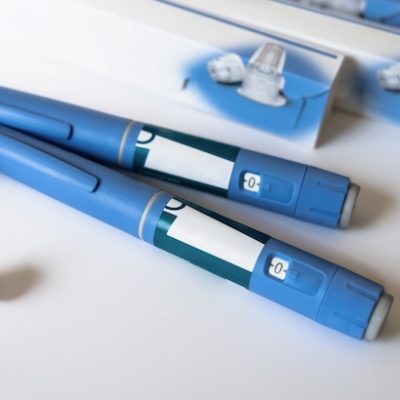
The guideline, published in Nature Medicine, identifies semaglutide, the active compound in Novo Nordisk’s Wegovy and Ozempic, and tirzepatide, marketed as Zepbound and Mounjaro by Eli Lilly, as highly effective and clinically appropriate first-line treatments for most cases requiring substantial weight reduction.
When only moderate weight loss is needed, other pharmacological options may be suitable. These include liraglutide, an earlier and less potent medication from the same class, as well as naltrexone–bupropion and phentermine–topiramate.
Although the recommendations are non-binding for European nations, they signal a major shift in the medical management of obesity across the continent.
Transforming obesity care
“Semaglutide, tirzepatide, and other drugs from the class known as GLP-1 agonists are completely transforming care of obesity and its complications,” said co-author Dr Andreea Ciudin of Vall d’Hebron University Hospital in Barcelona.
Dr Ciudin noted that while no single treatment algorithm can replace the nuanced clinical judgement of healthcare professionals, the new guidance is intended to support evidence-based decision-making and improve the consistency of obesity care across Europe.
Tailoring treatments to specific conditions
To develop the recommendations, the EASO guideline authors reviewed previous clinical trial data assessing medication efficacy, safety, and impact in individuals with obesity-related comorbidities.
The panel determined that tirzepatide should be prioritised for those experiencing obstructive sleep apnoea, whereas semaglutide should be considered first for individuals with knee osteoarthritis.
For people with metabolic or immune-related complications, the recommendations include semaglutide as a preferred option for those with existing cardiovascular disease or a history of stroke, tirzepatide for individuals with non-alcoholic fatty liver disease, and either drug for those with prediabetes or type 2 diabetes.
GLP-1 receptor agonists were initially developed to manage type 2 diabetes but have since shown remarkable efficacy in promoting sustained weight reduction and improving obesity-related outcomes.
Balancing costs and benefits
The guideline acknowledges that GLP-1 drugs are expensive and that economic considerations are complex. However, the authors argue that health systems should account for the long-term costs of untreated obesity.
“The cost of not treating obesity at early stages, thus enabling the progression to complications and end-organ damage, should be weighed equally in health policy and clinical decision-making,” the guideline authors wrote.
They added that effective obesity management should not be confined to weight loss alone but should also prioritise mental well-being, physical fitness, social participation, and quality of life.
Emerging evidence and ongoing updates
The authors acknowledged that many newer medications have not yet been evaluated for the treatment of individual complications. Nevertheless, the consistent association between weight reduction and improvements in related conditions supports their broader therapeutic potential.
According to the guideline, there is growing evidence that GLP-1 receptor agonists may also benefit individuals with chronic kidney disease, neurodegenerative conditions, polycystic ovary syndrome, certain cancers, and mental health disorders.
“Given the rapid advances in the field of medications to treat obesity, EASO intends to update the present treatment algorithm regularly to incorporate the latest available evidence,” said Professor Volkan Yumuk, President of EASO and Professor at Istanbul University–Cerrahpaşa.
Lifestyle interventions remain essential
The EASO guidance complements a June advisory jointly issued by the American College of Lifestyle Medicine, the American Society for Nutrition, the Obesity Medicine Association, and The Obesity Society. That advisory stressed that pharmacological treatment should always be combined with lifestyle and nutritional interventions.
“Although GLP‐1s alone can produce significant weight reduction and related health benefits, several challenges limit its long‐term success for individuals and populations,” the advisory stated.
It cited factors such as gastrointestinal side effects, nutrient deficiencies, muscle and bone loss, high costs, frequent discontinuation, and the risk of weight regain.