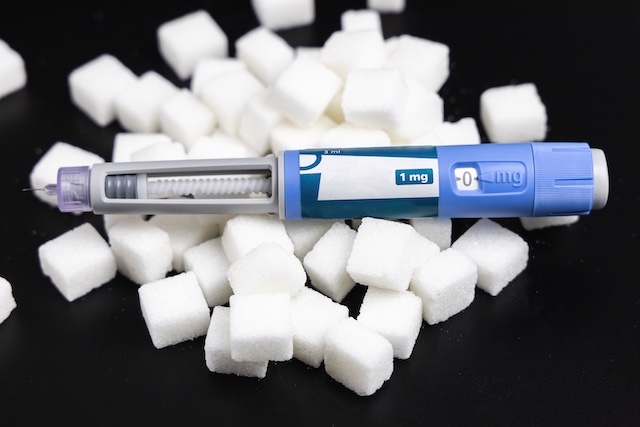
GLP-1 receptor agonists linked to greater dementia risk reduction than metformin in people with type 2 diabetes
Key Takeaways:
- In people with type 2 diabetes, initiating GLP-1 receptor agonist therapy rather than metformin was linked to a 10% lower overall risk of dementia over two years.
- The largest benefits were observed for Alzheimer’s disease and other non-vascular forms of dementia, with reductions of 8% and 12%, respectively.
- Older adults and women appeared to experience greater protective effects from GLP-1 receptor agonists compared with men and younger individuals.
Study overview
A large retrospective analysis has found that among people with type 2 diabetes, those who newly began treatment with a glucagon-like peptide-1 (GLP-1) receptor agonist had a significantly lower risk of developing dementia compared with those who started metformin.
The study, published in BMJ Open Diabetes Research & Care, examined real-world health data over a two-year follow-up period. Overall dementia risk – defined as the first recorded diagnosis of vascular dementia, Alzheimer’s disease (AD), unspecified dementia, or dementia due to other diseases – was 2.4% in the GLP-1 receptor agonist group, compared with 4.8% in the metformin group, representing a 10% relative risk reduction.
Specific dementia outcomes
While the difference in vascular dementia risk between the two groups was not statistically significant (0.7% for GLP-1 receptor agonists versus 1.3% for metformin), there were clear benefits for other dementia types:
- Alzheimer’s disease – 1.2% incidence in GLP-1 receptor agonist users compared with 2.6% in metformin users, an 8% relative risk reduction.
- Other non-vascular dementias – 1.0% incidence in GLP-1 receptor agonist users versus 2.4% in metformin users, a 12% relative risk reduction.
“These findings address a key knowledge gap by directly comparing the neuroprotective efficacy of GLP-1 [receptor agonists] and metformin in dementia prevention,” write lead author Jiaqiang Zhang of The People’s Hospital of Zhengzhou University, Henan, China, and colleagues. “They provide actionable insights for clinical decision-making and may inform future guidelines.”
Possible neuroprotective mechanisms
Previous research has shown that both GLP-1 receptor agonists and metformin may exert neuroprotective effects, including:
- Reduction of neuroinflammation and oxidative stress
- Improved insulin sensitivity
- Enhanced cerebrovascular health
However, no earlier study had directly compared the two in terms of their potential cognitive benefits.
Study design and population
The researchers used the TriNetX global federated health network, which contains deidentified electronic health records from more than 98 healthcare organisations worldwide.
From this database, they identified more than 174,000 adults with type 2 diabetes who received a first-line prescription for either a GLP-1 receptor agonist or metformin between 2004 and 2024.
Propensity score matching created two equal groups – 87,229 participants in each – ensuring they were comparable in age (mean of around 58 years) and other baseline characteristics. Just under two-thirds of participants in each group were women.
Eligibility criteria included:
- Continuous prescription of the assigned medication for at least six months
- At least 24 months of follow-up data
Analyses were adjusted for factors such as age, sex, ethnicity, comorbidities (including hypertension, ischaemic heart disease, and cerebrovascular disease), metabolic measures (such as glycated haemoglobin and obesity), and other medication use.
Subgroup findings
The dementia risk reduction associated with GLP-1 receptor agonists was consistent across all subgroups analysed, with particularly strong effects in:
- Older adults – Those aged 60 years or older had a 15–20% lower overall dementia risk compared with metformin users.
- Women – Women had a greater reduction in dementia risk (adjusted hazard ratio [HR] 0.83) than men (HR 0.90).
Additional outcomes and limitations
The study also found a significant all-cause mortality benefit with GLP-1 receptor agonists compared to metformin, with cumulative mortality rates of 4.8% versus 8.8% (HR 0.89).
The authors acknowledged several limitations:
- Potential residual confounding despite propensity score matching and sensitivity analyses
- Possible misclassification of dementia subtypes or under-reporting of outcomes
- Exclusion of people with prior use of the study medications, which may limit generalisability to those with mixed treatment histories
Conclusions and next steps
The authors concluded:
“GLP-1 [receptor agonists] were more effective than metformin in reducing the risk of dementia – especially AD and non-vascular types – highlighting their potential as a preferred first-line treatment in [type 2 diabetes mellitus].”
They added: “Further randomised trials are warranted to validate these findings.”
CCH Insight:
This study provides further evidence for the neuroprotective effects of GLP-1RAs, and it is interesting to note that the effect was greater in non-vascular forms of dementia, suggesting these benefits are independent of the known cardiovascular benefits of these medications. It also supports the case for increased prescribing of GLP-1RAs as an alternative to metformin as a first-line treatment for type 2 diabetes – currently GLP-1RAs are generally considered a second or third choice of second-line treatment.