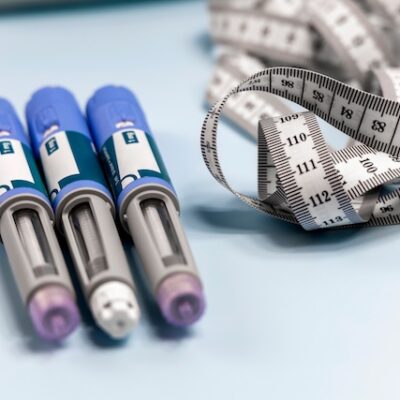

Oral semaglutide proven effective in managing type 2 diabetes and enhancing cardiovascular health
A meticulous study recently published in the Journal of Clinical Medicine has delved into the impact of oral semaglutide on patients with type 2 diabetes (T2D), highlighting its dual benefits on glycaemic control and cardiovascular wellness.
Semaglutide, distinguished as the inaugural oral anti-diabetic treatment specifically for T2D, functions as a glucagon-like peptide-1 receptor agonist (GLP-1RA). It has been proven to regulate glycaemic levels and reduce body weight (BW). Its safety and effectiveness have been corroborated through numerous clinical trials.
The extensive PIONEER programme assessed the efficacy of oral semaglutide across various stages of diabetes, involving treatment modalities that ranged from monotherapy to combination therapies with other oral glucose-lowering agents. Following the promising outcomes of this programme, the United States Food and Drug Administration (FDA) endorsed the drug in 2019, with subsequent approval by the European Medicines Agency (EMA) in 2020.
Guidelines in both America and Europe recommend oral semaglutide for T2D patients, especially those at high or very high risk of cardiovascular diseases (CVD), irrespective of their glycated haemoglobin (HbA1c) levels. This recommendation underscores the drug’s cardiovascular benefits.
However, the findings from the PIONEER study, though promising, call for further large-scale studies to conclusively determine the drug’s capability in reducing CVD risks. Additionally, the readiness of healthcare providers to incorporate this medication into everyday clinical practice warrants further evaluation.
The current retrospective study took place at two university-based diabetes centres in Italy, utilising data from an electronic chart system software designed for managing medical records in Italian diabetes outpatient clinics. This system recorded comprehensive patient data, including BW, HbA1c levels, waist circumference, serum creatinine, blood glucose levels, blood pressure, lipid profiles, aspartate aminotransferase (AST), estimated glomerular filtration rate (eGFR), among other laboratory results, as well as concurrent medications.
Patients received oral semaglutide during clinic visits, starting with a three mg dose, subsequently increased to seven mg, and in some cases, elevated to 14 mg to further enhance glycaemic control. These adjustments occurred over a monitoring period of up to six months.
The clinical improvements were notable in patients with recently diagnosed diabetes who showed significant enhancements in HbA1c levels and reductions in BW within six months of treatment initiation.
The study involved 192 Caucasian participants, predominantly around 67 years of age, with 44% being female and an average diabetes duration of nine years. Median fasting glucose and HbA1c levels stood at 146 mg/dL and 7.9%, respectively.
Prior to their oral semaglutide regimen, participants were treated with various medications, including sodium-glucose cotransporter-2 inhibitors (SGLT2i), basal or fast-acting insulin, other GLP-1RAs, pioglitazone, metformin, DPP4 inhibitors, or sulfonylureas. During the six-month treatment phase with oral semaglutide, most patients were administered a seven mg dose, with only 2% receiving the 14 mg dose.
The study revealed no significant differences in HbA1c reduction between genders, but all participants experienced comparable weight loss. Significant improvements were also recorded in lipid profiles, waist circumference, blood pressure, and microalbuminuria levels after six months of treatment, underscoring oral semaglutide’s comprehensive benefits in metabolic health and CVD risk reduction.
In summary, oral semaglutide not only maintained optimal glycaemic control and facilitated weight reduction but also enhanced cardiovascular risk factors, including lipid profiles and blood pressure levels. The clinical relevance of oral semaglutide was evident even at a minimal dosage of seven mg, particularly among newly diagnosed patients, and the drug was well-tolerated even at the higher 14 mg dosage.