Weight-loss medications may halve risk of obesity-related cancers, landmark study reveals
Key Takeaways:
- GLP-1 receptor agonist medications may reduce the risk of obesity-related cancers by nearly 50%, rivalling the effects of bariatric surgery.
- The protective effects appear to extend beyond weight loss alone, potentially due to reductions in inflammation.
- Researchers and experts are calling for large-scale clinical trials to test weight-loss drugs as a new strategy for cancer prevention.
Introduction
A major new study suggests that weight-loss injections known as GLP-1 receptor agonists could nearly halve the risk of developing obesity-related cancers. Presented at the European Congress on Obesity in Málaga, Spain, and published in The Lancet’s eClinicalMedicine, the research has been described as “transformational” by leading cancer experts and may signal the beginning of a new era in preventive oncology.
Obesity, Cancer Risk, and Weight-Loss Interventions
Obesity is strongly linked with an increased risk of at least 13 different types of cancer. While losing weight is already known to reduce cancer risk, this study indicates that weight-loss medications may have protective effects that go beyond weight reduction alone.
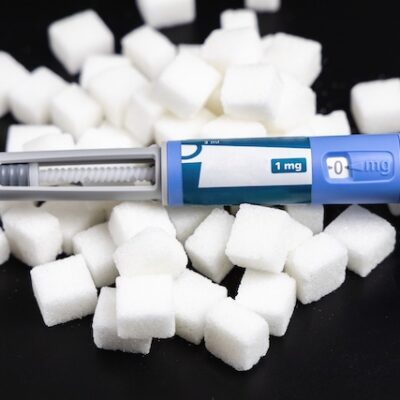
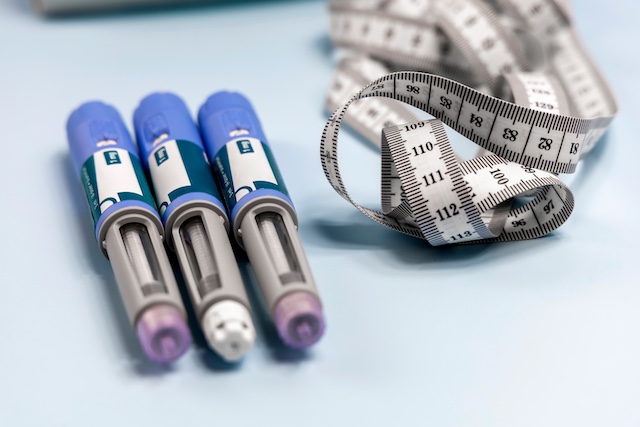
The research, conducted by scientists in Israel, involved 6,000 adults with no previous cancer diagnoses. Participants had either undergone bariatric surgery or taken GLP-1 receptor agonists (GLP-1RAs), including liraglutide (Saxenda), exenatide (Byetta), or dulaglutide (Trulicity). These medications mimic the GLP-1 hormone, which plays a role in lowering blood sugar levels and promoting feelings of satiety.
Weight Loss vs Cancer Risk Reduction
Although participants who had undergone bariatric surgery lost approximately twice as much weight as those who used medication, both groups experienced a similar reduction in cancer risk. According to the study’s authors, bariatric surgery is associated with a 30–42% reduction in the risk of cancer. However, after adjusting for the greater weight loss associated with surgery, the protective effect of GLP-1 medications appeared stronger relative to the amount of weight lost.
Professor Dror Dicker, co-lead author of the study and head of internal medicine at Hasharon Hospital, Rabin Medical Center in Petah Tikva, Israel, commented:
“The protective effects of GLP-1RAs against obesity-related cancers likely arise from multiple mechanisms, including reducing inflammation.”
He also highlighted the potential of more advanced drugs:
“New generation, highly potent GLP-1RAs with higher efficacy in weight reduction may convey an even greater advantage in reducing the risk of obesity-related cancers, but future research is needed to make sure these drugs do not increase the risk for non-obesity-related cancers.”
Newer Medications Show Even Greater Promise
A second study, also presented at the European Congress on Obesity and published in the New England Journal of Medicine, compared different GLP-1 medications. It found that participants taking tirzepatide (sold as Mounjaro) lost around 50% more weight than those taking semaglutide (sold as Wegovy). Specifically, individuals using Mounjaro lost an average of 20.2% of their body weight, compared to 13.7% among those taking Wegovy.
Expert Reactions: A Transformational Moment
Professor Mark Lawler, an internationally recognised cancer researcher from Queen’s University Belfast, emphasised the significance of the findings:
“We already know bariatric surgery cuts obesity-related cancer risk by about a third; these data suggest target GLP-1s may cut that risk by nearly 50% – an approach that would be transformational in preventing obesity-related cancer.”
He continued:
“Biologically, this makes sense, as targeting GLP-1 dampens down inflammation, one of the hallmarks of cancer.
While further work is required on how it works, these data raise the intriguing possibility that a GLP-1 jab could prevent multiple cancers in the general population, including common cancers like breast and colorectal, and difficult to treat cancers like pancreatic and ovarian. This work could herald a whole new era of preventive cancer medicine.”
Professor Jason Halford, former president of the European Association for the Study of Obesity and head of psychology at the University of Leeds, proposed that GLP-1 drugs also be trialled in people with newly diagnosed cancer, to evaluate whether they could improve survival rates:
“The drugs have the potential to be a new dawn. And it’s not just prevention – weight management in people recently diagnosed with cancer is also critical in terms of outcomes. That would be the next thing to look at. More and more cancers are being associated with obesity.”
A Global Call to Action
In light of the findings, a coalition of 54 international experts from 12 countries released a joint statement at the conference urging that GLP-1 drugs be trialled urgently for cancer prevention. In response, a team of researchers at the University of Manchester, funded by Cancer Research UK, are planning a major clinical trial involving tens of thousands of participants. The study is anticipated to begin within the next three to five years.
Dr Matthew Harris, from the Manchester Cancer Research Centre, commented:
“Weight-loss jabs provide genuinely fantastic weight loss, and may provide an intervention that could be delivered on a population-scale, where we have not been able to achieve this before.”
Conclusion
This growing body of evidence suggests that GLP-1 receptor agonists may offer far more than just weight loss benefits. With their potential to dramatically reduce cancer risk, these medications could form the basis of a proactive, large-scale approach to cancer prevention, particularly for people living with obesity. Further clinical research will be critical to confirm these findings and determine the full scope of benefits—and risks—associated with long-term use.