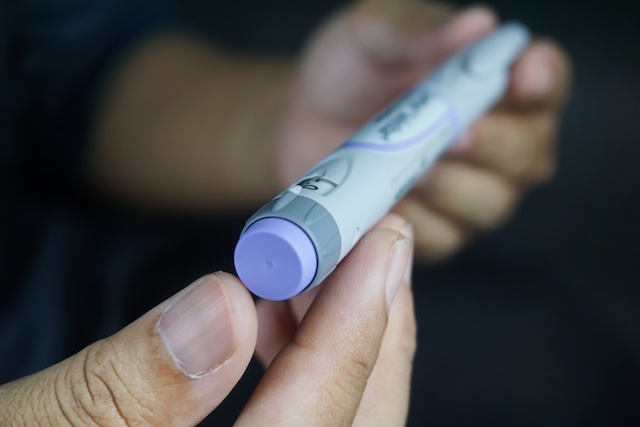
GPs Offered £3,000 Incentive to Increase Prescribing of NHS Weight Loss Injections
Key Takeaways:
- GP practices in England will be eligible for a £3,000 annual payment for prescribing the maximum number of eligible patients the weight loss drug Mounjaro.
- Access to NHS weight loss injections remains tightly restricted, with eligibility based on BMI and specific health conditions.
- Professional bodies stress that prescribing decisions are driven by clinical judgement, not financial incentives, and warn that workload pressures may increase.
New financial incentives added to GP contract
GP practices across England are set to receive annual incentive payments of £3,000 for prescribing weight loss medication to the maximum number of patients who meet NHS eligibility criteria.
The payments will be incorporated into the national GP contract from April. In addition, practices will be able to receive approximately £1,000 per year for referring patients to weight loss support programmes.
Ministers have said the objective is to ensure that people who could benefit from structured weight management and pharmacological support are able to access it within primary care.
However, specialists in obesity care have cautioned that the overall impact of the scheme may be modest. They note that eligibility for NHS weight loss injections remains tightly restricted and that the incentive does not expand access to a broader population.
Focus on Mounjaro within primary care
The new incentive applies solely to Mounjaro, a next-generation injectable treatment for weight management.
Mounjaro became available on the NHS in 2025. Despite this, prescribing rates in general practice have reportedly been lower than expected, with some variation in uptake across different areas.
Another injectable weight loss medication, Wegovy, is also available through the NHS. However, it is not prescribed by GPs and is instead provided through specialist NHS weight management services.
More than one million people are estimated to be using weight loss injections in the UK. The majority, around nine in ten, are paying privately rather than receiving the medication through the NHS.
Government position: access based on need
The Health Secretary, Wes Streeting, described the medicines as potentially transformative for people living with obesity.
He said: “Weight loss drugs can be a real game changer for those who need them. I’m determined that access should be based on need, not ability to pay.
“Outside the NHS, we’ve seen those who can spare the cash buying privately, and the proliferation of rogue prescribers peddling dangerous unlicensed drugs that are putting patients at risk.
“Investing in general practice will help bring this modern medicine to the many, not just the few, and help shift the focus of the NHS from treatment to prevention.“
The government argues that embedding prescribing targets within the GP contract is consistent with longstanding practice. Incentive payments have previously been used to improve dementia diagnosis rates, increase vaccination uptake, and encourage the prescription of statins to reduce cardiovascular risk.
This marks the first time that weight loss injections have been formally included in the GP contract framework, with the £3,000 payment linked to prescribing the maximum number of eligible patients Mounjaro.
Strict eligibility criteria remain in place
Although the incentive has been introduced, NHS access to Mounjaro remains limited.
During the current financial year, GPs have only been permitted to prescribe the medication to people with severe obesity defined as a body mass index over 40, alongside certain weight-related health conditions.
From next year, eligibility is expected to expand to include people with a BMI over 35. By 2028, it is anticipated that 220,000 patients will be receiving Mounjaro through the NHS. Lower BMI thresholds apply for some ethnic groups.
Despite these planned expansions, the roll-out to date has been described as uneven, with variation between practices and regions.
Support from obesity advocates – with caveats
Katharine Jenner, Director of the Obesity Health Alliance, welcomed the move but emphasised its limitations.
She said: “This doesn’t mean weight loss drugs will suddenly be available to everyone who wants them.
“NHS access will remain very limited and focused on those with the greatest clinical need, and these treatments are most effective when combined with sustained support.“
She also stressed the importance of prevention alongside treatment:
“If we’re serious about moving from sickness to prevention, expanded treatment must go alongside stronger action to improve the food environment and prevent obesity in the first place.“
Her comments reflect a broader concern within public health that medication alone cannot address the structural drivers of obesity.
Concerns about equity and workload
Dr Katie Bramall, representing the British Medical Association, questioned whether the scheme would meaningfully reduce inequalities in access.
She said: “While the headlines promise much, in reality there will be no change to NHS England’s eligibility criteria for patients to access injectable weight-loss medication on the NHS.
“These proposals will do nothing over the next year to address the divide between those able to pay and those left waiting unable to afford private self-funded treatments“
Similarly, Professor Victoria Tzortziou Brown of the Royal College of GPs emphasised that prescribing decisions are rooted in clinical appropriateness rather than financial drivers.
She said: “GPs do not withhold treatment or prescribe based on financial incentives. Decisions are guided by clinical judgement and what is safest and most appropriate for individual patients.
“Widening the roll-out of these medications in general practice could end up increasing workload in a way that may not be sustainable and risk raising unrealistic expectations among patients who may not be eligible or for whom these medicines are not suitable.“
Supporting GPs to prescribe these medications safely and confidently – from patient selection through initiation, titration and managing side effects – is the focus of professional training such as the College of Contemporary Health’s GLP-1RAs in Practice: Prescribing, a CPD-accredited online short course.
Her comments highlight the tension between expanding pharmacological options in primary care and managing existing workforce pressures.
A cautious step in a tightly controlled rollout
The introduction of incentive payments signals the government’s intention to embed weight loss pharmacotherapy more firmly within general practice. However, strict eligibility criteria remain in place and access is expected to expand gradually over several years.
While the policy aims to increase NHS provision and reduce reliance on private prescribing, professional bodies and advocacy groups have made clear that the immediate effect will be limited. For now, access continues to be targeted at people with the greatest clinical need, with broader prevention strategies still viewed as essential to addressing obesity at population level.
CCH insight:
It is surprising that GPs need incentivising to prescribe GLP-1 medications like Mounjaro – there is undoubtedly a huge need and demand for these drugs. The reluctance to prescribe them is most likely due to the weight bias that still pervades our society and our health system, the view that people shouldn’t need medication to manage their weight. Referring to these drugs as ‘weight loss jabs’ is not helpful – they are anti-obesity medications. Rather than offer a £3k bonus, GPs should be offered training in understanding obesity as a chronic, relapsing disease, and how GLP-1 medications not only support weight loss but can also improve long-term metabolic and cardiovascular health, and in the long run will save billions of pounds by reducing diabetes and heart disease by reducing diabetes and heart disease. That is precisely why targeted education matters more than a bonus: CCH’s GLP-1RAs in Practice: Prescribing CPD short course (2 CPD hours, fully online, CPD-accredited) equips prescribers with everything they need to use these medications well – from patient selection and initiation to titration, side-effect management and the wider conversation about obesity as a chronic disease.
Explore GLP-1RAs in Practice: Prescribing →