[email protected]

+44 (0)20 3773 4895

logologologo
  • About Us
    • The College
    • Advisory Board
    • Our Faculty and Team
    • Intelligence Hub
  • Topic Areas
    • Obesity Care
    • Digital Health
    • Behaviour Change
  • Courses
    • CPD Short Courses
    • PGCert in Obesity Care
    • PGCert in Digital Health
  • Apply
    • Postgraduate Qualification in Obesity Care
    • Postgraduate Qualification in Digital Health
    • FAQs
  • Resources
    • News
    • Our Publications
    • Monthly News Bulletins
    • Funding Options
  • Contact Us
    • Contact Us
  • Student Login

No products in the cart.

logologologo
  • About Us
    • The College
    • Advisory Board
    • Our Faculty and Team
    • Intelligence Hub
  • Topic Areas
    • Obesity Care
    • Digital Health
    • Behaviour Change
  • Courses
    • CPD Short Courses
    • PGCert in Obesity Care
    • PGCert in Digital Health
  • Apply
    • Postgraduate Qualification in Obesity Care
    • Postgraduate Qualification in Digital Health
    • FAQs
  • Resources
    • News
    • Our Publications
    • Monthly News Bulletins
    • Funding Options
  • Contact Us
    • Contact Us
  • Student Login

No products in the cart.

  • About Us
    • The College
    • Advisory Board
    • Our Faculty and Team
    • Intelligence Hub
  • Topic Areas
    • Obesity Care
    • Digital Health
    • Behaviour Change
  • Courses
    • CPD Short Courses
    • PGCert in Obesity Care
    • PGCert in Digital Health
  • Apply
    • Postgraduate Qualification in Obesity Care
    • Postgraduate Qualification in Digital Health
    • FAQs
  • Resources
    • News
    • Our Publications
    • Monthly News Bulletins
    • Funding Options
  • Contact Us
    • Contact Us
  • Student Login
October 17, 2017 by Nigel Hinchliffe Obesity Care 0 comments

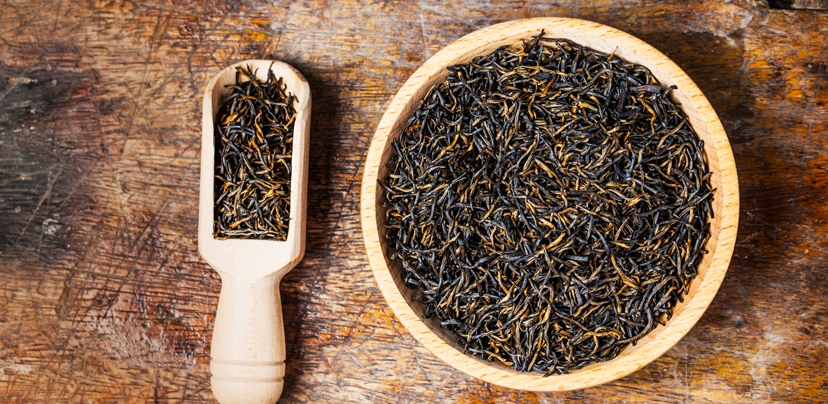
Black tea promotes weight loss

A group of researchers from the University of California – Los Angeles have demonstrated that black tea may be helpful in promoting weight loss by altering the bacteria found in your gut. Using mice models, the researchers were able to change the ratio of intestinal bacteria so that obesity associated bacteria were replaced with lean mass associated bacteria. Previous studies have highlighted polyphenols in green tea, which get absorbed and alter energy metabolism in the liver, this study has shown that black tea polyphenols, which are too large to be absorbed also stimulate growth in the gut bacteria.

During the study the mice were split into groups and fed varying diets and green and black tea extracts, samples were then collected from their intestines and livers (to measure fat deposits). In mice that had been given the black tea extract there was an increase in a bacteria called Pseduobutyrivibrio, which may explain the differences between the effects of green and black tea. The researchers are hoping to continue this body of work and further examine how we can alter our gut microbiome.
PREV
NEXT

Related Posts

November 16, 2017
Focus on teeth to keep children healthy
Read More
October 30, 2015
Mothers find it difficult to admit that their children are obese
Read More
Young guy sleeping in bed next to an alarm clock.
February 2, 2026
Dietary Melatonin Intake Linked to Lower Rates of Obesity and Depression
Read More
May 22, 2018
Effects of Physical Activity and Sedentary Behaviour on Brain Response to High‐Calorie Food Cues in Young Adults
Read More

CCH LINKS

FAQ
HOW TO APPLY
ACADEMIC ADVISORY BOARD
FACULTY AND STAFF
TERMS & CONDITIONS
CCH EDUCATION SERVICES

OUR PARTNERS

NOF
Haringey Obesity Alliance
Skills Active
CPD UK
ASO
REPS
Southwark
DIT
Healthcare Uk
OAC

ABOUT CCH

CONTACT US
[email protected]
+44 (0)20 3773 4895
Technopark, 90 London Road, LONDON, SE1 6LN
 

© The College of Contemporary Health