[email protected]

+44 (0)20 3773 4895

logologologo
  • About Us
    • The College
    • Advisory Board
    • Our Faculty and Team
    • Intelligence Hub
  • Topic Areas
    • Obesity Care
    • Digital Health
    • Behaviour Change
  • Courses
    • CPD Short Courses
    • PGCert in Obesity Care
    • PGCert in Digital Health
  • Apply
    • Postgraduate Qualification in Obesity Care
    • Postgraduate Qualification in Digital Health
    • FAQs
  • Resources
    • News
    • Our Publications
    • Monthly News Bulletins
    • Funding Options
  • Contact Us
    • Contact Us
  • Student Login

No products in the cart.

logologologo
  • About Us
    • The College
    • Advisory Board
    • Our Faculty and Team
    • Intelligence Hub
  • Topic Areas
    • Obesity Care
    • Digital Health
    • Behaviour Change
  • Courses
    • CPD Short Courses
    • PGCert in Obesity Care
    • PGCert in Digital Health
  • Apply
    • Postgraduate Qualification in Obesity Care
    • Postgraduate Qualification in Digital Health
    • FAQs
  • Resources
    • News
    • Our Publications
    • Monthly News Bulletins
    • Funding Options
  • Contact Us
    • Contact Us
  • Student Login

No products in the cart.

  • About Us
    • The College
    • Advisory Board
    • Our Faculty and Team
    • Intelligence Hub
  • Topic Areas
    • Obesity Care
    • Digital Health
    • Behaviour Change
  • Courses
    • CPD Short Courses
    • PGCert in Obesity Care
    • PGCert in Digital Health
  • Apply
    • Postgraduate Qualification in Obesity Care
    • Postgraduate Qualification in Digital Health
    • FAQs
  • Resources
    • News
    • Our Publications
    • Monthly News Bulletins
    • Funding Options
  • Contact Us
    • Contact Us
  • Student Login
August 30, 2017 by Nigel Hinchliffe Obesity Care 0 comments

Blood-thinning therapy may limit metabolic inflammation

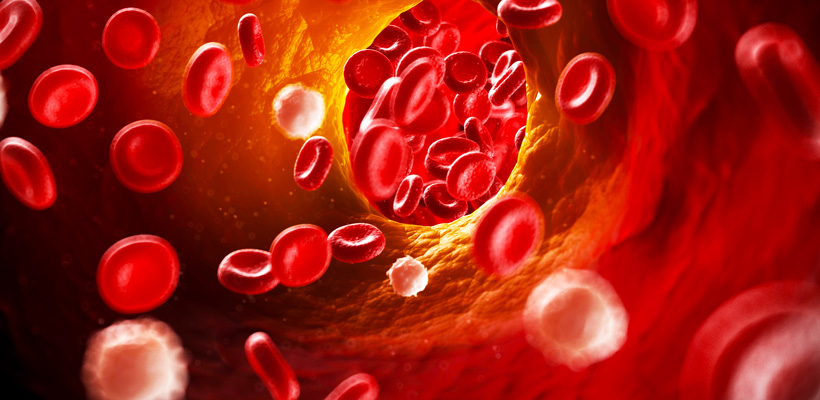
A study published in the Journal of Clinical Investigation has discovered a previously unknown link between obesity and inflammation. By testing genetically manipulated mouse tissue as well as human tissue from obese people, the researchers were able to identify that fibrinogen – a glycoprotein that features in clotting – binds to certain cells that fuel diet-induced obesity. Obesity promotes activation of the clotting system that leads to the conversion of fibrinogen to insoluble fibrin, this in turn leads to accumulation of white blood cells and inflammation. The researchers hope that by targeting fibrin or fibrinogen they may be able to limit the progression of obesity related disease.

By using a drug called dabigatran they were able to block the activity of the enzyme thrombin; this enzyme catalyses the conversion of fibrinogen to fibrin. In the mice this meant that they were protected from the onset of obesity related disease. In order to further prove their results, the scientists assessed the incidence of obesity related disease in genetically modified mice. These mice had a mutant form of fibrinogen and it was found that they were significantly protected from weight gain; they also had markedly less systemic inflammation. The researchers are hoping to continue their work in the future by assessing the effects of dabigatran on patients that are already taking it, whilst also examining the full effect of fibrin on inflammation and obesity.

PREV
NEXT

Related Posts

May 25, 2016
Self-regulation strategies can prevent weight gain in young adults
Read More
July 20, 2015
Generation X, Generation Y, Generation Inactive
Read More
Jeans and measuring tape on a blue background.
June 1, 2026
Year-Long Trial Finds Rapid Weight Loss Outperforms a Gradual Approach, Overturning a Long-Held Assumption
Read More
Woman with obesity sitting on a bed.
June 27, 2023
Study reveals obesity as a precursor to mental disorders across all ages
Read More

CCH LINKS

FAQ
HOW TO APPLY
ACADEMIC ADVISORY BOARD
FACULTY AND STAFF
TERMS & CONDITIONS
CCH EDUCATION SERVICES

OUR PARTNERS

NOF
Haringey Obesity Alliance
Skills Active
CPD UK
ASO
REPS
Southwark
DIT
Healthcare Uk
OAC

ABOUT CCH

CONTACT US
[email protected]
+44 (0)20 3773 4895
Technopark, 90 London Road, LONDON, SE1 6LN
 

© The College of Contemporary Health