[email protected]

+44 (0)20 3773 4895

logologologo
  • About Us
    • The College
    • Advisory Board
    • Our Faculty and Team
    • Intelligence Hub
  • Topic Areas
    • Obesity Care
    • Digital Health
    • Behaviour Change
  • Courses
    • CPD Short Courses
    • PGCert in Obesity Care
    • PGCert in Digital Health
  • Apply
    • Postgraduate Qualification in Obesity Care
    • PGCert/PGDip/MSc in Digital Health
    • FAQs
  • Resources
    • News
    • Our Publications
    • Monthly News Bulletins
    • Funding Options
  • Contact Us
    • Contact Us
  • Student Login

No products in the cart.

  • About Us
    • The College
    • Advisory Board
    • Our Faculty and Team
    • Intelligence Hub
  • Topic Areas
    • Obesity Care
    • Digital Health
    • Behaviour Change
  • Courses
    • CPD Short Courses
    • PGCert in Obesity Care
    • PGCert in Digital Health
  • Apply
    • Postgraduate Qualification in Obesity Care
    • PGCert/PGDip/MSc in Digital Health
    • FAQs
  • Resources
    • News
    • Our Publications
    • Monthly News Bulletins
    • Funding Options
  • Contact Us
    • Contact Us
  • Student Login
April 13, 2016 by Nigel Hinchliffe Obesity Care 0 comments

Can childhood antibiotic use lead to obesity?

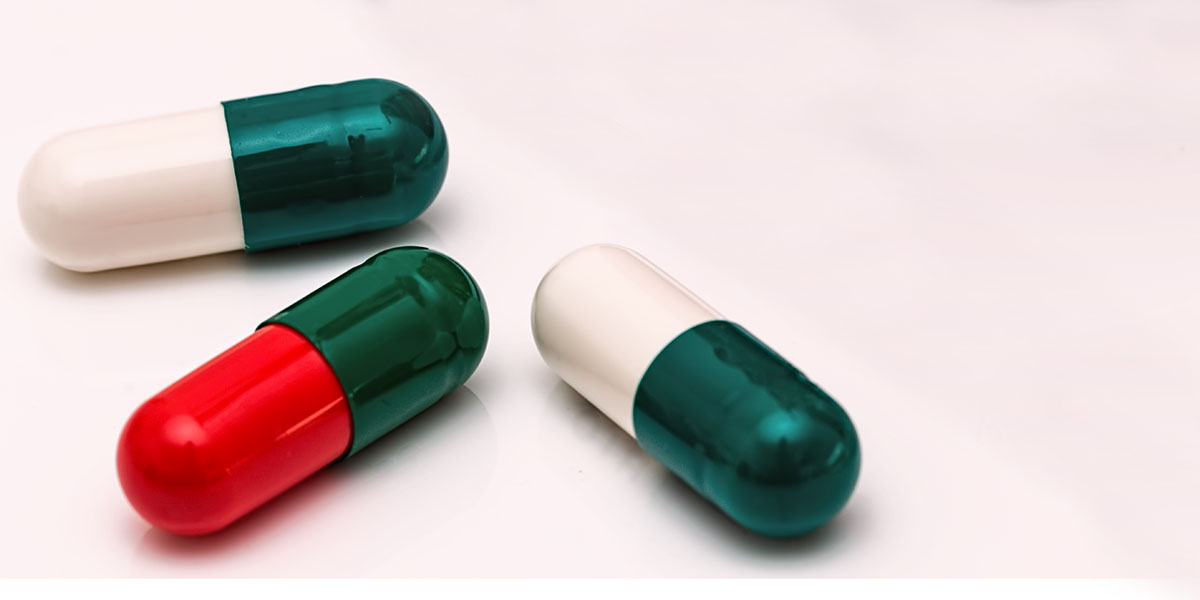
Early antibiotic use has been linked to a number of rare long-term health consequences, but a new study published in Gastroenterology has suggested that it can also lead to obesity. The study was performed in the UK and found that increased antibiotic exposure before the age of 2 can lead to a higher risk of being classed as obese by age 4. This was described with a 1.2% increased absolute risk and a 25% relative increase in risk of exposed children to non-exposed children. The risk was seen as strongest with repeated exposures, particularly with 3 or more courses of antibiotics.

Antibiotics have been used to promote weight gain in livestock for many years now, and this study has shown that similar results may be observed in humans. Over prescription of antibiotics is a common worldwide problem that has not only led to antibiotic resistance, but now may also increase the global burden of obesity. The researchers explained that antibiotics should still be used when necessary, but doctors and parents should think twice about prescribing unless they are clearly indicated. Further research is underway to explore if there is any relationship with adolescent weight and antibiotic use, also research is being conducted in the type of antibiotics used and if that has an effect on the amount of weight gained.


PREV
NEXT

Related Posts

Fresh avocados on wooden background.
August 3, 2026
One Avocado a Day May Lower a Hidden Heart Disease Risk in Adults Living With Obesity
Read More
Woman doing a fitness dance routine.
January 23, 2024
Losing weight through dance could beat conventional workouts
Read More
July 18, 2018
Dietary Fat, but Not Protein or Carbohydrate, Regulates Energy Intake and Causes Adiposity in Mice
Read More
Woman in an orange t-shirt holding food in one hand and an alarm clock in the other.
September 10, 2025
Fasting may influence metabolism and immunity differently depending on body type, study finds
Read More

CCH LINKS

FAQ
HOW TO APPLY
ACADEMIC ADVISORY BOARD
FACULTY AND STAFF
TERMS & CONDITIONS
CCH EDUCATION SERVICES

OUR PARTNERS

NOF
Haringey Obesity Alliance
Skills Active
CPD UK
ASO
REPS
Southwark
DIT
Healthcare Uk
OAC

ABOUT CCH

CONTACT US
[email protected]
+44 (0)20 3773 4895
Technopark, 90 London Road, LONDON, SE1 6LN
 

© The College of Contemporary Health