[email protected]

+44 (0)20 3773 4895

logologologo
  • About Us
    • The College
    • Advisory Board
    • Our Faculty and Team
    • Intelligence Hub
  • Topic Areas
    • Obesity Care
    • Digital Health
    • Behaviour Change
  • Courses
    • CPD Short Courses
    • PGCert in Obesity Care
    • PGCert in Digital Health
  • Apply
    • Postgraduate Qualification in Obesity Care
    • Postgraduate Qualification in Digital Health
    • FAQs
  • Resources
    • News
    • Our Publications
    • Monthly News Bulletins
    • Funding Options
  • Contact Us
    • Contact Us
  • Student Login

No products in the cart.

logologologo
  • About Us
    • The College
    • Advisory Board
    • Our Faculty and Team
    • Intelligence Hub
  • Topic Areas
    • Obesity Care
    • Digital Health
    • Behaviour Change
  • Courses
    • CPD Short Courses
    • PGCert in Obesity Care
    • PGCert in Digital Health
  • Apply
    • Postgraduate Qualification in Obesity Care
    • Postgraduate Qualification in Digital Health
    • FAQs
  • Resources
    • News
    • Our Publications
    • Monthly News Bulletins
    • Funding Options
  • Contact Us
    • Contact Us
  • Student Login

No products in the cart.

  • About Us
    • The College
    • Advisory Board
    • Our Faculty and Team
    • Intelligence Hub
  • Topic Areas
    • Obesity Care
    • Digital Health
    • Behaviour Change
  • Courses
    • CPD Short Courses
    • PGCert in Obesity Care
    • PGCert in Digital Health
  • Apply
    • Postgraduate Qualification in Obesity Care
    • Postgraduate Qualification in Digital Health
    • FAQs
  • Resources
    • News
    • Our Publications
    • Monthly News Bulletins
    • Funding Options
  • Contact Us
    • Contact Us
  • Student Login
May 24, 2017 by Nigel Hinchliffe Obesity Care 1 comment

Childhood obesity quadruples risk of developing Type 2 Diabetes

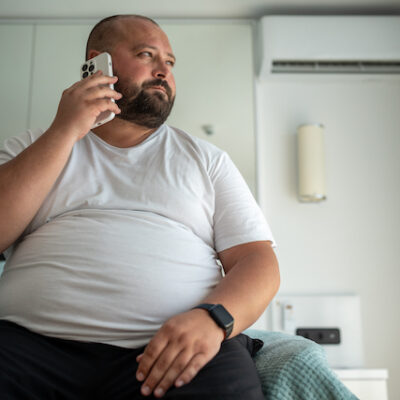
According to a large-scale study published in the Journal of the Endocrine Society a child with obesity faces a four-fold increased risk of developing type 2 diabetes by the time they are 25 than their normal weight counterparts. The study examined data from 375 GP practices around the UK, using the UK Clinical Practice Research Datalink. In total this amounted to 369,362 children between the ages of 2 and 15. Children and adolescents with obesity constituted nearly half of all diagnoses of Type 2 Diabetes between 1994 and 2013. As expected, there was no relationship between obesity and Type 1 diabetes, which is caused by an underlying autoimmune disorder.

Dr Ali Abbasi, lead author from King’s College London said, “given that diabetes and obesity are preventable from early life, our findings and other research will hopefully motivate the public and policymakers to invest and engage in diabetes prevention efforts.” Both obesity and type 2 diabetes are large scale health problems that often present together, hopefully this research will be taken into account by experts and policy makers in the future.


PREV
NEXT

Related Posts

Jeans and measuring tape on a blue background.
June 1, 2026
Year-Long Trial Finds Rapid Weight Loss Outperforms a Gradual Approach, Overturning a Long-Held Assumption
Read More
Air pollution enveloping a city.
July 9, 2026
Air Pollution May Raise Obesity Risk in Children by Affecting Impulse Control
Read More
February 14, 2018
Effect of 7 days of exercise on exogenous carbohydrate oxidation and insulin resistance in children with obesity
Read More
Doctor holding human model of a kidney.
August 20, 2024
Weight-loss surgery enhances kidney transplant eligibility in patients with chronic kidney disease and obesity
Read More

Comments (1)

  1. Dr. Sarah Laurence
    June 1, 2017

    Childhood obesity is a serious problem that needs to be addressed quickly. It’s not just up to health professionals and the public to take it on ourselves. We need our policy makers to make strong, deliberate and decisive decisions to significantly help in reducing the number of childhood obesity cases.

    I look forward to taking your Childhood Obesity Essentials short course next week, every health professional should have (needs) a strong working knowledge of the problem, and how best to address it, as there is no doubt health professionals will see many, many cases throughout their careers.

    -Dr. SL

CCH LINKS

FAQ
HOW TO APPLY
ACADEMIC ADVISORY BOARD
FACULTY AND STAFF
TERMS & CONDITIONS
CCH EDUCATION SERVICES

OUR PARTNERS

NOF
Haringey Obesity Alliance
Skills Active
CPD UK
ASO
REPS
Southwark
DIT
Healthcare Uk
OAC

ABOUT CCH

CONTACT US
[email protected]
+44 (0)20 3773 4895
Technopark, 90 London Road, LONDON, SE1 6LN
 

© The College of Contemporary Health