[email protected]

+44 (0)20 3773 4895

logologologo
  • About Us
    • The College
    • Advisory Board
    • Our Faculty and Team
    • Intelligence Hub
  • Topic Areas
    • Obesity Care
    • Digital Health
    • Behaviour Change
  • Courses
    • CPD Short Courses
    • PGCert in Obesity Care
    • PGCert in Digital Health
  • Apply
    • Postgraduate Qualification in Obesity Care
    • Postgraduate Qualification in Digital Health
    • FAQs
  • Resources
    • News
    • Our Publications
    • Monthly News Bulletins
    • Funding Options
  • Contact Us
    • Contact Us
  • Student Login

No products in the cart.

logologologo
  • About Us
    • The College
    • Advisory Board
    • Our Faculty and Team
    • Intelligence Hub
  • Topic Areas
    • Obesity Care
    • Digital Health
    • Behaviour Change
  • Courses
    • CPD Short Courses
    • PGCert in Obesity Care
    • PGCert in Digital Health
  • Apply
    • Postgraduate Qualification in Obesity Care
    • Postgraduate Qualification in Digital Health
    • FAQs
  • Resources
    • News
    • Our Publications
    • Monthly News Bulletins
    • Funding Options
  • Contact Us
    • Contact Us
  • Student Login

No products in the cart.

  • About Us
    • The College
    • Advisory Board
    • Our Faculty and Team
    • Intelligence Hub
  • Topic Areas
    • Obesity Care
    • Digital Health
    • Behaviour Change
  • Courses
    • CPD Short Courses
    • PGCert in Obesity Care
    • PGCert in Digital Health
  • Apply
    • Postgraduate Qualification in Obesity Care
    • Postgraduate Qualification in Digital Health
    • FAQs
  • Resources
    • News
    • Our Publications
    • Monthly News Bulletins
    • Funding Options
  • Contact Us
    • Contact Us
  • Student Login
November 23, 2016 by Nigel Hinchliffe Obesity Care 0 comments

Does brain volume predict successfulness at weight loss?

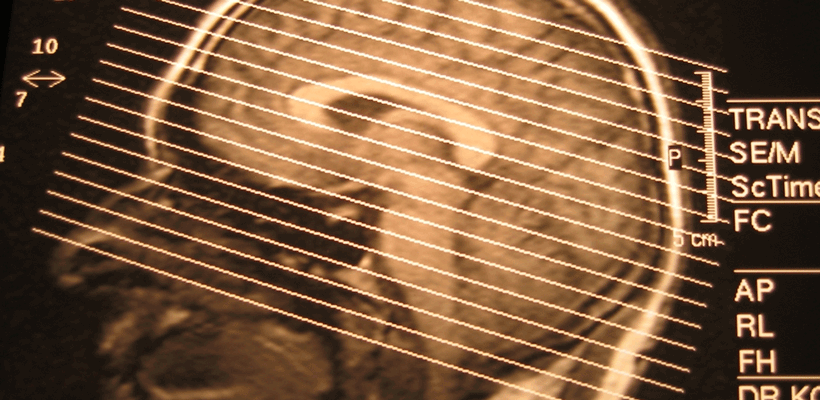
Scientists at the Wake Forest Baptist Medical Centre claim that they are able to predict an individual’s chances of success at weight loss with a simple brain scan and have published their findings in Obesity. The researchers used MRI scans to assess the amount of white and grey matter in the participants and were able to predict weight loss with 78% accuracy based on the brain volume. The study was performed with 52 people between the ages of 60 and 79, all participants were overweight or obese. They were scanned and then split into three separate groups, diet only, diet plus exercise, and diet plus resistance exercise. The scan results were then compared to their actual weight loss after 18 months.

The researchers hope to continue assessing people who want to lose weight, as those with a higher chance of losing weight may respond to less intensive treatments, whilst those with a lower chance may have to resort to more intensive routes. The study itself had a small sample size, therefore the researchers are hoping to perform follow-up studies with more people and to broaden the types of intervention used in order to improve the predictive nature of the scans.


PREV
NEXT

Related Posts

Fertilization concept, ovulation period, sperm and egg.
July 16, 2024
Examining the impact of excess weight on semen quality
Read More
Little girl playing in a field.
September 3, 2025
Obesity drives high rates of chronic disease in US adolescents and young adults
Read More
August 24, 2016
Sustained weight loss after gastric bypass surgery
Read More
Abstract image of nuerons in the brain.
September 23, 2024
Cellularsludge in hunger-regulating neurons linked to worsening diabetes and obesity
Read More

CCH LINKS

FAQ
HOW TO APPLY
ACADEMIC ADVISORY BOARD
FACULTY AND STAFF
TERMS & CONDITIONS
CCH EDUCATION SERVICES

OUR PARTNERS

NOF
Haringey Obesity Alliance
Skills Active
CPD UK
ASO
REPS
Southwark
DIT
Healthcare Uk
OAC

ABOUT CCH

CONTACT US
[email protected]
+44 (0)20 3773 4895
Technopark, 90 London Road, LONDON, SE1 6LN
 

© The College of Contemporary Health