[email protected]

+44 (0)20 3773 4895

logologologo
  • About Us
    • The College
    • Advisory Board
    • Our Faculty and Team
    • Intelligence Hub
  • Topic Areas
    • Obesity Care
    • Digital Health
    • Behaviour Change
  • Courses
    • CPD Short Courses
    • PGCert in Obesity Care
    • PGCert in Digital Health
  • Apply
    • Postgraduate Qualification in Obesity Care
    • Postgraduate Qualification in Digital Health
    • FAQs
  • Resources
    • News
    • Our Publications
    • Monthly News Bulletins
    • Funding Options
  • Contact Us
    • Contact Us
  • Student Login

No products in the cart.

logologologo
  • About Us
    • The College
    • Advisory Board
    • Our Faculty and Team
    • Intelligence Hub
  • Topic Areas
    • Obesity Care
    • Digital Health
    • Behaviour Change
  • Courses
    • CPD Short Courses
    • PGCert in Obesity Care
    • PGCert in Digital Health
  • Apply
    • Postgraduate Qualification in Obesity Care
    • Postgraduate Qualification in Digital Health
    • FAQs
  • Resources
    • News
    • Our Publications
    • Monthly News Bulletins
    • Funding Options
  • Contact Us
    • Contact Us
  • Student Login

No products in the cart.

  • About Us
    • The College
    • Advisory Board
    • Our Faculty and Team
    • Intelligence Hub
  • Topic Areas
    • Obesity Care
    • Digital Health
    • Behaviour Change
  • Courses
    • CPD Short Courses
    • PGCert in Obesity Care
    • PGCert in Digital Health
  • Apply
    • Postgraduate Qualification in Obesity Care
    • Postgraduate Qualification in Digital Health
    • FAQs
  • Resources
    • News
    • Our Publications
    • Monthly News Bulletins
    • Funding Options
  • Contact Us
    • Contact Us
  • Student Login
January 4, 2017 by Nigel Hinchliffe Obesity Care 0 comments

Does good-tasting food directly cause weight gain?

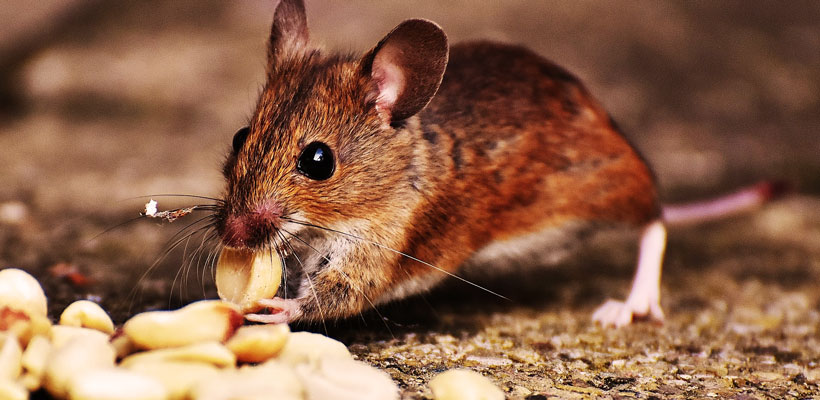
A new study from the Monell Center in Philadelphia has found that desirable food in and of itself does not lead to weight gain. The study used mouse models in order to research the effects of good tasting food on overeating. Previous studies have shown that mice will show an affinity for tasty human foods such as chocolate chip cookies and crisps. However, this study aimed to examine whether the taste of food actually drives overeating. The researchers designed a series of experiments that assessed what types of food the mice liked; they then placed different groups of mice on a variety of diets. They found that the mice that ate the sweet and oily foods were no heavier than those that ate the plain foods.

These results were repeated over a period of six weeks, however food choice and overeating are complex mechanisms, many factors come in to play and therefore these results must be understood as being part of a much larger area of research. The study authors are hopeful that the results show that it is possible to create foods that are both healthy and good-tasting; however this research must be furthered to get to that point.


PREV
NEXT

Related Posts

Abstract photo of protein under a microscope.
November 11, 2025
Scientists Discover Key Protein Triggering Inflammation Linked to Obesity and Type 2 Diabetes
Read More
Young woman going through cancer treatment.
May 11, 2026
Obesity Identified as Key Driver of Rising Cancer Rates in Younger Adults
Read More
May 22, 2018
Association between obesity with disease-free survival and overall survival in triple-negative breast cancer: A meta-analysis
Read More
Woman with overweight jogging.
October 22, 2024
Surge in endometrial cancer among younger women linked to rising obesity rates
Read More

CCH LINKS

FAQ
HOW TO APPLY
ACADEMIC ADVISORY BOARD
FACULTY AND STAFF
TERMS & CONDITIONS
CCH EDUCATION SERVICES

OUR PARTNERS

NOF
Haringey Obesity Alliance
Skills Active
CPD UK
ASO
REPS
Southwark
DIT
Healthcare Uk
OAC

ABOUT CCH

CONTACT US
[email protected]
+44 (0)20 3773 4895
Technopark, 90 London Road, LONDON, SE1 6LN
 

© The College of Contemporary Health