
[email protected]

+44 (0)20 3773 4895

logologologo
  • About Us
    • The College
    • Advisory Board
    • Our Faculty and Team
    • Intelligence Hub
  • Topic Areas
    • Obesity Care
    • Digital Health
    • Behaviour Change
  • Courses
    • CPD Short Courses
    • PGCert in Obesity Care
    • PGCert in Digital Health
  • Apply
    • Postgraduate Qualification in Obesity Care
    • Postgraduate Qualification in Digital Health
    • FAQs
  • Resources
    • News
    • Our Publications
    • Monthly News Bulletins
    • Funding Options
  • Contact Us
    • Contact Us
  • Student Login

No products in the cart.

logologologo
  • About Us
    • The College
    • Advisory Board
    • Our Faculty and Team
    • Intelligence Hub
  • Topic Areas
    • Obesity Care
    • Digital Health
    • Behaviour Change
  • Courses
    • CPD Short Courses
    • PGCert in Obesity Care
    • PGCert in Digital Health
  • Apply
    • Postgraduate Qualification in Obesity Care
    • Postgraduate Qualification in Digital Health
    • FAQs
  • Resources
    • News
    • Our Publications
    • Monthly News Bulletins
    • Funding Options
  • Contact Us
    • Contact Us
  • Student Login

No products in the cart.

  • About Us
    • The College
    • Advisory Board
    • Our Faculty and Team
    • Intelligence Hub
  • Topic Areas
    • Obesity Care
    • Digital Health
    • Behaviour Change
  • Courses
    • CPD Short Courses
    • PGCert in Obesity Care
    • PGCert in Digital Health
  • Apply
    • Postgraduate Qualification in Obesity Care
    • Postgraduate Qualification in Digital Health
    • FAQs
  • Resources
    • News
    • Our Publications
    • Monthly News Bulletins
    • Funding Options
  • Contact Us
    • Contact Us
  • Student Login
February 1, 2017 by Nigel Hinchliffe Obesity Care 0 comments

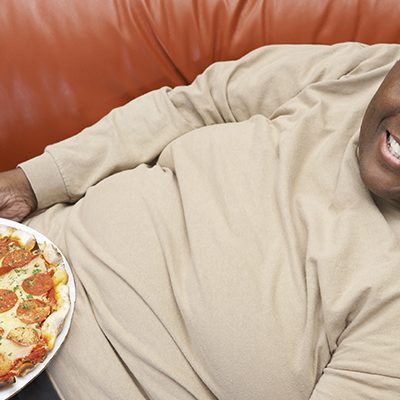
Does obesity affect your memory?

A new study from Indiana University has found that memory training has only a third of the benefit to older adults with obesity than it does to their normal weight counterparts. The researchers followed cognition over a period of 10 years and compared the trajectories of a sample of adults. They are unsure as to the specific mechanism of this, with one hypothesis being that obesity reduces the size of the hippocampus, so there is less capacity for new memories. Approximately 2,800 individuals with an average age of 74 took part in the study.

Whilst much research has been done to develop weight loss programs, this research highlights the importance of protecting memory function, especially with the growing age of the population and the ever increasing rate of obesity. Different types of memory training were used in the study, such as memory, reasoning and speed of processing, but the largest change was seen in the memory field.

PREV
NEXT

Related Posts

February 1, 2017
Blood tests can help predict surgery outcome
Read More
Sad and worried senior woman looking through window
November 15, 2023
Obesity triggers neurodegeneration by inducing brain insulin resistance
Read More
Two children sitting on a kerb.
July 20, 2015
Weight perceptions of English adolescents: cause for celebration or concern?
Read More
February 12, 2019
The lasting impact of where we live
Read More

CCH LINKS

FAQ
HOW TO APPLY
ACADEMIC ADVISORY BOARD
FACULTY AND STAFF
TERMS & CONDITIONS
CCH EDUCATION SERVICES

OUR PARTNERS

NOF
Haringey Obesity Alliance
Skills Active
CPD UK
ASO
REPS
Southwark
DIT
Healthcare Uk
OAC

ABOUT CCH

CONTACT US
[email protected]
+44 (0)20 3773 4895
Technopark, 90 London Road, LONDON, SE1 6LN
 

© The College of Contemporary Health