[email protected]

+44 (0)20 3773 4895

logologologo
  • About Us
    • The College
    • Advisory Board
    • Our Faculty and Team
    • Intelligence Hub
  • Topic Areas
    • Obesity Care
    • Digital Health
    • Behaviour Change
  • Courses
    • CPD Short Courses
    • PGCert in Obesity Care
    • PGCert in Digital Health
  • Apply
    • Postgraduate Qualification in Obesity Care
    • Postgraduate Qualification in Digital Health
    • FAQs
  • Resources
    • News
    • Our Publications
    • Monthly News Bulletins
    • Funding Options
  • Contact Us
    • Contact Us
  • Student Login

No products in the cart.

logologologo
  • About Us
    • The College
    • Advisory Board
    • Our Faculty and Team
    • Intelligence Hub
  • Topic Areas
    • Obesity Care
    • Digital Health
    • Behaviour Change
  • Courses
    • CPD Short Courses
    • PGCert in Obesity Care
    • PGCert in Digital Health
  • Apply
    • Postgraduate Qualification in Obesity Care
    • Postgraduate Qualification in Digital Health
    • FAQs
  • Resources
    • News
    • Our Publications
    • Monthly News Bulletins
    • Funding Options
  • Contact Us
    • Contact Us
  • Student Login

No products in the cart.

  • About Us
    • The College
    • Advisory Board
    • Our Faculty and Team
    • Intelligence Hub
  • Topic Areas
    • Obesity Care
    • Digital Health
    • Behaviour Change
  • Courses
    • CPD Short Courses
    • PGCert in Obesity Care
    • PGCert in Digital Health
  • Apply
    • Postgraduate Qualification in Obesity Care
    • Postgraduate Qualification in Digital Health
    • FAQs
  • Resources
    • News
    • Our Publications
    • Monthly News Bulletins
    • Funding Options
  • Contact Us
    • Contact Us
  • Student Login
October 15, 2015 by Nigel Hinchliffe Obesity Care 0 comments

Fat responds to nerves activation

A breakthrough study has shown how fat is innervated and how direct stimulation can lead to fat breakdown. This comes after collaborative research from Instituto Gulbenkian de Ciência in Portugal and the Rockefeller University in the USA. Almost 20 years ago the same team, at the Rockefeller Univesity, discovered leptin, the hormone that is released by fat cells, that tell the brain how much fat is in the body. Low levels increase appetite, whilst high levels increase fat breakdown. However, it was not known how the lipolytic effect of leptin was mediated.

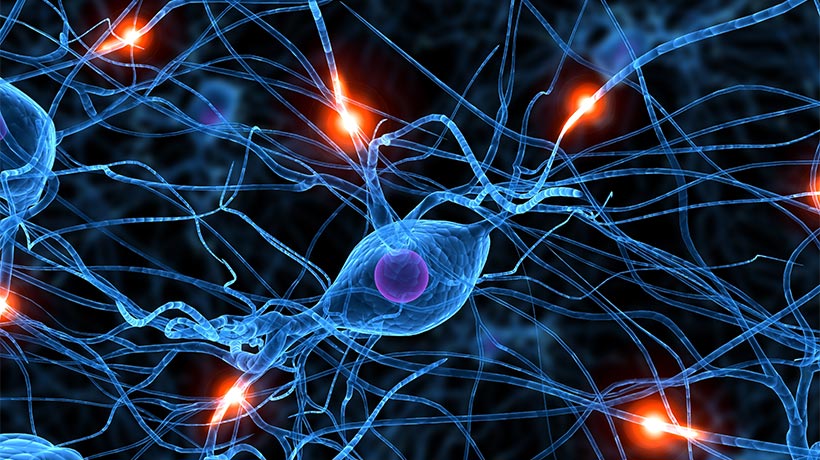
The researchers managed to dissect the nerve fibres from mice that innervated adipocytes and assess the functional relevance of these neurones. They observed obvious fat breakdown and fat mass reduction on activation of the sympathetic neurones. This study has not only clarified how leptin has its lipolytic effect but suggests new therapeutic strategies for overcoming the central leptin resistance seen in obesity.


Read more

PREV
NEXT

Related Posts

August 21, 2018
Association between an overall maternal healthy lifestyle and the risk of obesity in offspring
Read More
Boy eating at a Kitchen table.
April 8, 2026
Children with Obesity Face Elevated Long-Term Health Risks Even with Normal Test Results, Study Finds
Read More
April 26, 2017
Metabolic syndrome branded the new ‘silent killer’
Read More
December 9, 2015
High-fat diet can result in cognitive decline
Read More

CCH LINKS

FAQ
HOW TO APPLY
ACADEMIC ADVISORY BOARD
FACULTY AND STAFF
TERMS & CONDITIONS
CCH EDUCATION SERVICES

OUR PARTNERS

NOF
Haringey Obesity Alliance
Skills Active
CPD UK
ASO
REPS
Southwark
DIT
Healthcare Uk
OAC

ABOUT CCH

CONTACT US
[email protected]
+44 (0)20 3773 4895
Technopark, 90 London Road, LONDON, SE1 6LN
 

© The College of Contemporary Health