[email protected]

+44 (0)20 3773 4895

logologologo
  • About Us
    • The College
    • Advisory Board
    • Our Faculty and Team
    • Intelligence Hub
  • Topic Areas
    • Obesity Care
    • Digital Health
    • Behaviour Change
  • Courses
    • CPD Short Courses
    • PGCert in Obesity Care
    • PGCert in Digital Health
  • Apply
    • Postgraduate Qualification in Obesity Care
    • Postgraduate Qualification in Digital Health
    • FAQs
  • Resources
    • News
    • Our Publications
    • Monthly News Bulletins
    • Funding Options
  • Contact Us
    • Contact Us
  • Student Login

No products in the cart.

logologologo
  • About Us
    • The College
    • Advisory Board
    • Our Faculty and Team
    • Intelligence Hub
  • Topic Areas
    • Obesity Care
    • Digital Health
    • Behaviour Change
  • Courses
    • CPD Short Courses
    • PGCert in Obesity Care
    • PGCert in Digital Health
  • Apply
    • Postgraduate Qualification in Obesity Care
    • Postgraduate Qualification in Digital Health
    • FAQs
  • Resources
    • News
    • Our Publications
    • Monthly News Bulletins
    • Funding Options
  • Contact Us
    • Contact Us
  • Student Login

No products in the cart.

  • About Us
    • The College
    • Advisory Board
    • Our Faculty and Team
    • Intelligence Hub
  • Topic Areas
    • Obesity Care
    • Digital Health
    • Behaviour Change
  • Courses
    • CPD Short Courses
    • PGCert in Obesity Care
    • PGCert in Digital Health
  • Apply
    • Postgraduate Qualification in Obesity Care
    • Postgraduate Qualification in Digital Health
    • FAQs
  • Resources
    • News
    • Our Publications
    • Monthly News Bulletins
    • Funding Options
  • Contact Us
    • Contact Us
  • Student Login
January 30, 2018 by Nigel Hinchliffe Obesity Care 0 comments

Harmful effects of overweight are underestimated

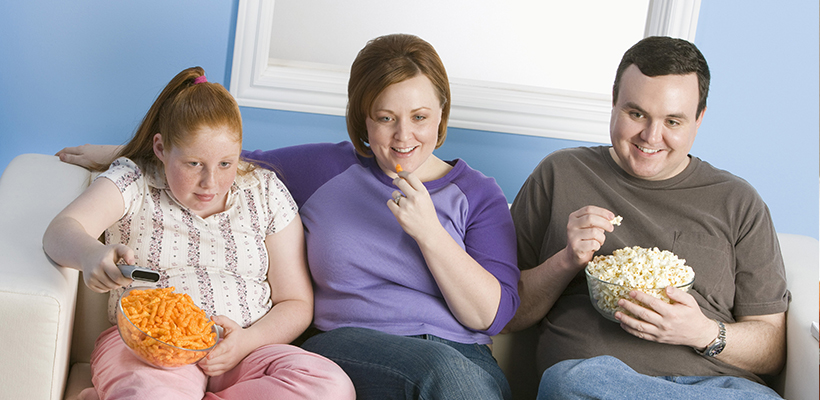
A study from the University of Bristol has found that the harmful effects of overweight and obesity are being underestimated. The study, which contained data from around 60,000 parents and their children, analysed how obesity and BMI influences the risk of death. Previous studies have suggested the optimal BMI, at which the risk of death is minimised, is slightly above the recommended ‘normal’ range, meaning that it is good for you to be slightly overweight. However some disease courses can lead to you having a lower BMI but a higher risk of death, this makes it highly difficult to estimate how BMI actually influences risk of death.

The researchers used parent and child combinations as BMI is related due to genetic factors, however the BMI of ‘adult’ children is not influenced by illness amongst the parents, therefore using the offspring BMI avoids the problems inherent with simply relating the parent BMI to their risk of death. They found that when offspring BMI was used instead of the parent’s own BMI, the apparent harmful effects of low BMI were reduced, and the harmful effects of high BMI were greater than those found in the conventional analyses. These results therefore suggest that current studies may tend to underestimate the harmful effects of a higher BMI. The authors are therefore calling for more robust approaches for identifying causal relationships influencing health, especially the relationship of BMI to overall health.

PREV
NEXT

Related Posts

September 29, 2016
Lasting mental effects of discrimination in adolescents
Read More
January 30, 2018
Obesity not quite associated with improved survival
Read More
Alarm clock and plate with cutlery. Concept of intermittent fasting, lunchtime, diet and weight loss
January 10, 2024
Fasting regimen proves effective against obesity-induced cognitive decline
Read More
Close-up of a sliced open red pomegranate.
November 29, 2023
Pomegranate proves potent in metabolic health management
Read More

CCH LINKS

FAQ
HOW TO APPLY
ACADEMIC ADVISORY BOARD
FACULTY AND STAFF
TERMS & CONDITIONS
CCH EDUCATION SERVICES

OUR PARTNERS

NOF
Haringey Obesity Alliance
Skills Active
CPD UK
ASO
REPS
Southwark
DIT
Healthcare Uk
OAC

ABOUT CCH

CONTACT US
[email protected]
+44 (0)20 3773 4895
Technopark, 90 London Road, LONDON, SE1 6LN
 

© The College of Contemporary Health