[email protected]

+44 (0)20 3773 4895

logologologo
  • About Us
    • The College
    • Advisory Board
    • Our Faculty and Team
    • Intelligence Hub
  • Topic Areas
    • Obesity Care
    • Digital Health
    • Behaviour Change
  • Courses
    • CPD Short Courses
    • PGCert in Obesity Care
    • PGCert in Digital Health
  • Apply
    • Postgraduate Qualification in Obesity Care
    • Postgraduate Qualification in Digital Health
    • FAQs
  • Resources
    • News
    • Our Publications
    • Monthly News Bulletins
    • Funding Options
  • Contact Us
    • Contact Us
  • Student Login

No products in the cart.

logologologo
  • About Us
    • The College
    • Advisory Board
    • Our Faculty and Team
    • Intelligence Hub
  • Topic Areas
    • Obesity Care
    • Digital Health
    • Behaviour Change
  • Courses
    • CPD Short Courses
    • PGCert in Obesity Care
    • PGCert in Digital Health
  • Apply
    • Postgraduate Qualification in Obesity Care
    • Postgraduate Qualification in Digital Health
    • FAQs
  • Resources
    • News
    • Our Publications
    • Monthly News Bulletins
    • Funding Options
  • Contact Us
    • Contact Us
  • Student Login

No products in the cart.

  • About Us
    • The College
    • Advisory Board
    • Our Faculty and Team
    • Intelligence Hub
  • Topic Areas
    • Obesity Care
    • Digital Health
    • Behaviour Change
  • Courses
    • CPD Short Courses
    • PGCert in Obesity Care
    • PGCert in Digital Health
  • Apply
    • Postgraduate Qualification in Obesity Care
    • Postgraduate Qualification in Digital Health
    • FAQs
  • Resources
    • News
    • Our Publications
    • Monthly News Bulletins
    • Funding Options
  • Contact Us
    • Contact Us
  • Student Login
May 11, 2016 by Nigel Hinchliffe Obesity Care 0 comments

High-fructose diet during pregnancy can have lasting effect on children

Researchers from the University of Texas Medical Branch have shown that an increased consumption of fructose in a mouse model during pregnancy increases the risk of offspring developing obesity and heart disease. High-fructose corn syrup is used to sweeten food and beverages, and some reports suggest that refined sugars account for more than half of all sweeteners used in the US food supply chain. The authors compared the phenotype of the offspring of mice who were on a high-fructose diet during pregnancy to those on a normal diet.

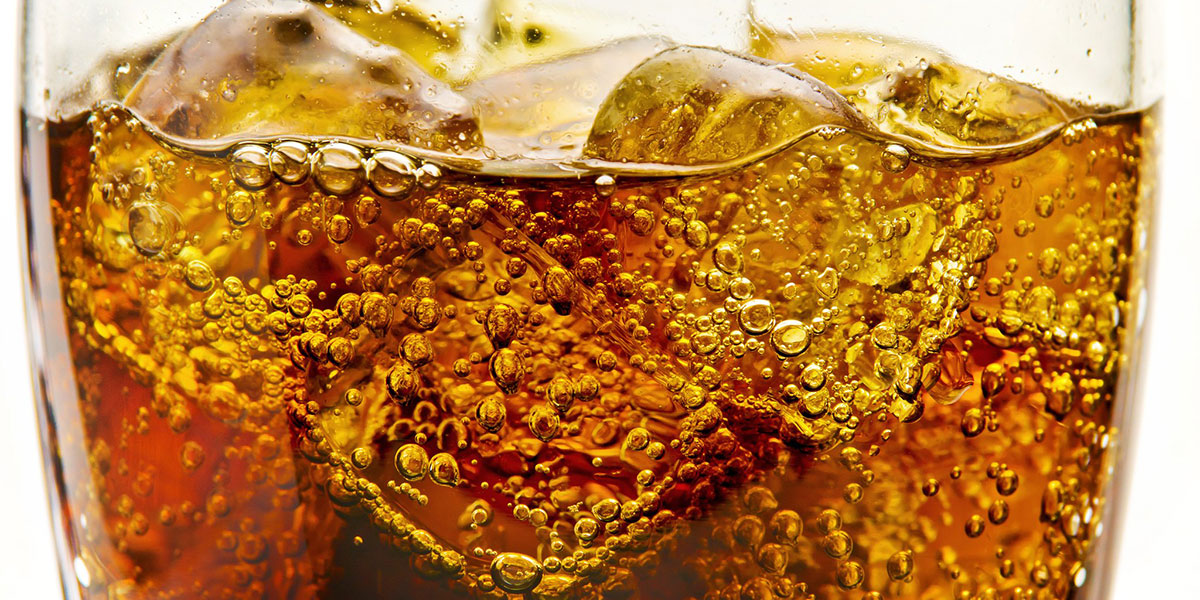
The high fructose diet  was designed to mimic a diet that contained high amounts of sugary soft drinks. The research team were especially interested in the amount of abdominal fat tissue and fat around the liver, which they measured using computed tomography. They found that both female and male offspring of the high fructose diet mice were fatter, had higher glucose levels and higher blood pressure compared to the control offspring. The authors are hoping to expand their research which could have large implications as a very high proportion of the world’s processed food uses fructose and fructose based syrups as sweeteners.
PREV
NEXT

Related Posts

Boy with obesity eating a burger.
July 5, 2016
Overweight adolescents have increased risk of liver disease
Read More
Woman with overweight jogging.
October 22, 2024
Surge in endometrial cancer among younger women linked to rising obesity rates
Read More
A tray of processed foods.
August 5, 2025
Landmark UK study finds ultra-processed foods may undermine the benefits of healthy eating
Read More
Young girl stands against a wall having her height measured.
March 14, 2025
Waist-to-height ratio identified as a more precise indicator of childhood obesity than BMI, study finds
Read More

CCH LINKS

FAQ
HOW TO APPLY
ACADEMIC ADVISORY BOARD
FACULTY AND STAFF
TERMS & CONDITIONS
CCH EDUCATION SERVICES

OUR PARTNERS

NOF
Haringey Obesity Alliance
Skills Active
CPD UK
ASO
REPS
Southwark
DIT
Healthcare Uk
OAC

ABOUT CCH

CONTACT US
[email protected]
+44 (0)20 3773 4895
Technopark, 90 London Road, LONDON, SE1 6LN
 

© The College of Contemporary Health