[email protected]

+44 (0)20 3773 4895

logologologo
  • About Us
    • The College
    • Advisory Board
    • Our Faculty and Team
    • Intelligence Hub
  • Topic Areas
    • Obesity Care
    • Digital Health
    • Behaviour Change
  • Courses
    • CPD Short Courses
    • PGCert in Obesity Care
    • PGCert in Digital Health
  • Apply
    • Postgraduate Qualification in Obesity Care
    • Postgraduate Qualification in Digital Health
    • FAQs
  • Resources
    • News
    • Our Publications
    • Monthly News Bulletins
    • Funding Options
  • Contact Us
    • Contact Us
  • Student Login

No products in the cart.

logologologo
  • About Us
    • The College
    • Advisory Board
    • Our Faculty and Team
    • Intelligence Hub
  • Topic Areas
    • Obesity Care
    • Digital Health
    • Behaviour Change
  • Courses
    • CPD Short Courses
    • PGCert in Obesity Care
    • PGCert in Digital Health
  • Apply
    • Postgraduate Qualification in Obesity Care
    • Postgraduate Qualification in Digital Health
    • FAQs
  • Resources
    • News
    • Our Publications
    • Monthly News Bulletins
    • Funding Options
  • Contact Us
    • Contact Us
  • Student Login

No products in the cart.

  • About Us
    • The College
    • Advisory Board
    • Our Faculty and Team
    • Intelligence Hub
  • Topic Areas
    • Obesity Care
    • Digital Health
    • Behaviour Change
  • Courses
    • CPD Short Courses
    • PGCert in Obesity Care
    • PGCert in Digital Health
  • Apply
    • Postgraduate Qualification in Obesity Care
    • Postgraduate Qualification in Digital Health
    • FAQs
  • Resources
    • News
    • Our Publications
    • Monthly News Bulletins
    • Funding Options
  • Contact Us
    • Contact Us
  • Student Login
November 9, 2016 by Nigel Hinchliffe Obesity Care 0 comments

Hormone involved in maturation of fat cells discovered

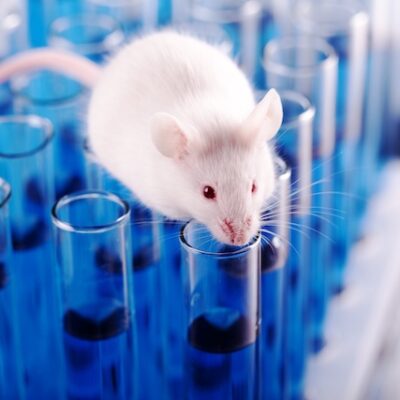
Researchers at Stanford University have identified a hormone that is involved with the maturation of fat cells. These findings help us understand why some stem cells differentiate into fat cells. The hormone itself is called Adamts1. It is produced by mature fat cells and is the switch for stem cells to begin the process of turning into fat cells; high-fat diets and glucocorticoid medications increase the production of Adamts1. The researchers firstly identified Adamts1 and then conducted experiments in both mice and humans. It was found that when mice and humans were fed a high fat diet, most of the increase in fat was seen in the visceral tissue, where there was a decreased amount of Adamts1.

The study’s findings suggest that there are many other hormones involved with the production and differentiation of fat cells, furthermore the researchers believe that stress must play an important role in this process. It remains to be seen whether Adamts1 could be used as a target for obesity medication, and more research must be undertaken in order to fully understand its role within the body


PREV
NEXT

Related Posts

Rye in a field
February 23, 2022
Can rye help reduce weight and obesity?
Read More
May 24, 2017
Routine and regular bedtimes may help stave off obesity
Read More
June 19, 2018
Analysis of Cardiometabolic Outcomes Associated with Self-Perceived Obesity in Korean Adults
Read More
December 29, 2015
Increased risk for poorer children
Read More

CCH LINKS

FAQ
HOW TO APPLY
ACADEMIC ADVISORY BOARD
FACULTY AND STAFF
TERMS & CONDITIONS
CCH EDUCATION SERVICES

OUR PARTNERS

NOF
Haringey Obesity Alliance
Skills Active
CPD UK
ASO
REPS
Southwark
DIT
Healthcare Uk
OAC

ABOUT CCH

CONTACT US
[email protected]
+44 (0)20 3773 4895
Technopark, 90 London Road, LONDON, SE1 6LN
 

© The College of Contemporary Health