[email protected]

+44 (0)20 3773 4895

logologologo
  • About Us
    • The College
    • Advisory Board
    • Our Faculty and Team
    • Intelligence Hub
  • Topic Areas
    • Obesity Care
    • Digital Health
    • Behaviour Change
  • Courses
    • CPD Short Courses
    • PGCert in Obesity Care
    • PGCert in Digital Health
  • Apply
    • Postgraduate Qualification in Obesity Care
    • Postgraduate Qualification in Digital Health
    • FAQs
  • Resources
    • News
    • Our Publications
    • Monthly News Bulletins
    • Funding Options
  • Contact Us
    • Contact Us
  • Student Login

No products in the cart.

logologologo
  • About Us
    • The College
    • Advisory Board
    • Our Faculty and Team
    • Intelligence Hub
  • Topic Areas
    • Obesity Care
    • Digital Health
    • Behaviour Change
  • Courses
    • CPD Short Courses
    • PGCert in Obesity Care
    • PGCert in Digital Health
  • Apply
    • Postgraduate Qualification in Obesity Care
    • Postgraduate Qualification in Digital Health
    • FAQs
  • Resources
    • News
    • Our Publications
    • Monthly News Bulletins
    • Funding Options
  • Contact Us
    • Contact Us
  • Student Login

No products in the cart.

  • About Us
    • The College
    • Advisory Board
    • Our Faculty and Team
    • Intelligence Hub
  • Topic Areas
    • Obesity Care
    • Digital Health
    • Behaviour Change
  • Courses
    • CPD Short Courses
    • PGCert in Obesity Care
    • PGCert in Digital Health
  • Apply
    • Postgraduate Qualification in Obesity Care
    • Postgraduate Qualification in Digital Health
    • FAQs
  • Resources
    • News
    • Our Publications
    • Monthly News Bulletins
    • Funding Options
  • Contact Us
    • Contact Us
  • Student Login
October 18, 2015 by Nigel Hinchliffe Obesity Care 0 comments

How obesity can affect stillbirth

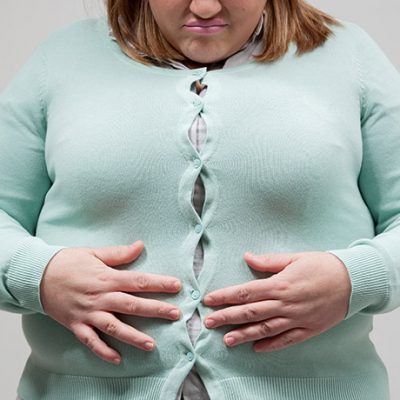
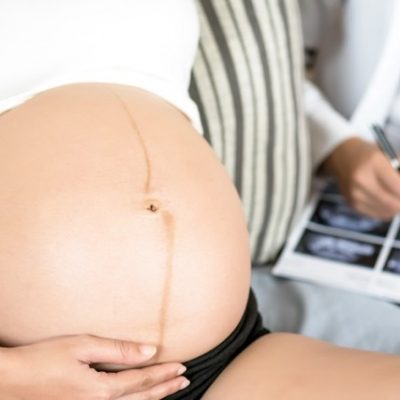
Obese pregnant women are twice as likely to have stillbirths than their normal weight counterparts. Researchers at the University of Pittsburgh Graduate School of Public Health analysed data from 658 stillbirths (defined as reaching 16 weeks gestation and showing no evidence of life after delivery), mothers were described as lean, overweight, obese or severely obese. The rate of stillbirths per 1,000 was 7.7 for lean women, and 17.3 for severely obese women.

Lead author, Dr Lisa Bodnar, said, “We’ve known for some time that obese women are more likely to have stillbirths, but this is one of the first and most comprehensive efforts to figure out why”. Due to the study’s design it was difficult to prove cause and effect relationships, it was only possible to prove association. The most common causes of stillbirth amongst the obese population are placental diseases and hypertension. Foetal abnormalities, meaning the child would be unlikely to survive post-partum, and umbilical cord abnormalities were also highlighted as common causes. The results from this study show that obstetricians need to monitor the weight of pregnant and pre-pregnant women in order to avoid some, potentially tragic, complications.

Read more

PREV
NEXT

Related Posts

November 9, 2016
GPs should not be afraid to recommend weight loss programmes
Read More
Mother and baby eating together.
December 15, 2025
Maternal Obesity Linked to Early Changes in Infant Gut Microbiome, Study Suggests
Read More
Man on the phone on his bed.
May 14, 2024
Workers with obesity are twice as likely to take long-term sick leave
Read More
Boy with a measuring tape.
January 6, 2025
Childhood obesity linked to premature puberty in boys
Read More

CCH LINKS

FAQ
HOW TO APPLY
ACADEMIC ADVISORY BOARD
FACULTY AND STAFF
TERMS & CONDITIONS
CCH EDUCATION SERVICES

OUR PARTNERS

NOF
Haringey Obesity Alliance
Skills Active
CPD UK
ASO
REPS
Southwark
DIT
Healthcare Uk
OAC

ABOUT CCH

CONTACT US
[email protected]
+44 (0)20 3773 4895
Technopark, 90 London Road, LONDON, SE1 6LN
 

© The College of Contemporary Health